


Forensic & Criminological Matrix
| Parameter | Forensic Detail |
|---|---|
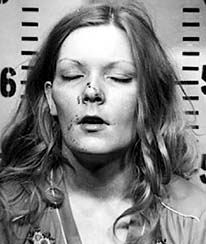
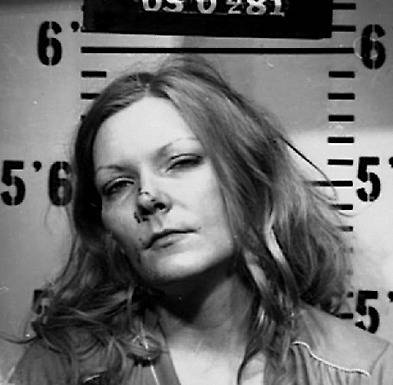
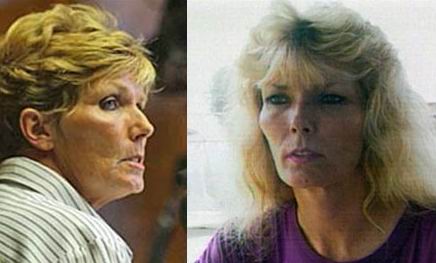
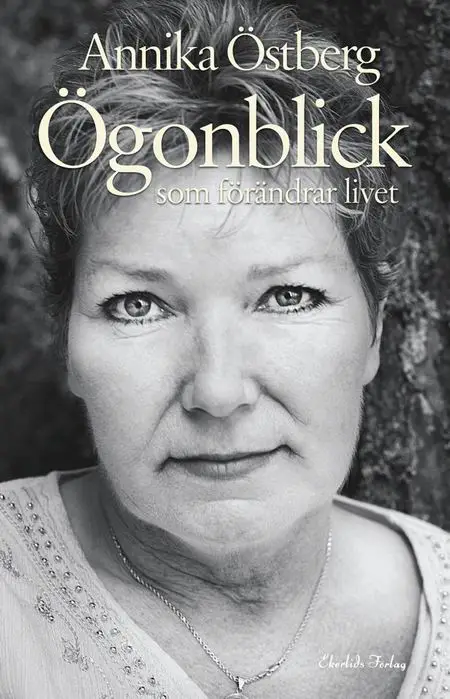
| Forensic Heading / Aliases | Annika Östberg |
| Legal Identity | Annika Maria Östberg Deasy |
| Confirmed Victims | 2 (a restaurant owner and a police officer) |
| Active Timeline | 1981 |
| Jurisdiction / Area of Operations | California, United States |
| Criminological Classification | Instrumental homicide during felony / Felony murder accomplice |
| Forensic Modus Operandi | Participation in armed robberies with lethal force employed during flight to avoid apprehension |
| Weapon / Mechanism of Death | Firearms / Ballistic trauma |
| Motive / Behavioral Dynamics | Financial gain and escape from law enforcement |
| Judicial Outcome | Life imprisonment in 1981; transferred to Sweden in 2009 and paroled in 2011 |
1. Background and Profile
Annika Maria Östberg was born in Sweden in 1954. After a troubled youth and migration to the United States, she became entangled in criminal networks and substance abuse in California. Her criminological profile reflects an accomplice driven by desperation and association with recidivist offenders, ultimately leading to fatal acts of violence.
2. Crime Spree and Modus Operandi
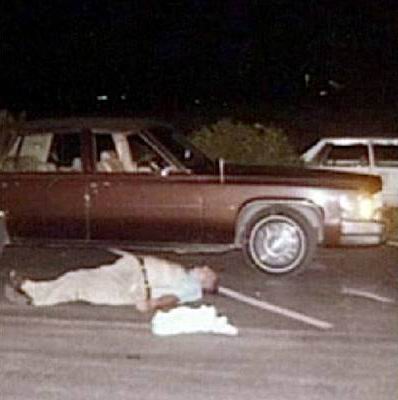
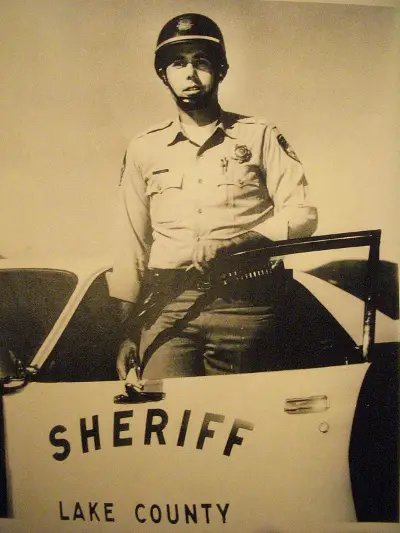
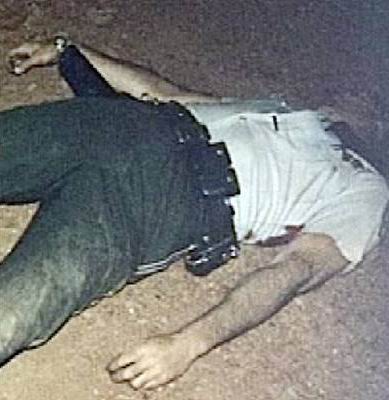
In 1981, Östberg participated in a series of armed robberies in California. The group's modus operandi relied on sudden armed incursions into commercial establishments. During a restaurant robbery, resistance from the owner and the subsequent arrival of law enforcement triggered a violent escalation, resulting in the fatal shooting of both the restaurant owner and a responding police officer. Under California's felony murder rule, Östberg was held criminally liable for all resulting deaths.
3. Police Investigation and Forensic Hunt
The murder of a police officer prompted an intensive manhunt and forensic investigation by Californian authorities. Ballistics, forensic evidence, and eyewitness testimonies quickly linked Östberg to the crimes, leading to the identification and apprehension of the perpetrators.
4. Legal Proceedings and Outcome
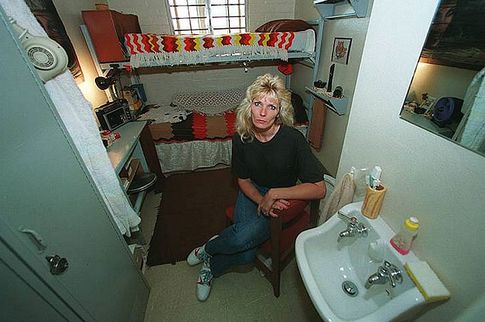
Tried and convicted in 1981 under stringent state statutes regarding felony murder, Östberg received a sentence of life imprisonment. She spent nearly three decades incarcerated within the California prison system, becoming a model inmate over time.
5. Psychiatric Evaluation and Final Resolution
Following 27 years of imprisonment, diplomatic efforts facilitated her transfer to Sweden in April 2009, where she was housed at the Hinseberg women's prison. Having demonstrated profound rehabilitation and remorse, Östberg was granted full release in May 2011, concluding a unique cross-border penal case.