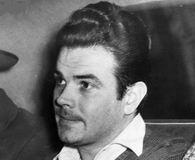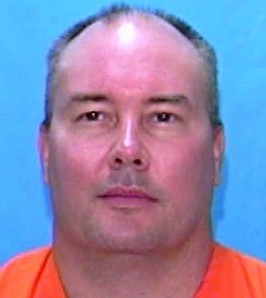
Forensic & Criminological Matrix
| Parameter | Forensic Detail |
|---|---|
| Forensic Heading / Aliases | None |
| Legal Identity | Donald David Dillbeck |
| Confirmed Victims | 2 |
| Attributed / Indicted Victims | 2 |
| Active Timeline | 1979 - 1990 |
| Jurisdiction / Area of Operations | Florida, United States |
| Criminological Classification | Multiple murderer / Fugitive |
| Forensic Modus Operandi | Use of edged weapons and firearms in robberies and carjackings |
| Weapon / Mechanism of Death | Paring knife and firearm |
| Motive / Behavioral Dynamics | Criminal opportunism and evasion |
| Judicial Outcome | Executed by lethal injection on February 23, 2023 |
1. Background and Profile
Donald David Dillbeck was born on May 24, 1963. His criminal career began early, leading to his first homicide in 1979 when he shot and killed a deputy sheriff in Fort Myers Beach while resisting arrest. He was sentenced to life imprisonment, but his history was defined by multiple escapes from custody.
2. Crime Spree
In June 1990, while serving his life sentence, Dillbeck escaped from a catering function in Quincy, Florida. He traveled to Tallahassee, where he purchased a paring knife. On June 24, 1990, he approached Faye Vann in the Tallahassee Mall parking lot, attempting to carjack her. When Vann resisted, Dillbeck stabbed her multiple times in the throat and abdomen, resulting in her death.
3. Investigation and Arrest
Following the murder, Dillbeck attempted to flee in the victim's vehicle but crashed shortly thereafter. He was apprehended by local law enforcement, who secured evidence linking him directly to the crime scene.
4. Legal Proceedings and Outcome
On March 15, 1991, Dillbeck was convicted of first-degree murder, armed robbery, and armed burglary. Judge F.E. Steinmeyer III sentenced him to death. He spent over three decades on Death Row at the Union Correctional Institution.
5. Forensic Conclusion
After exhausting all legal appeals, Donald Dillbeck was executed by the state of Florida on February 23, 2023, via lethal injection. His case remains a significant study in the failure of correctional security and the potential for recidivism in violent offenders.