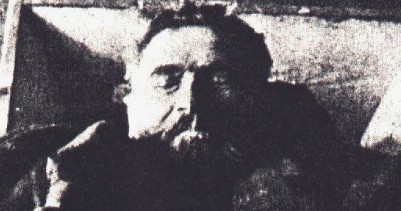




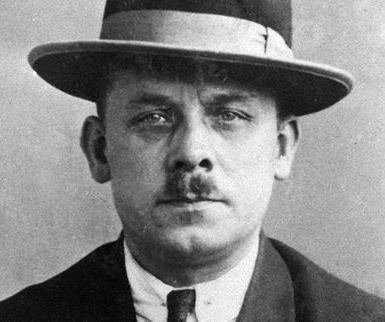
Forensic & Criminological Matrix
| Parameter | Forensic Detail |
|---|---|
| Forensic Heading / Aliases | The Cannibal of Münsterberg, Father Denke |
| Legal Identity | Karl Denke |
| Confirmed Victims | 20 |
| Attributed / Indicted Victims | 40 |
| Active Timeline | 1903 - 1924 |
| Jurisdiction / Area of Operations | Münsterberg (now Ziębice, Poland) |
| Criminological Classification | Serial Killer, Cannibal |
| Forensic Modus Operandi | Luring vulnerable victims, blunt force trauma, dismemberment, and processing of remains |
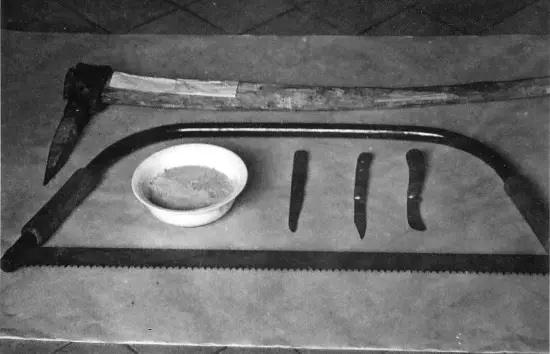
| Weapon / Mechanism of Death | Axe and butchery tools |
| Motive / Behavioral Dynamics | Cannibalism and fetishism of human remains |
| Judicial Outcome | Suicide in police custody prior to trial |
1. Background and Profile
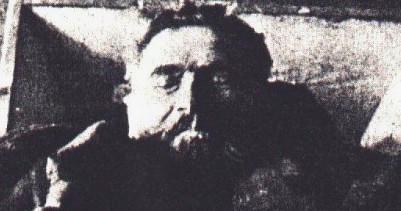
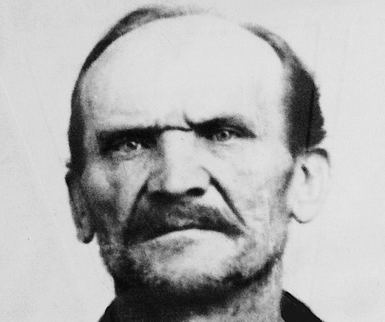
Born on August 12, 1870, in Oberkunzendorf, Silesia, Karl Denke was the son of a wealthy farmer. His early life was characterized by poor academic performance and a history of running away from home. After inheriting money from his father, he attempted farming but failed, eventually settling in Münsterberg. He maintained a facade of a pious, sober, and charitable citizen, even serving as an organ blower at the local church.
2. Criminal Career and Modus Operandi
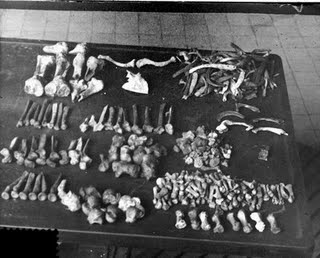
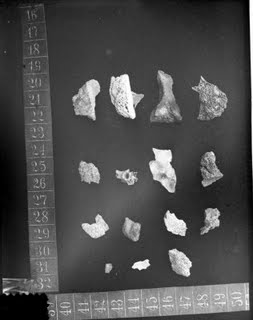
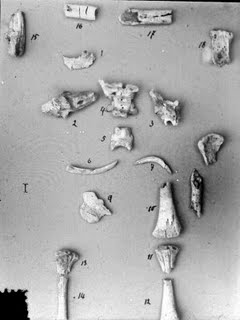
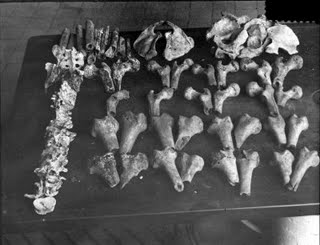
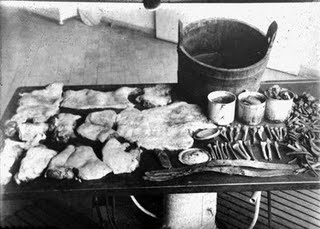
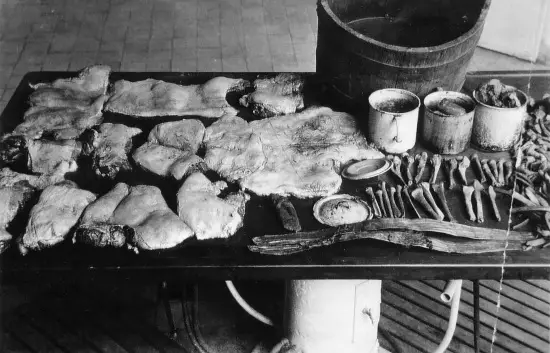
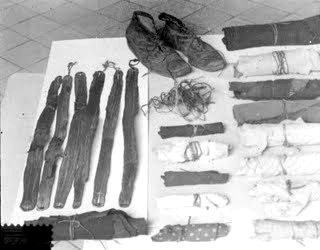
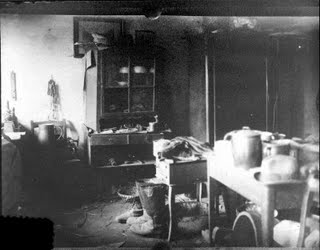
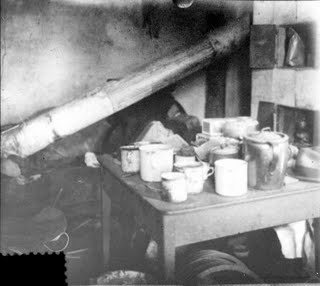
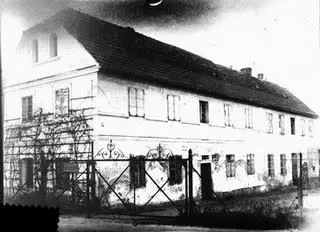
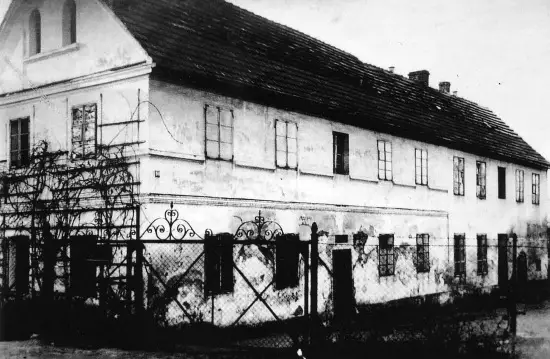
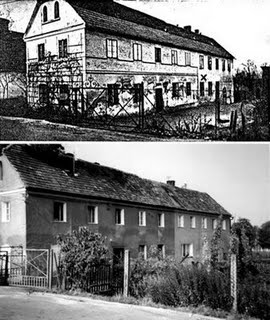
Denke operated from his residence on Stawowa Street. Leveraging his reputation as a benefactor, he provided shelter to homeless travelers. Once inside, he murdered them with an axe. Forensic evidence later confirmed that Denke not only consumed his victims' flesh but also processed their remains into leather goods—such as belts and shoelaces—which he sold at markets in Breslau, passing the human meat off as pork.
3. Investigation and Arrest
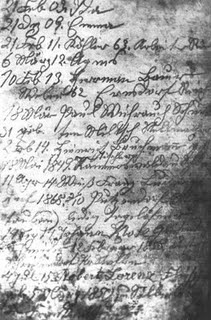
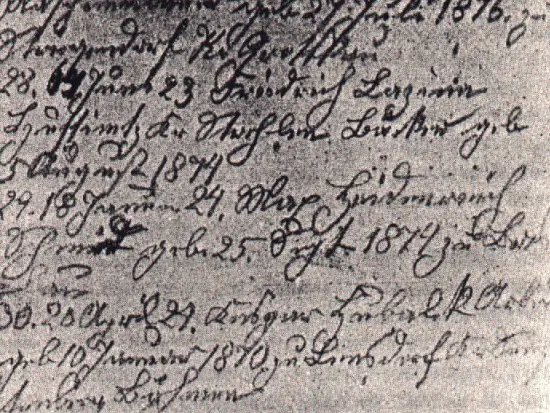
The case came to light on December 21, 1924, when a vagrant named Vincenz Olivier escaped Denke's apartment after being attacked with an axe. Police initially doubted the claims against such a 'respectable' citizen, but a search of his home revealed jars of pickled human flesh and a ledger documenting at least 40 victims.
4. Legal Proceedings and Outcome
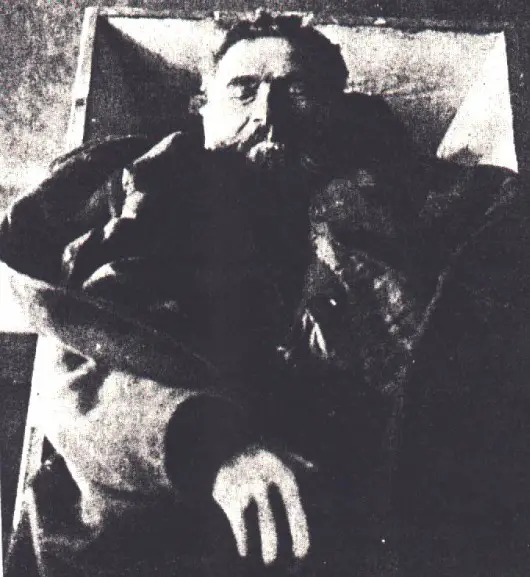
Denke was arrested following Olivier's report. However, he never faced trial. On the night of December 21, 1924, while held in a police cell, Denke committed suicide by hanging himself with a handkerchief, effectively ending the judicial process.
5. Psychological Assessment and Conclusion
While no formal psychiatric evaluation was conducted in court, Denke's actions indicate severe psychopathy, necrophilic fetishism, and organized cannibalism. His case remains one of the most gruesome chapters in Silesian criminal history.