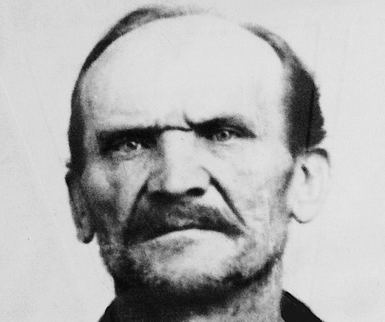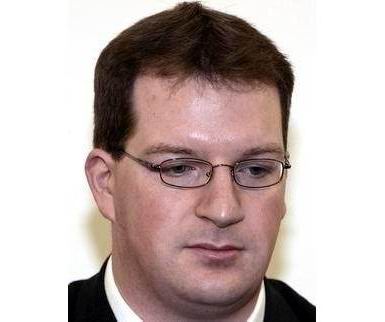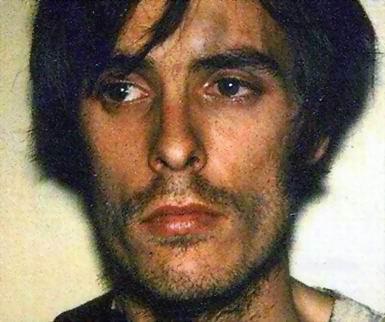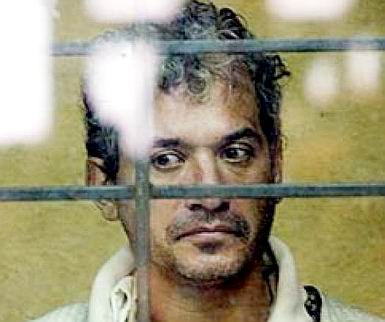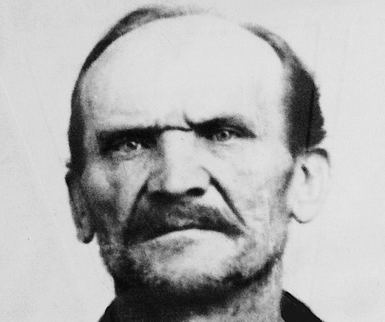




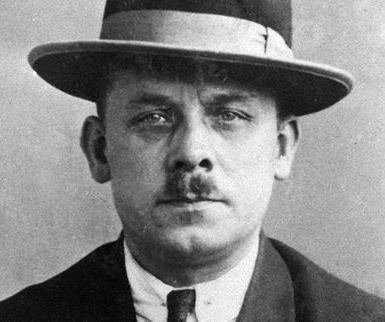
Forensic Profile Datasheet: Georg Karl Großmann ("The Butcher of Berlin")
| Forensic Parameter | Evaluation Details |
|---|---|
| Full Legal Name | Carl Wilhelm Großmann |
| Criminological Landmark | The Butcher of Berlin (Der Schlächter von Berlin, Weimar Germany) |
| Date & Place of Birth | December 13, 1863 — Neuruppin, Kingdom of Prussia |
| Date & Place of Death | July 5, 1922 (aged 58) — Plötzensee Prison, Berlin, Weimar Republic |
| Manner of Death | Suicide by hanging from cell bars using bedsheets prior to trial |
| Criminological Classification | Sadistic serial killer / Cannibalistic dismemberer and black-market merchant |
| Confirmed / Estimated Fatalities | 26 confirmed victims; estimated between 50 and 100 women slain and processed |
| Active Operational Period | 1918 – August 21, 1921 |
| Scene of the Crimes | Two-room tenement flat at 89 Lange Straße, adjacent to the Silesian Railway Station (Schlesischer Bahnhof), Berlin |
| Weapons & Tools | Professional butcher knives, boning cleavers, meat hooks, and grinders |
| Disposal & Cannibalism | Commercial street sale of human flesh disguised as pork/beef sausages; skeletal dumping in the Spree and Luisenstadt canals |
| Psychiatric Determination | Extreme necro-sadism, psychopathy, and predatory opportunism exploiting post-WWI famine |
Early Trajectory, Slaughterhouse Apprenticeship, and Criminal Record
Carl Wilhelm Großmann was born in 1863 in Neuruppin into an impoverished family dominated by an alcoholic rag-and-bone peddler. Apprenticed as a youth in an industrial slaughterhouse, Großmann acquired master-level proficiency in butchering and processing livestock carcasses.
Throughout early adulthood, Großmann accumulated convictions for violent assaults, larceny, and child sexual abuse, serving over fifteen years across Prussian penitentiaries. Released toward the closing stages of the First World War, Großmann settled in East Berlin, leasing a squalid ground-floor apartment at 89 Lange Straße, steps away from the bustling Silesian Station (Schlesischer Bahnhof, today Berlin Ostbahnhof).
The Silesian Station and the Cannibal Tenement (1918–1921)
During the chaotic postwar turmoil, runaway inflation, and blockaded famine of the early Weimar Republic, the Silesian Railway Station stood as the primary terminus for thousands of destitute war widows, runaway country girls, and refugees fleeing the Eastern provinces in search of sustenance.
Großmann, a stocky, menacing figure who operated a curb-side sausage and hot-food cart outside the station concourse, systematically stalked displaced women. Promising warm meals, lodging, and domestic employment, he lured victims back to his Lange Straße rooms.
Once inside, Großmann bound, gagged, and slit their throats over a zinc washtub. Utilizing his trade butcher skills, he methodically flayed and dissected the bodies:
- Prime muscle cuts from the thighs, buttocks, and upper arms were salted in ceramic crocks, passed through manual food mincers, and processed into sausages and meat patties (Buletten) sold to unsuspecting patrons from his street cart or peddled through black-market meat networks amidst catastrophic meat shortages.
- Inedible viscera, skeletal remnants, and severed heads were weighted in burlap sacks and dumped under cover of darkness into the Engelbecken basin, the Luisenstadt Canal, and the River Spree.
Between 1919 and 1921, Berlin water police dragged dozens of flayed female torsos and limbless remains from metropolitan waterways, sparking immense public panic across Weimar Germany.
Apprehension in Flagrante Delicto (August 21, 1921)
On the evening of Sunday, August 21, 1921, neighbors in the Lange Straße tenement heard desperate thumps and shrieks of terror emanating from Großmann's flat: "Help me, have mercy, don't kill me!" followed by muffled gasps.
Two patrolling Berlin police constables responded to the alarms, kicking down the heavy wooden apartment door.
Officers uncovered a scene of immediate carnage: sprawled across the bed lay the warm, freshly decapitated corpse of 22-year-old Marie Nitsche. Großmann, drenched in blood and brandishing a carving blade, was tackled and subdued after a violent struggle. The adjoining kitchen held buckets of fresh human offal, bone piles, and women's apparel belonging to dozens of missing travelers.
Forensics, Impact, and Suicide at Plötzensee
Interrogated at the Rote Burg police headquarters at Alexanderplatz, Großmann demonstrated callous defiance, admitting only to the murder of Marie Nitsche while cynically quipping that "many women entered my room, but none ever came back out."
Correlating recovered canal torsos, personal effects, and railway missing persons reports, criminal investigators attributed at least 26 definitive murders to Großmann, with historical estimates exceeding fifty victims.
On the morning of July 5, 1922, before formal trial proceedings could open in Berlin, guards at Plötzensee Prison discovered Carl Großmann dead in his cell: he had hanged himself from the window bars with knotted bed linen, taking the complete toll of his wartime atrocities to the grave.