



Forensic & Criminological Matrix
| Parameter | Forensic Detail |
|---|---|
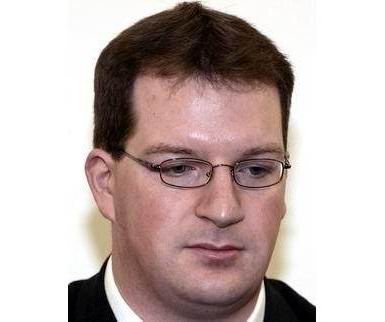
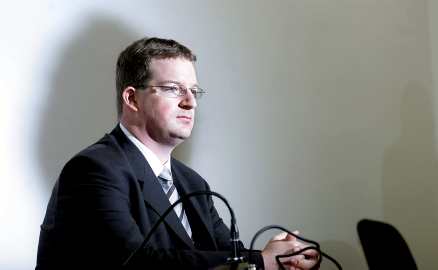
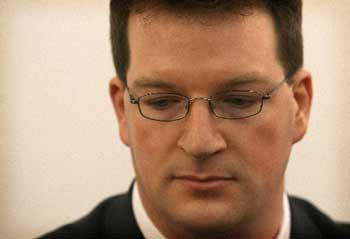
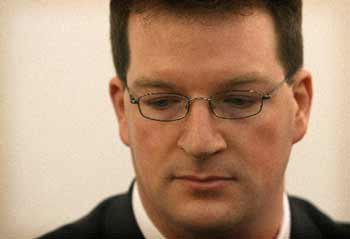
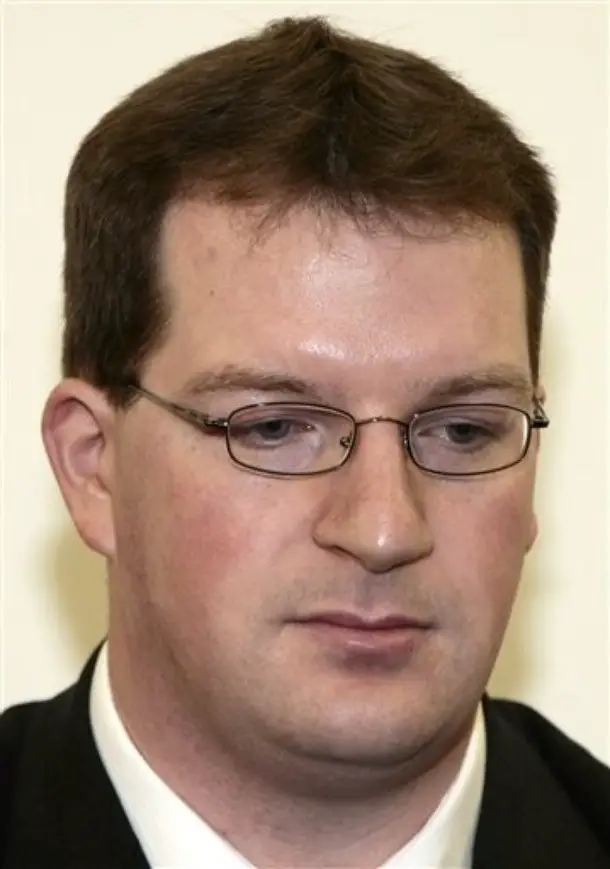
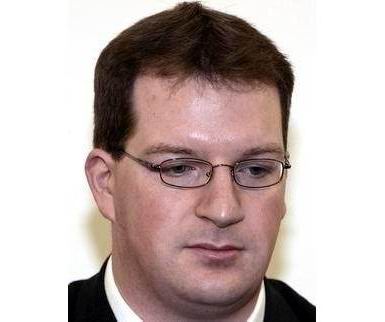
| Full Legal Name | Stephan Letter |
| Registered Monikers | The Angel of Death of Sonthofen (Der Todesengel von Sonthofen) |
| Nationality | German |
| Date and Place of Birth | September 17, 1978, Herdecke, North Rhine-Westphalia, Germany |
| Current Legal Status | Serving Life Imprisonment with a judicial finding of severe guilt (besondere Schwere der Schuld) |
| Detention Facility | Straubing High-Security Prison, Bavaria, Germany |
| Former Profession | Registered Nurse at Sonthofen District Hospital (Bavaria) |
| Active Criminal Span | January 2003 – July 2004 (18 months of clinical predation) |
| Crime Scene | Internal medicine and geriatric wards of Sonthofen District Hospital |
| Adjudicated Fatalities | 28 patient deaths proven in court (12 counts of murder, 15 counts of manslaughter, 1 mercy killing) |
| Victim Demographics | Inpatients aged 40 to 94 years |
| Lethal Substance | Lysthenon (suxamethonium chloride), a depolarizing neuromuscular blocker causing total respiratory arrest within minutes |
| Forensic Landmark | Largest post-mortem exhumation operation in modern German judicial history (over 40 bodies exhumed for mass-spectrometry toxicology) |
| Judicial Sentence | Mandatory Life Sentence handed down in November 2006 by Kempten Regional Court with lifetime ban on medical nursing practice |
The Dedicated Nurse of Sonthofen Clinic
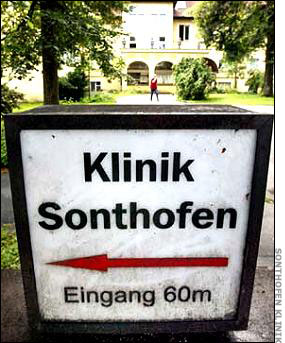
Stephan Letter was born in West Germany in 1978. Following his nursing training, he relocated in January 2003 to the Alpine town of Sonthofen in Bavaria, securing employment in the internal medicine ward of the local district hospital.
To physicians and nursing administrators, Letter appeared to be an industrious and dependable healthcare worker. He voluntarily accepted grueling night shifts and seemed particularly attentive to elderly patients. Beneath this professional veneer, however, Letter was executing one of post-war Europe's most prolific hospital murder sprees.
The Mechanism of Death: Suxamethonium Chloride
Operating during unattended night rounds, Letter introduced lethal chemical injections into patients' intravenous lines. He diverted unmonitored stocks of Lysthenon (suxamethonium chloride), an ultra-short-acting muscle relaxant used strictly in controlled surgical intubation.
When administered intravenously to an unventilated patient, suxamethonium induces catastrophic paralysis: within sixty seconds, voluntary skeletal muscles contract and freeze, including the diaphragm and intercostal respiratory muscles. Fully conscious, the patient experiences terrifying air hunger and dies of acute asphyxia within three to five minutes, completely incapable of crying out, moving, or triggering call buttons.
Letter frequently supplemented the neurotoxin with heavy doses of tranquilizers such as diazepam and morphine to mask agonal twitching.
Pharmacy Inventory Discrepancies and Exhumations
In July 2004, the hospital chief pharmacist noticed an unexplained shortfall: hundreds of ampoules of Lysthenon were unaccounted for without corresponding surgical requisitions. Internal logs demonstrated that Letter had personally retrieved the missing consignments.
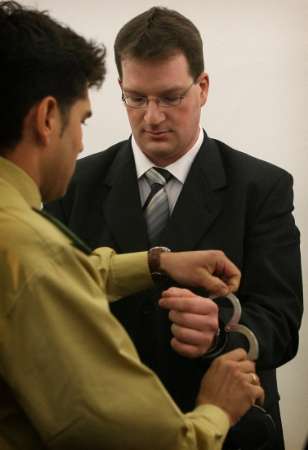
Hospital management alerted Bavarian police, leading to Letter's arrest at his apartment on July 30, 2004, where stolen pharmaceuticals were recovered.
To determine the scale of the slaughter, Bavarian prosecutors launched the largest forensic exhumation initiative in post-war German history. Forensic pathologists exhumed more than forty deceased patients across cemeteries throughout Bavaria. High-resolution gas chromatography-mass spectrometry testing detected unequivocal metabolic residues of suxamethonium in twenty-eight individuals.
The Kempten Trial and Maximum Penalty
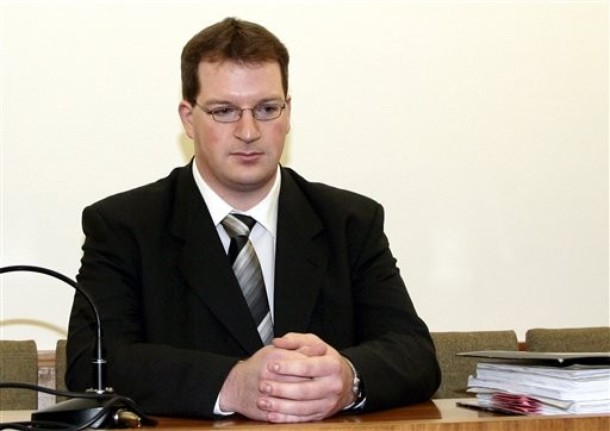
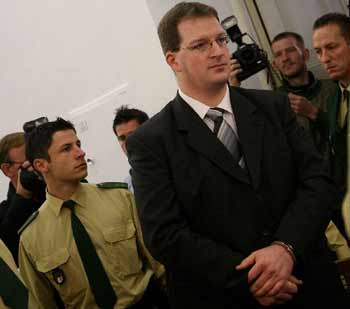
The trial commenced at Kempten Regional Court in early 2006. Letter confessed to administering the injections, attempting to cast himself as a merciful caregiver who ended the agony of terminal patients out of empathy.
Medical records dismantled his defense: several victims were not terminally ill, but stable convalescents preparing for hospital discharge following routine bone fractures or minor medical issues. Forensic psychiatrists diagnosed Letter with a severe personality disorder centered around godlike control, finding that he executed vulnerable patients to reduce ward workload and ease his shift stress.
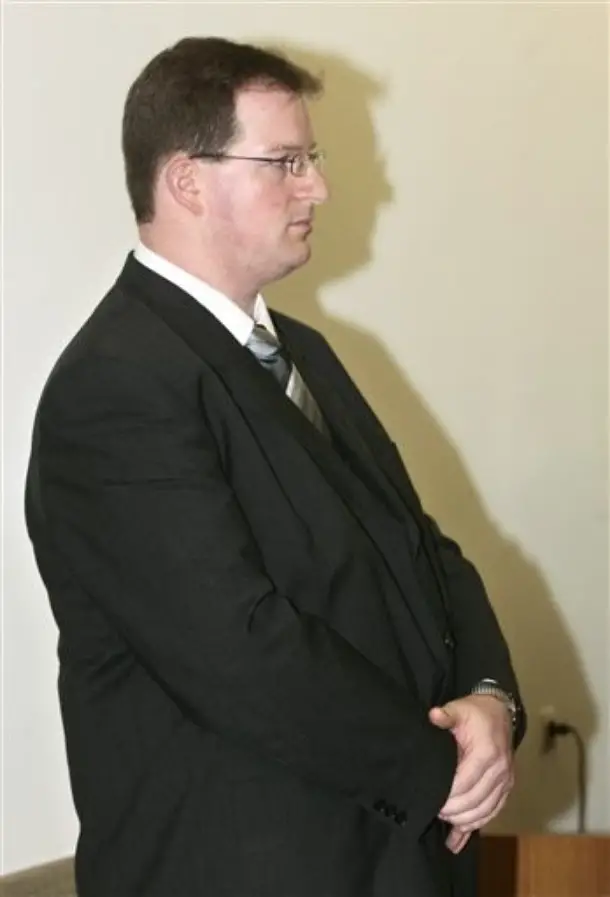
On November 20, 2006, the court convicted Letter of 12 counts of murder, 15 counts of manslaughter, and one count of homicide on demand. The presiding judge imposed a life sentence with a finding of "particular gravity of guilt," permanently barring ordinary parole review at 15 years and permanently revoking his nursing license.