Forensic & Criminological Matrix
| Parameter | Forensic Detail |
|---|---|
| Forensic Heading / Aliases | Carl Coppolino |
| Legal Identity | Carl Anthony Coppolino |
| Confirmed Victims | 1 |
| Attributed / Indicted Victims | 1 |
| Active Timeline | 1963-1965 |
| Jurisdiction / Area of Operations | New Jersey and Florida, USA |
| Criminological Classification | Serial Homicide (attributed) |
| Forensic Modus Operandi | Administration of succinylcholine to induce asphyxia |
| Weapon / Mechanism of Death | Succinylcholine (synthetic curare) and smothering |
| Motive / Behavioral Dynamics | Financial gain and personal convenience |
| Judicial Outcome | Acquitted in NJ (1966), Convicted in FL (1967) |
1. Background and Profile
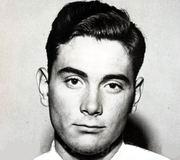
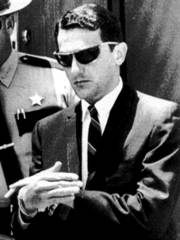
Carl Anthony Coppolino was a licensed anesthesiologist whose medical career was interrupted by a claimed heart condition. His profile is characterized by manipulative behavior and a complex web of extramarital affairs that ultimately led to his criminal downfall.
2. Criminal Career and Modus Operandi
Coppolino was accused of murdering William Farber in New Jersey and his wife, Carmela Coppolino, in Florida. He utilized his medical knowledge to administer succinylcholine, a muscle relaxant that was notoriously difficult to detect in post-mortem examinations at the time, effectively mimicking natural death.
3. Investigation and Arrest
The case gained national attention after Marjorie Farber, his former lover, claimed he had hypnotized her into assisting with the murder of her husband. Forensic breakthroughs, specifically the detection of succinylcholine by Dr. Milton Helpern, provided the necessary evidence for prosecution.
4. Legal Proceedings and Outcome
Coppolino was tried twice. He was acquitted in New Jersey for the Farber murder but was found guilty of second-degree murder in Florida for the death of his wife. He was sentenced to life imprisonment.
5. Forensic Conclusion
Coppolino served 12.5 years in prison before being paroled in 1979. His case remains a landmark in legal history for the use of forensic toxicology to secure a conviction in a circumstantial case.