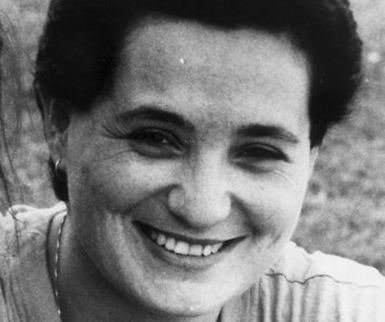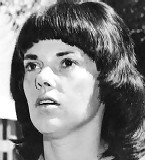





Forensic & Criminological Matrix
| Parameter | Forensic Detail |
|---|---|
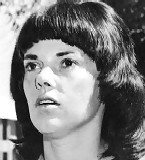
| Forensic Heading / Aliases | Lindy Chamberlain (Alice Lynne Chamberlain-Creighton) |
| Legal Identity | Alice Lynne Murchison |
| Confirmed Victims | None (Case classified as a miscarriage of justice / dingo attack tragedy) |
| Active Timeline | August 17, 1980 (Disappearance of Azaria Chamberlain) |
| Jurisdiction / Area of Operations | Uluru (Ayers Rock), Northern Territory, Australia |
| Criminological Classification | Historic miscarriage of justice / Victim of forensic failure and media persecution |
| Forensic Modus Operandi | Prosecution based on flawed circumstantial evidence, erroneous blood analysis, and preconceived parental guilt |
| Weapon / Mechanism of Death | Non-existent (Indigenous wildlife attack / Dingo) |
| Motive / Behavioral Dynamics | Non-existent (Wrongfully convicted under a massive judicial error, later exonerated) |
| Judicial Outcome | Convicted of murder and sentenced to life imprisonment in 1982; convictions overturned and fully acquitted in 1988 |
1. Background and Psychopathy
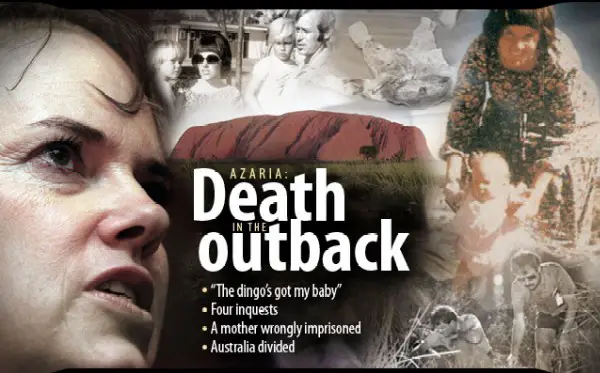
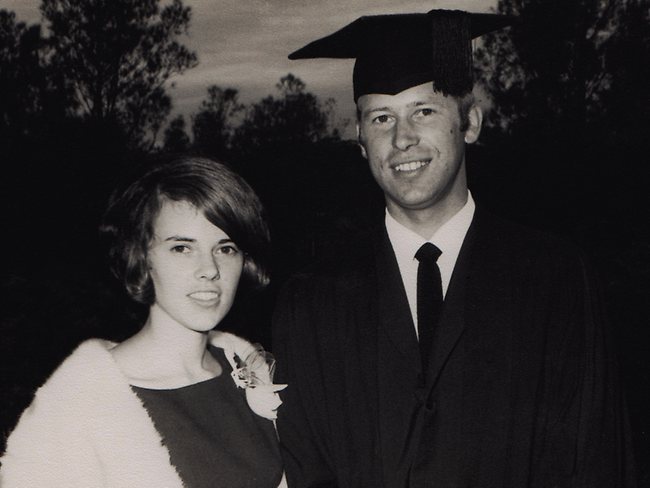
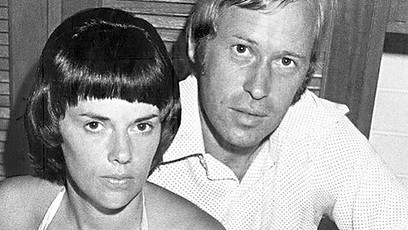
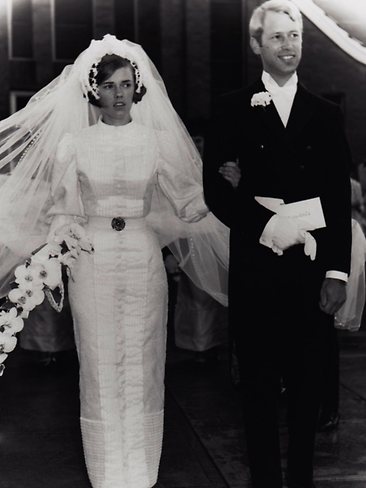
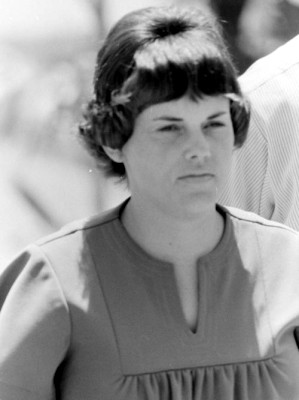
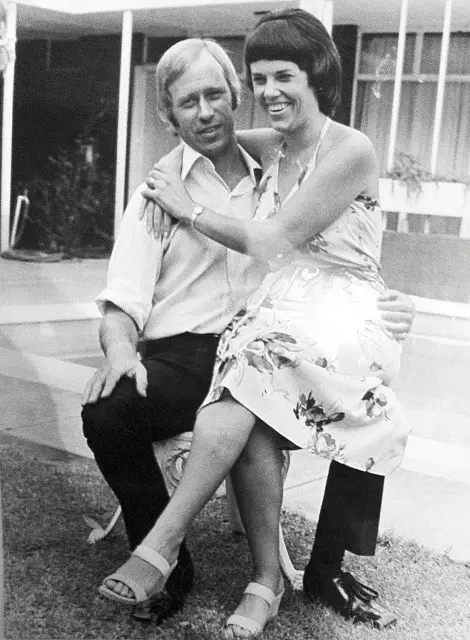
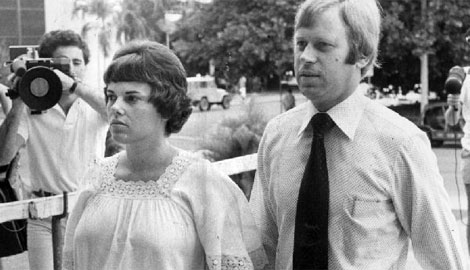
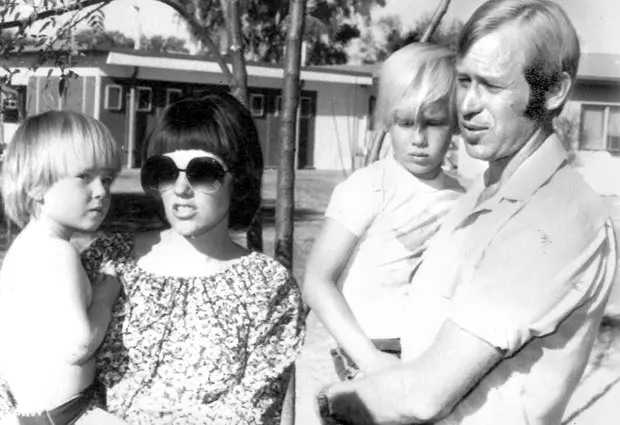
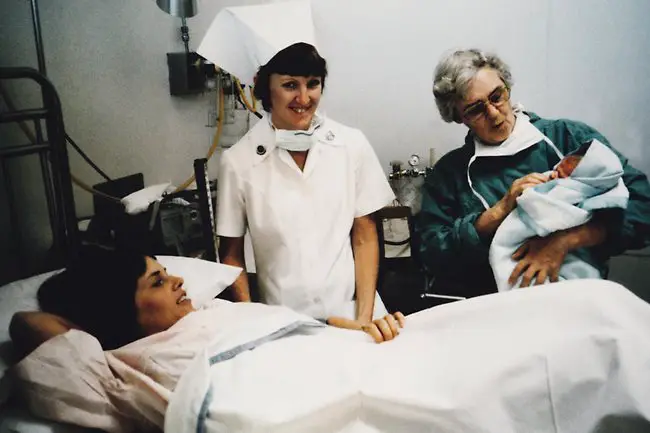
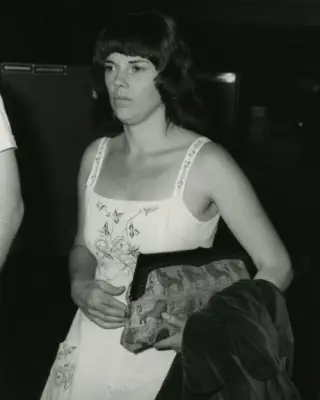
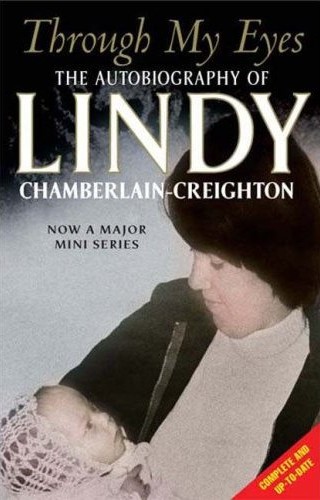
Alice Lynne "Lindy" Murchison was born on March 4, 1948, in Whakatane, New Zealand, relocating to Australia with her family in 1949. Adherents to the Seventh-day Adventist Church, she married fellow church member and pastor Michael Chamberlain on November 18, 1969. Raising a family that included three sons and two daughters, they lived in Tasmania before relocating to Mount Isa, Queensland. Their conservative and religious background later subjected them to intense public scrutiny and systematic bias from investigators and prosecutors during what remains one of the most high-profile legal trials in Australian history.
2. Crime Spree
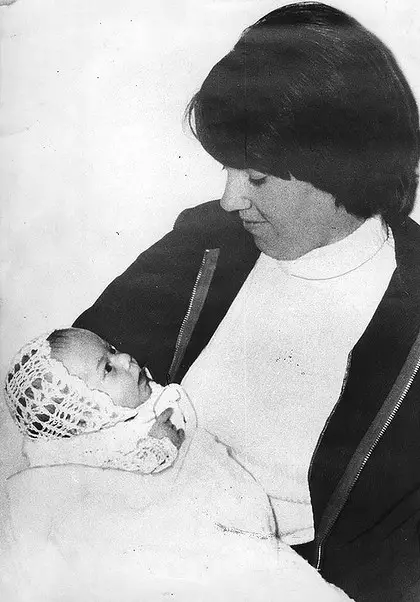
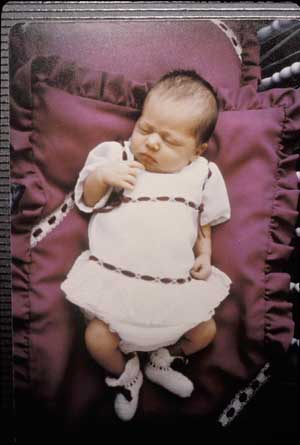
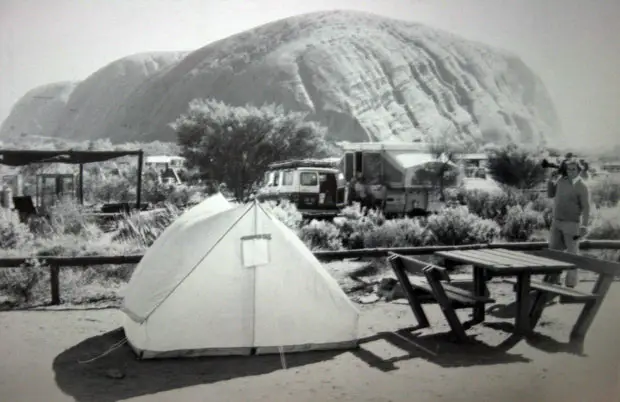
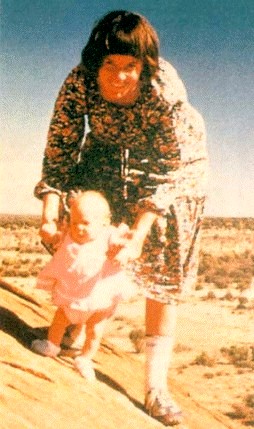
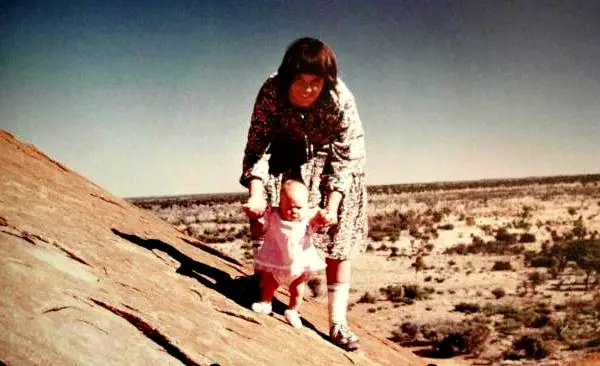
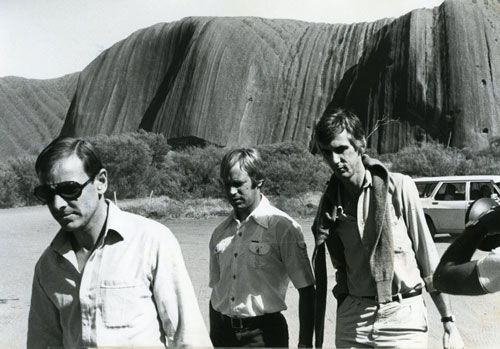
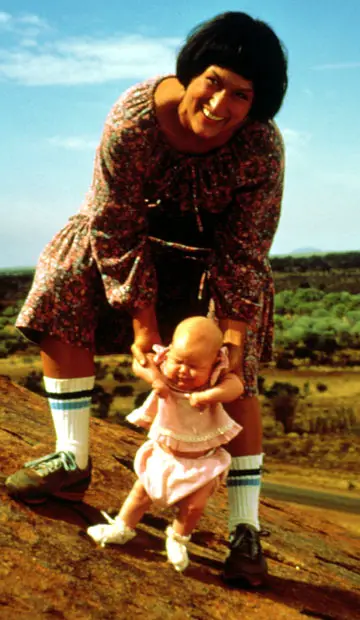
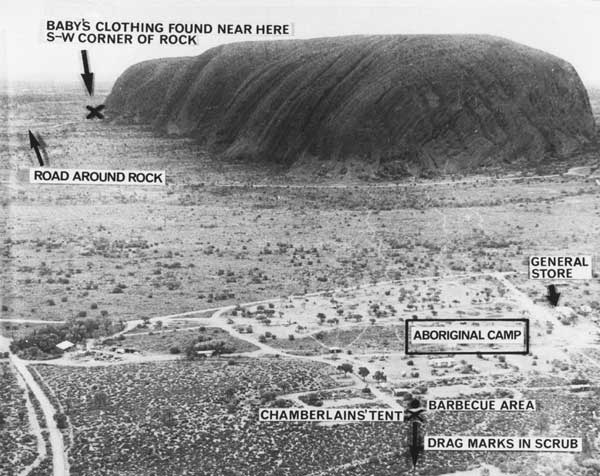
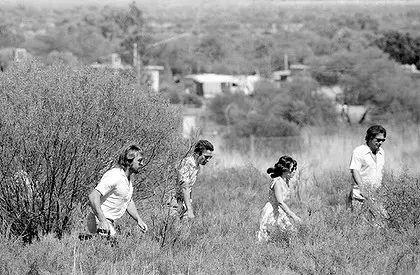
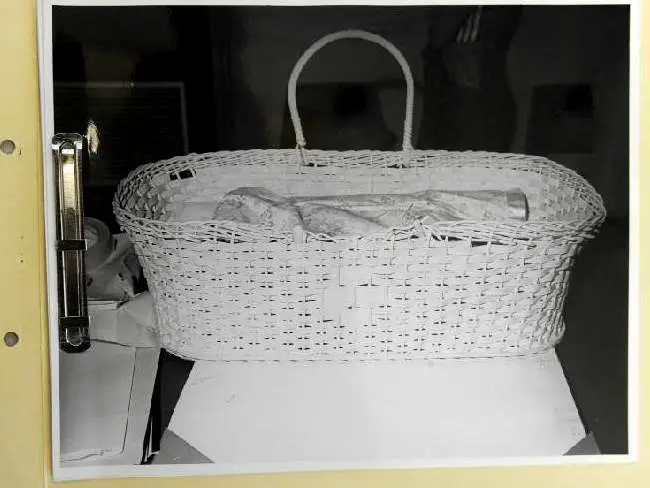
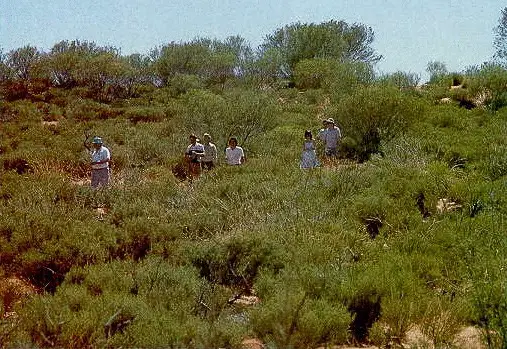
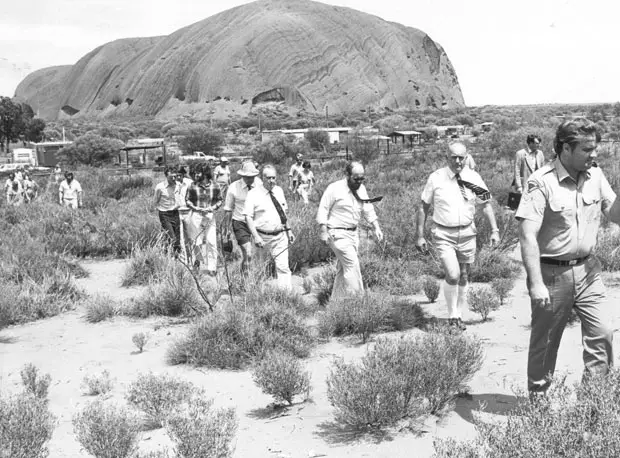
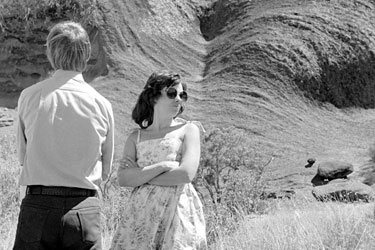
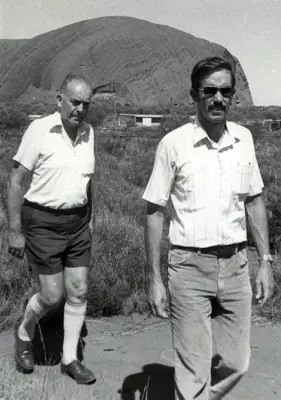
On August 16, 1980, the Chamberlain family embarked on a camping trip to the Uluru (Ayers Rock) tourist area in the Northern Territory. Just two months after the birth of their nine-week-old daughter, Azaria, tragedy struck. On the night of August 17, 1980, Lindy Chamberlain reported in distress that a dingo had entered their tent and carried the infant away. Despite massive search efforts involving volunteers and authorities, the infant's body was not initially recovered, giving rise to wild speculation, conspiracy theories, and profound investigative failures by law enforcement.
3. Police Investigation and Forensic Hunt
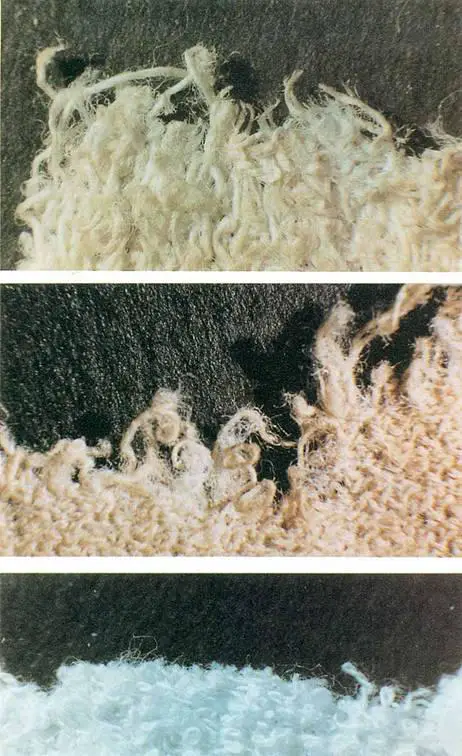
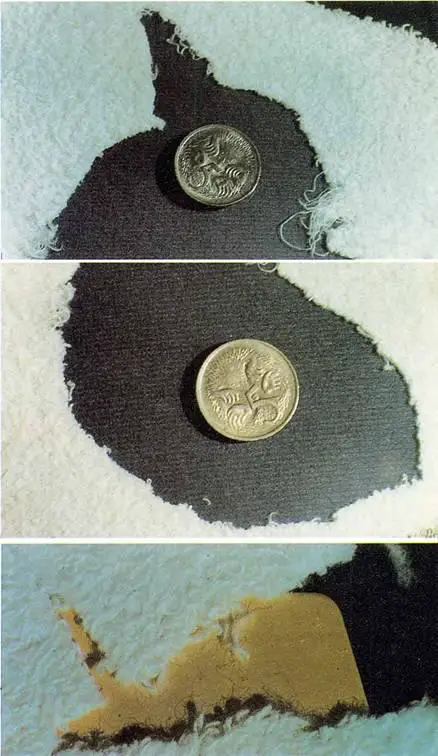
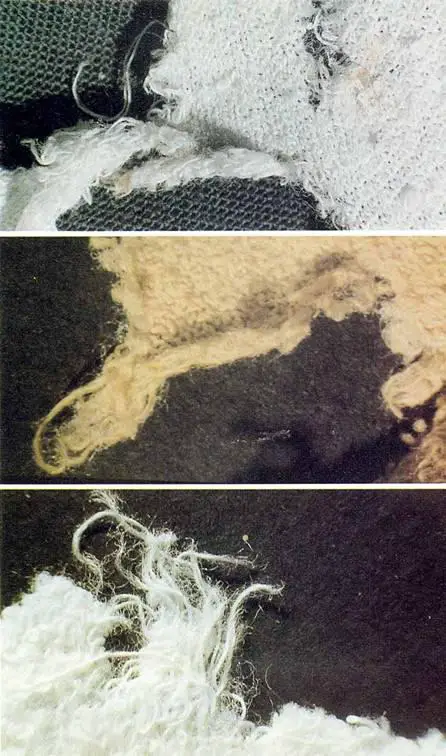
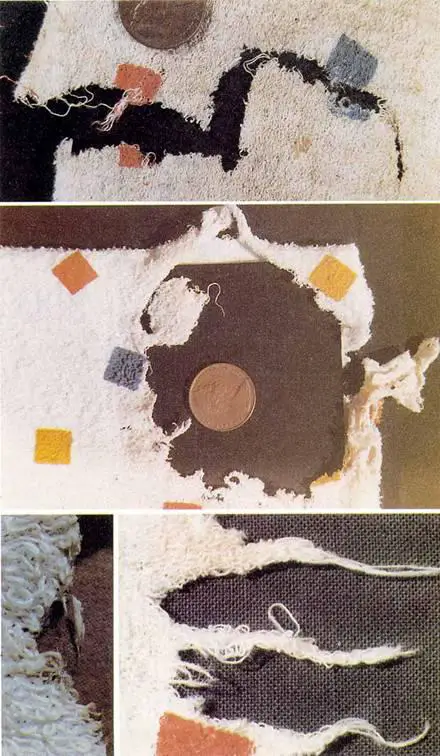
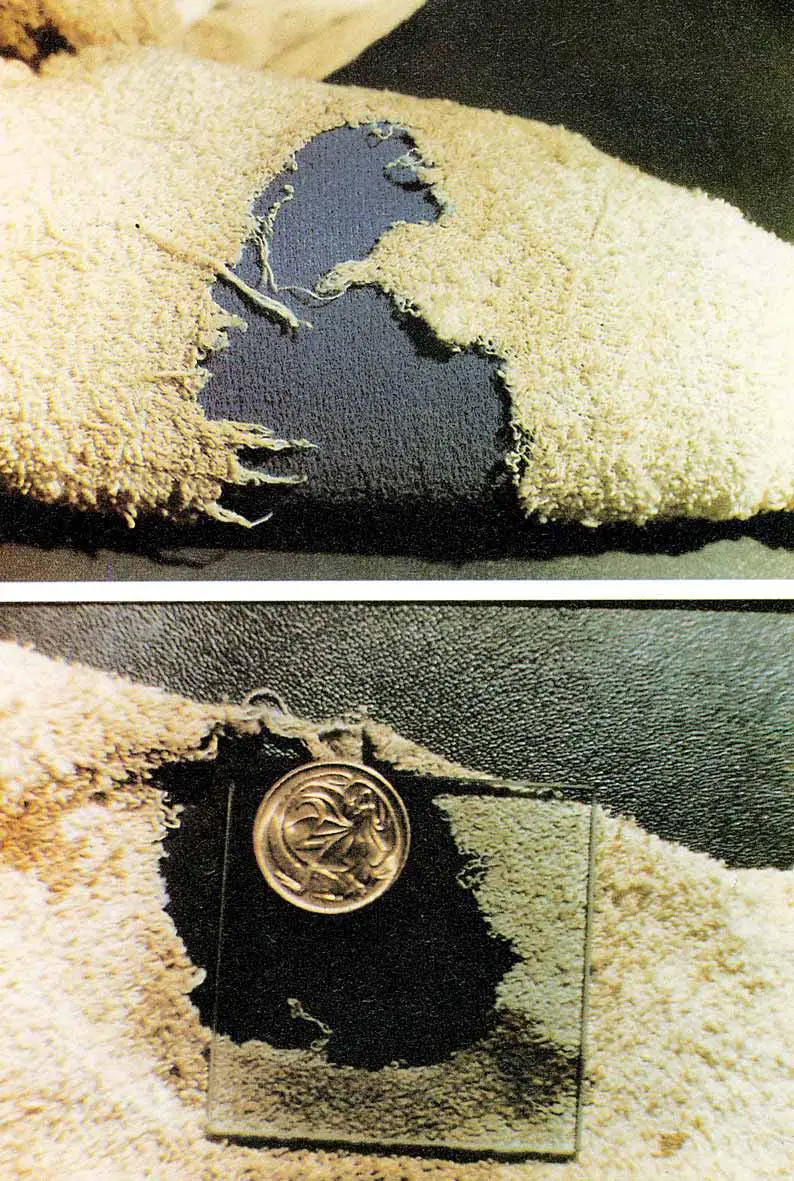
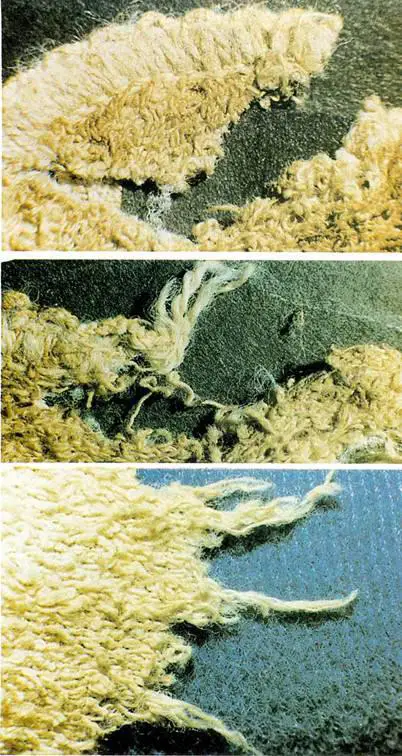
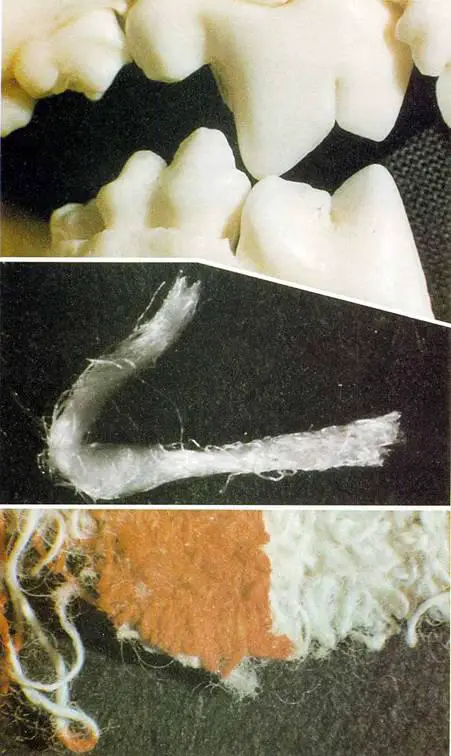
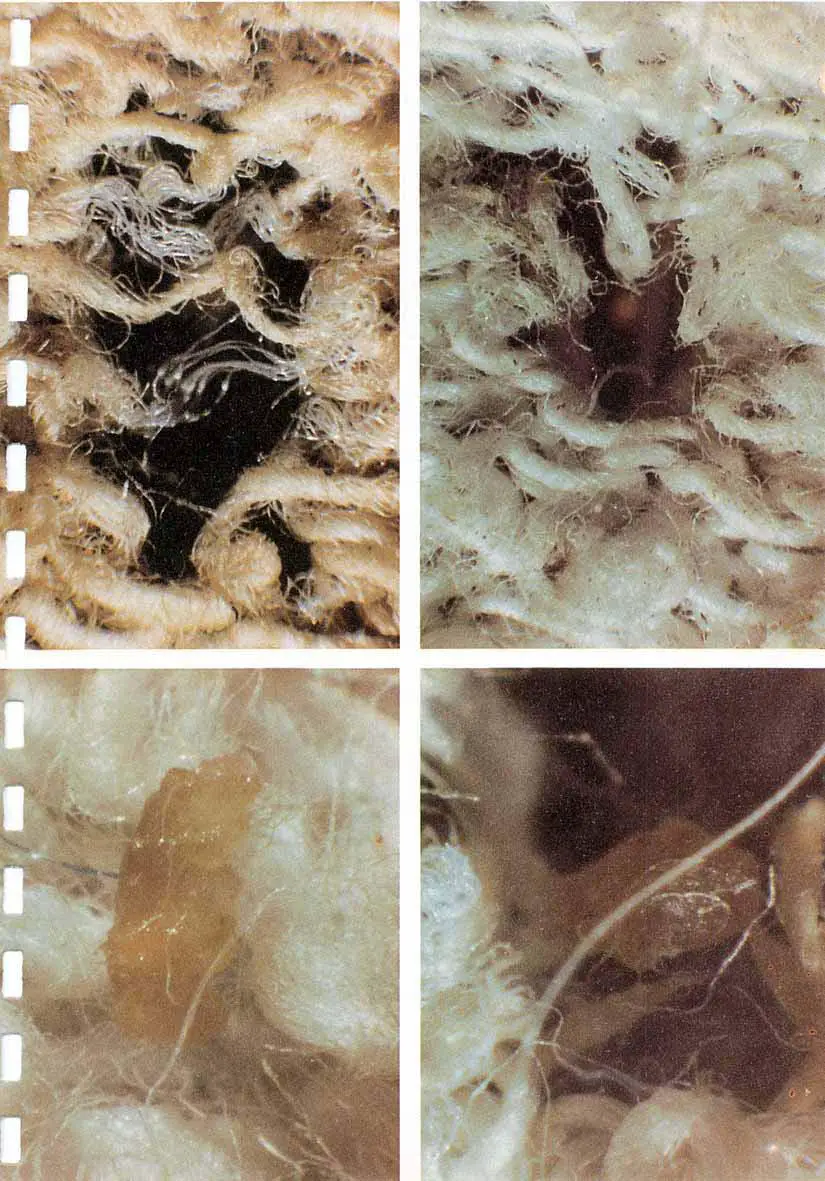
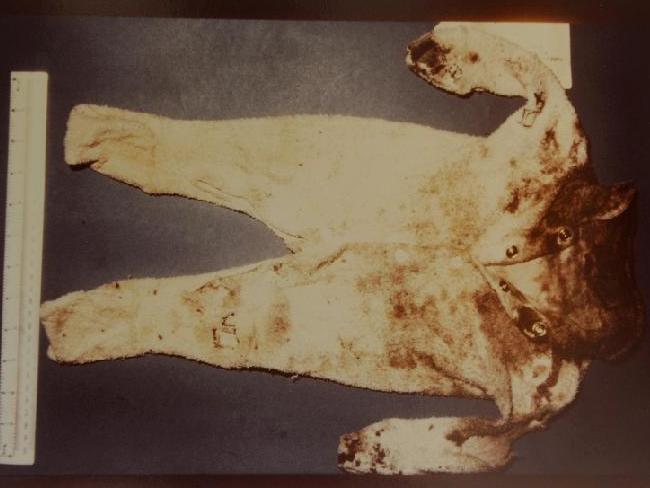
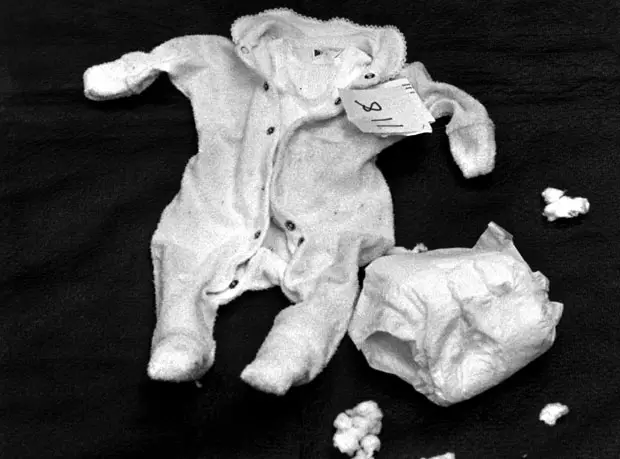
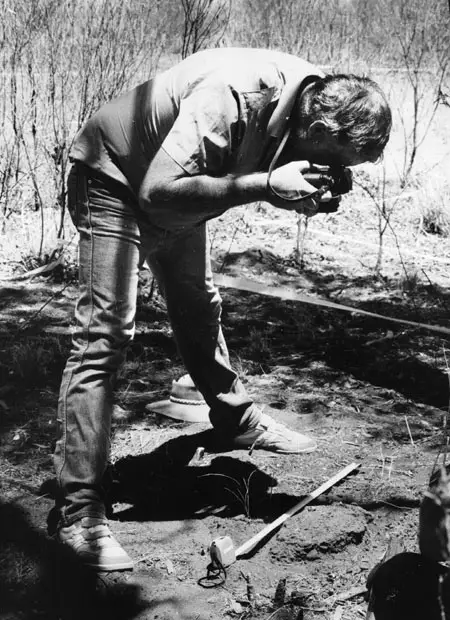
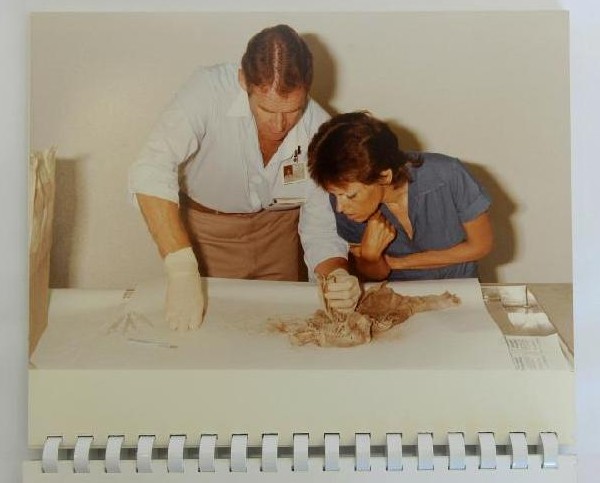
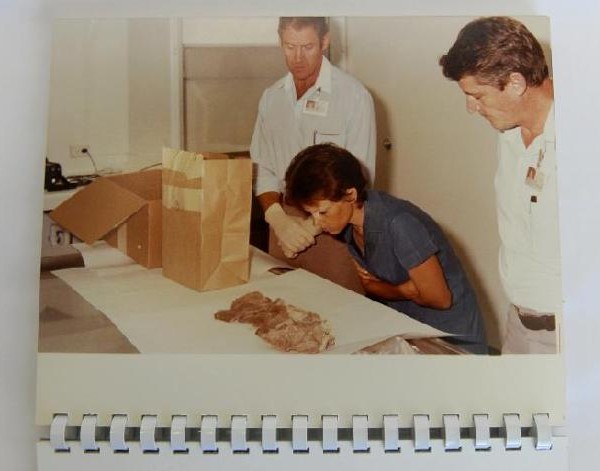
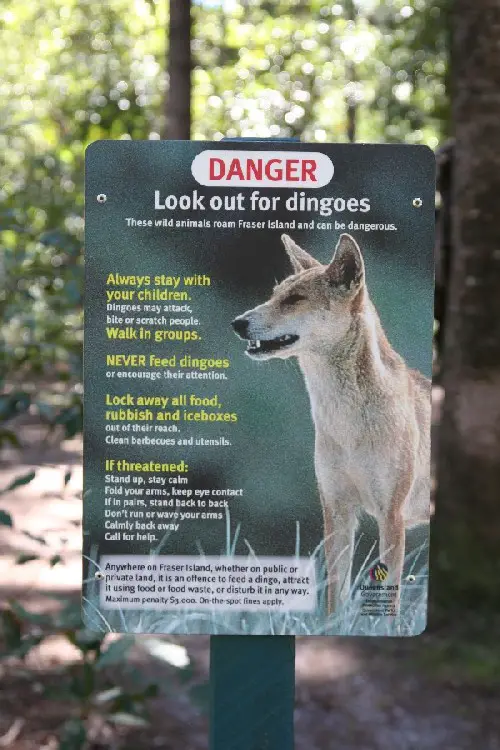
The initial local coronial inquiry supported the parents' account, taking note of prior warnings by the chief ranger regarding the increasing aggressiveness of dingoes in the area. However, media pressure and technical incompetence within police laboratories distorted the investigation. The prosecution constructed a case upon faulty forensic testing—misinterpreting harmless substances in the family vehicle as human fetal blood and falsely identifying nonexistent scissor cuts on the baby's clothing. Ecological warnings regarding native fauna were ignored in favor of a bizarre conspiracy theory alleging Lindy had slit her infant's throat, hidden the body, and staged a dingo attack.
4. Arrest and Judicial Proceedings
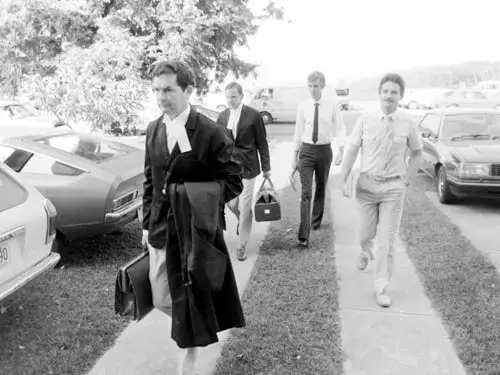
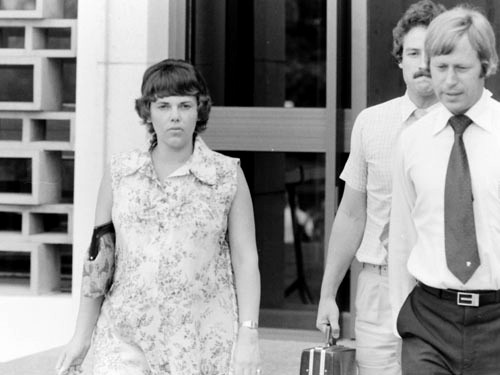
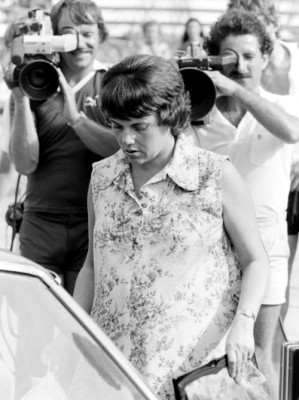
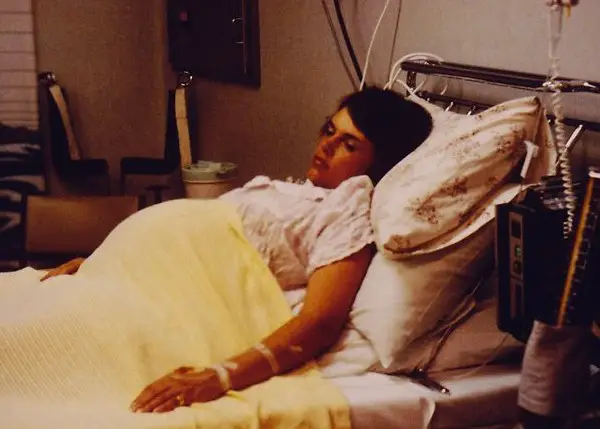
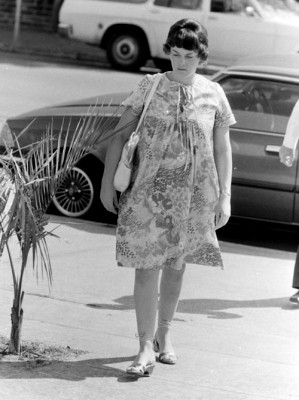
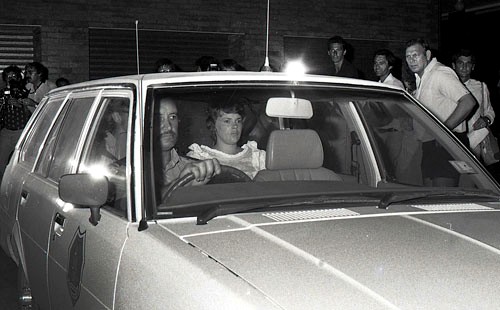
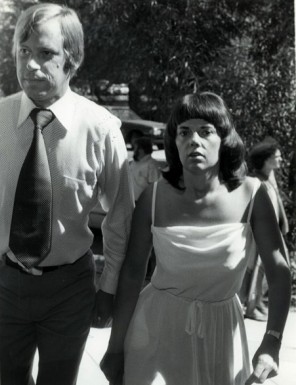
Following a second inquest ordered after the initial findings were quashed, Lindy Chamberlain was indicted for murder, and her husband Michael as an accessory after the fact, in September 1982. On October 29, 1982, a jury found both guilty, resulting in a life sentence for Lindy. While imprisoned and pregnant with her fourth child, she maintained her innocence as appeals were rejected by the High Court of Australia in February 1984, cementing a monumental miscarriage of justice.
5. Psychiatric Assessment and Outcome
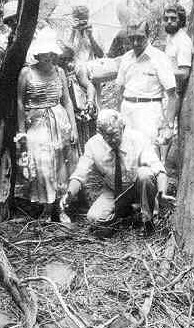
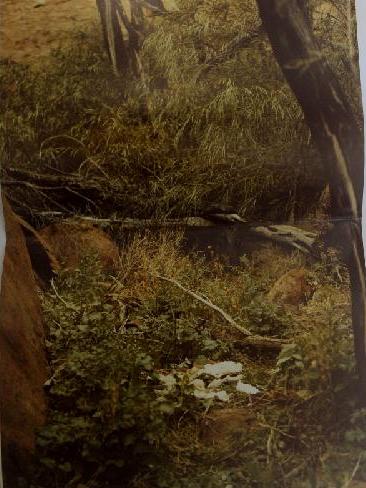
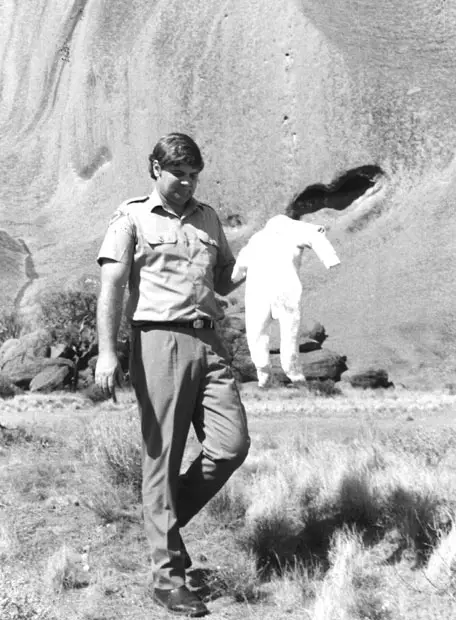
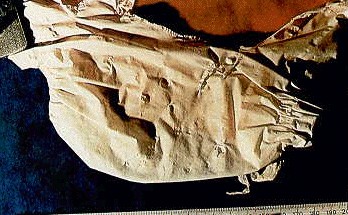
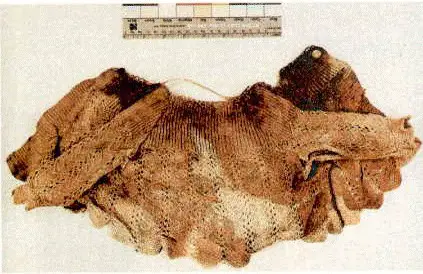
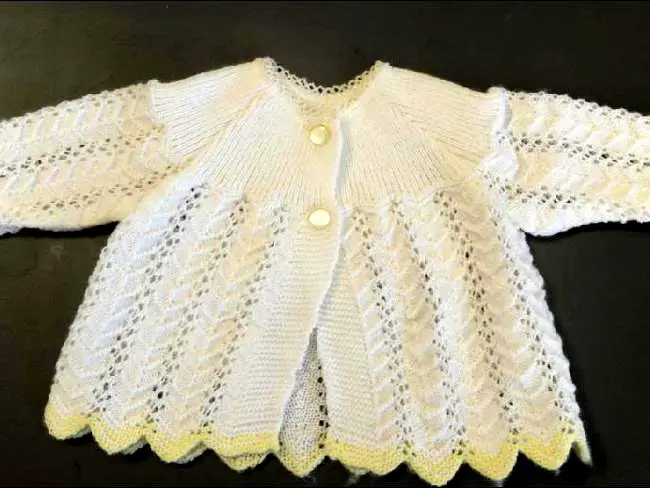
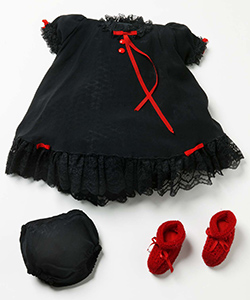
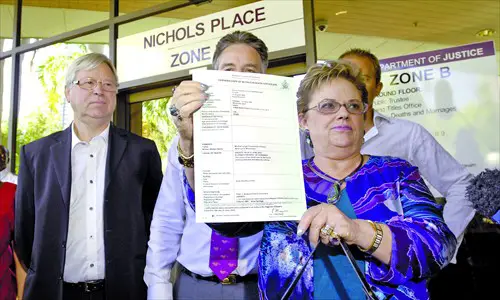
The definitive turning point arrived in February 1986 with the accidental discovery of Azaria's missing matinee jacket near a dingo lair, which decisively corroborated the mother's original claims. This prompted the Northern Territory Government to remit the life sentence and establish a Royal Commission. In September 1988, the appellate court quashed all convictions, completely exonerating the Chamberlains. In 1992, Lindy received financial compensation from the Australian government. Although her marriage dissolved and she later remarried, the case remains a landmark study on the dangers of cognitive bias in forensic science and the destructive influence of trial-by-media.