



Forensic & Criminological Matrix
| Parameter | Forensic Detail |
|---|---|
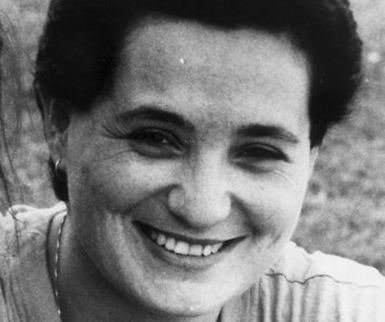
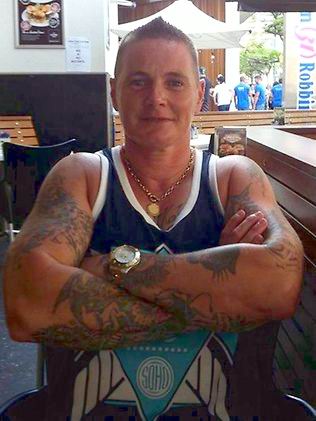
| Forensic Heading / Aliases | Anu Singh |
| Legal Identity | Anu Singh |
| Confirmed Victims | 1 (Joe Cinque) |
| Active Timeline | October 1997 |
| Jurisdiction / Area of Operations | Canberra, Australian Capital Territory, Australia |
| Criminological Classification | Singular offender / Personality disorder-driven homicide |
| Forensic Modus Operandi | Subreptitious administration of sedatives in beverages (Rohypnol) followed by a lethal intravenous heroin injection |
| Weapon / Mechanism of Death | Rohypnol, heroin, and hypodermic syringe |
| Motive / Behavioral Dynamics | Relational obsession, pathological narcissism, and diminished responsibility claims |
| Judicial Outcome | Convicted of manslaughter in 1999, sentenced to 10 years imprisonment; paroled in 2001 after serving 4 years |
1. Background and Profile
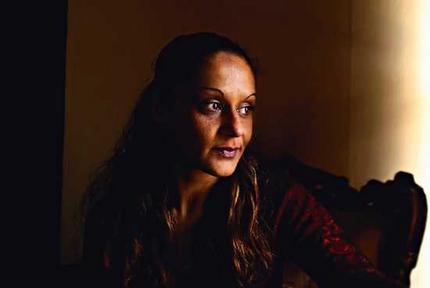
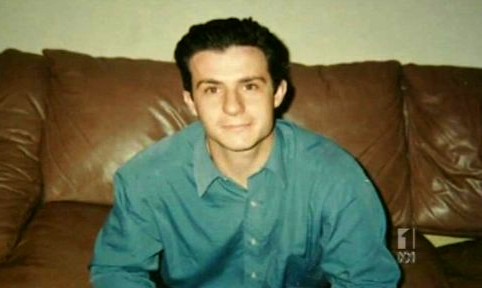
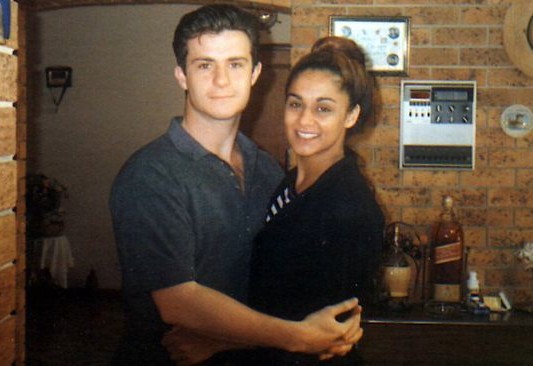
Anu Singh was born in 1972 into an affluent family of Indian physicians in Australia. As a law student at the Australian National University (ANU), she cultivated an image of academic brilliance, social standing, and privilege. Beneath this veneer, however, lay profound emotional fragility, narcissistic traits, and an extreme fixation on control that collapsed under the pressure of relationship friction with her partner, 26-year-old engineer Joe Cinque.
2. Crime Spree and Modus Operandi
In October 1997, following explicit statements to acquaintances regarding her intention to kill Cinque and the hosting of two farewell dinner parties, Singh enacted a calculated plan. At their Canberra flat, she laced Cinque's coffee with Rohypnol, a potent sedative. Subsequently, she injected him with a lethal dose of heroin. Cinque languished in their bed for approximately 36 hours, vomiting blood while Singh observed without seeking medical intervention.
3. Investigation and Forensic Pursuit
Law enforcement initiated an immediate investigation following Cinque's death and statements from witnesses to whom Singh had confided her homicidal intentions days prior. Forensic toxicology confirmed massive levels of Rohypnol and heroin in the victim, who had no history of drug use. Physical and testimonial evidence quickly dismantled Singh's initial claims, establishing her as the primary perpetrator.
4. Legal Proceedings and Outcome
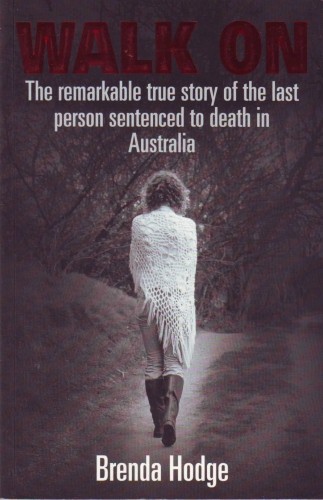
During her 1999 trial in Canberra, Singh's defense successfully argued diminished responsibility due to mental illness and body dysmorphia. Consequently, the charge was reduced from murder to manslaughter. She was sentenced to 10 years' imprisonment. The case became a landmark in Australian legal history and was immortalized in Helen Garner's acclaimed investigative non-fiction book, Joe Cinque's Consolation.
5. Psychiatric Evaluation and Aftermath
While serving her sentence at the Emu Plains minimum-security women's prison, Singh pursued higher education, completing a master's degree in criminology focusing on female criminality. She was released early on parole in 2001 after serving just four years. Her subsequent reintegration, engagement in community research, and attempts to secure media attention provoked ongoing public controversy and deep anguish for the Cinque family, who condemned her lack of genuine remorse.