



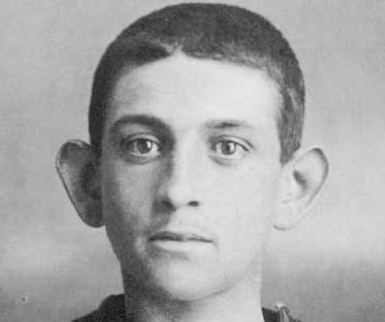
Forensic & Criminological Matrix
| Parameter | Forensic Detail |
|---|---|
| Forensic Heading / Aliases | N/A |
| Legal Identity | Cayetano Domingo Grossi |
| Confirmed Victims | 5 |
| Attributed / Indicted Victims | 5 |
| Active Timeline | 1894 - 1898 |
| Jurisdiction / Area of Operations | Buenos Aires, Argentina |
| Criminological Classification | Serial Killer (Infanticide) |
| Forensic Modus Operandi | Strangulation and incineration of neonatal remains |
| Weapon / Mechanism of Death | Cervical compression and fire |
| Motive / Behavioral Dynamics | Control, incest, and concealment of evidence |
| Judicial Outcome | Death penalty by firing squad |
1. Background and Profile
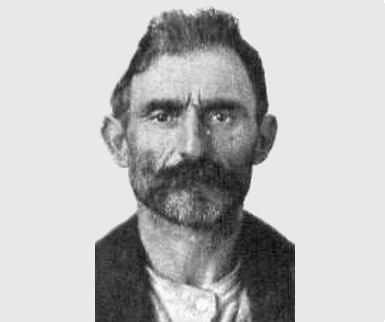
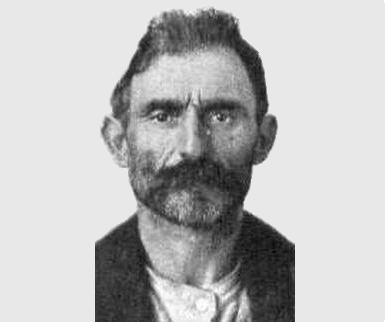
Cayetano Domingo Grossi, a carter by trade, is historically recognized as the first serial killer in the history of Argentina. His criminological profile reveals a dynamic of extreme power and domination over his family unit, consisting of his common-law wife, Rosa Ponce de Nicola, and her daughters, Clara and Catalina. Grossi exerted absolute control, characterized by the systematic sexual abuse of his stepdaughters.
2. Criminal Career and Modus Operandi
Between 1894 and 1898, Grossi murdered five of his newborn children, the result of rapes committed against Clara and Catalina. His modus operandi involved strangling the neonates immediately after birth, followed by the incineration of the bodies in furnaces or trash heaps. The remains were frequently concealed in burlap sacks and discarded in industrial waste areas, such as the grease factory in the Retiro neighborhood.
3. Investigation and Arrest
The investigation began on May 29, 1896, following the discovery of human remains in a dump. Forensic analysis determined cranial fractures and signs of violence. In 1898, a second discovery allowed police to trace the origin of the wrappings (patched cashmere sacks). Tracking the waste and neighborhood testimonies led to the house at 1438 Artes Street, where the Grossi family resided.
4. Legal Proceedings and Outcome
On May 10, 1898, a police commission found a baby's corpse under a bed. Grossi confessed after being pressured, though he attempted to blame his stepdaughters. The judicial process, led by Judge Ernesto Madero, determined Grossi's guilt as the material perpetrator. Rosa, Clara, and Catalina were convicted as accessories and sentenced to prison.
5. Forensic Conclusion
On April 6, 1900, Cayetano Domingo Grossi was executed by a firing squad at the Las Heras National Penitentiary. His execution marked a milestone in Argentine criminal history, being the first case of this nature to be resolved through capital punishment.