


Forensic & Criminological Matrix
| Parameter | Forensic Detail |
|---|---|
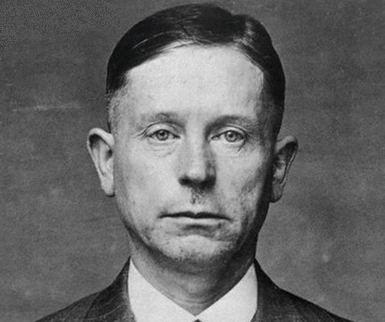
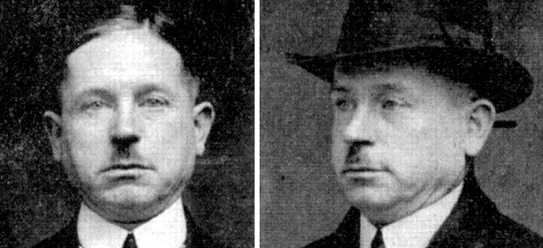
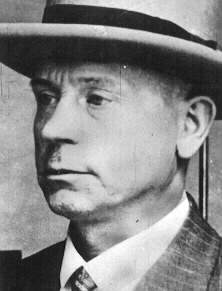
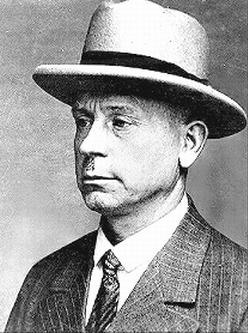
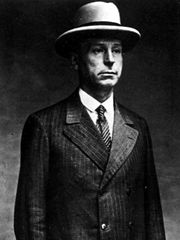
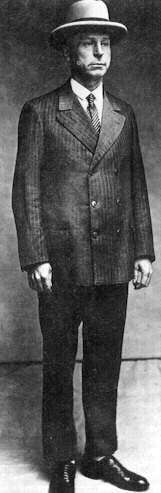
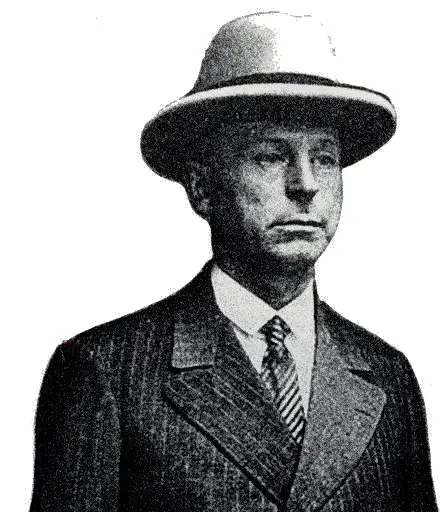
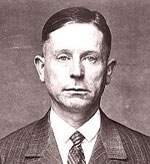
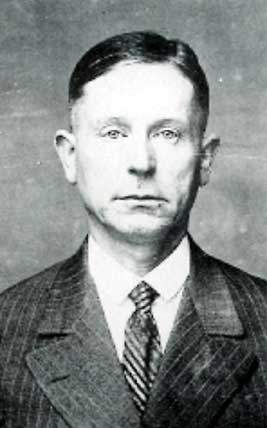
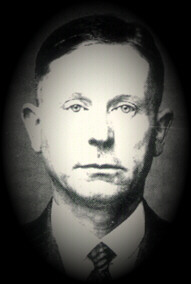
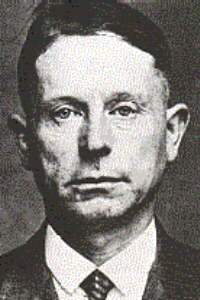
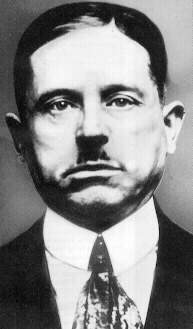
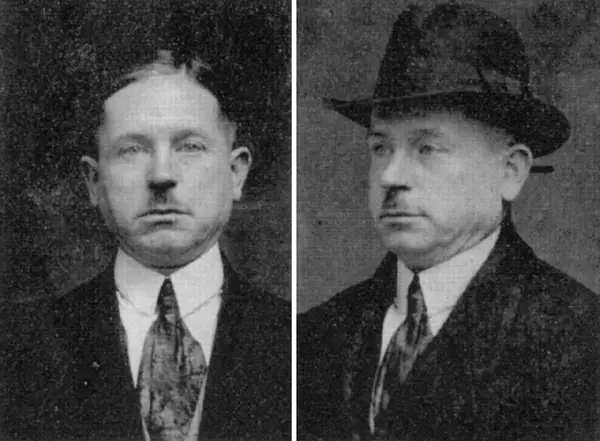
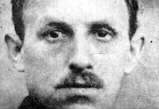
| Full Legal Name | Peter Kürten. |
| Criminal Moniker | The Vampire of Düsseldorf (Der Vampir von Düsseldorf), The Monster of the Rhineland. |
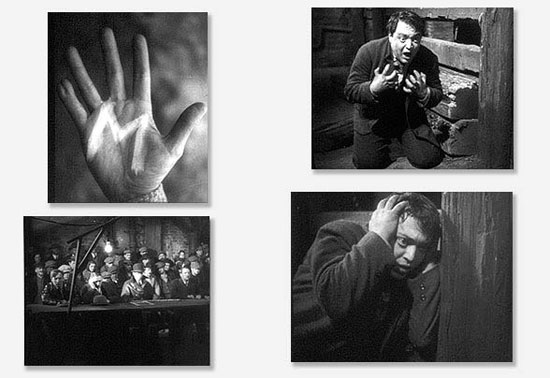
| Foundational Forensic Landmark | Landmark case in the birth of modern serial murder profiling; Berlin Chief Inspector Ernst Gennat coined the criminological term "Serienmörder" (serial killer) during this investigation; inspired Fritz Lang's cinematic masterpiece M (1931), starring Peter Lorre. |
| Criminological Classification | Sadistic sexual serial killer / Clinical hematophage (forensic vampirism) / Multi-weapon opportunist and compulsive pyromaniac. |
| Active Murder Span | May 1913 (first verified murder) and February – November 1929 (the Düsseldorf terror spree). |
| Geographical Theater | Düsseldorf, Altenburg, and Cologne, North Rhine-Westphalia (Weimar Germany). |
| Confirmed Murder Victims | 9 court-proven capital homicides; confessed to 15 murders and over 60 attempted homicides, assaults, and stabbings. |
| Weapons Used | Tailor's shears, pruning scissors, heavy daggers, hunting knives, mechanic's hammers, and manual strangulation. |
| Forensic Signature & Paraphilia | Clinical hematophagy (drinking the arterial blood welling from the sliced cervical vessels of his victims to induce orgasm); compulsive arson of lumberyards and barns for erotic arousal. |
| Judicial Disposition & Execution | Convicted of nine counts of murder in April 1931; executed by guillotine at Klingelpütz Prison in Cologne on July 2, 1931, at age 48. |
Introduction: The Weimar Serial Killer Benchmark
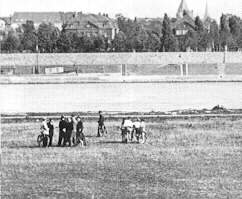
In 1929, against the turbulent backdrop of the Weimar Republic, the industrial metropolis of Düsseldorf was gripped by collective panic. An elusive nocturnal phantom slaughtered schoolgirls walking home, courting couples along the banks of the Rhine, and lone working men.
The predator's savagery—regularly drinking arterial blood from the wounds of his dying victims—prompted the international press to designate him "The Vampire of Düsseldorf". The investigation brought legendary Berlin homicide detective Ernst Gennat to the Rhineland, whose methodical card-index system and behavioral analyses established the scientific foundations of modern serial homicide investigation.
Brutalized Youth and Formative Sadism
Born in Mülheim am Rhein in May 1883 into a destitute family of thirteen children, Kürten grew up amidst severe alcoholism and domestic violence. His father, an abusive laborer who served prison time for incestuous rape of Peter's sister, beat him relentlessly.
By age nine, Kürten discovered erotic arousal through cruelty to animals, learning to torture dogs and farm animals while watching blood flow. At that same age, he deliberately pushed two neighborhood playmates off a raft in the Rhine, watching them drown. Throughout his adolescence, he accumulated convictions for military desertion, armed theft, and dozens of pyromaniac structure fires.
The First Slaying: Christine Klein (1913)
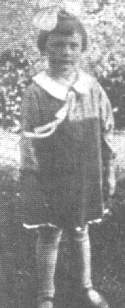
On May 25, 1913, in Altenburg, Kürten carried out his first murder. Breaking into an inn to commit burglary, he slashed the throat of ten-year-old Christine Klein in her bed and drank her blood. The victim's father was initially wrongfully arrested, while Kürten escaped detection.
The 1929 Reign of Terror
Settling in Düsseldorf in 1925, Kürten married an ex-convict and maintained a fastidious, respectable bourgeois facade. In February 1929, he unleashed his killing spree:
- February 1929: He stabbed nine-year-old Rosa Ohliger and set her body ablaze with kerosene; days later he slashed the throat of mechanic Rudolf Scheer.
- August 1929: He murdered sisters Gertrud (14) and Ida Albermann (5), concealing their bodies near an abandoned brickworks.
- Autumn 1929: He bludgeoned waitress Gertrude Hamacher, stabbed domestic worker Luise Lenzen, and attacked couples in Grafenberg forest.
- November 1929: He killed five-year-old Gertrud Bell in an open field.
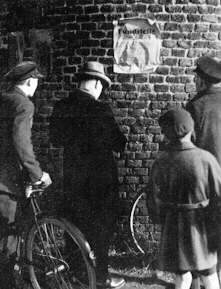
Kürten taunted authorities by mailing anonymous letters containing precise hand-drawn cartographic coordinates to the burial sites of his victims, relishing the public terror paralyzing the city.
The Breakthrough: Maria Büdlick
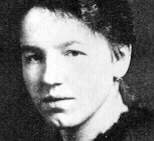
The spree terminated through the survival of Maria Büdlick, a 20-year-old domestic servant whom Kürten approached at the railway station in May 1930. He lured her to his apartment and subsequently into Grafenberg forest, attempting to throttle her. Büdlick cleverly feigned total affection and submission, persuading him to spare her life.
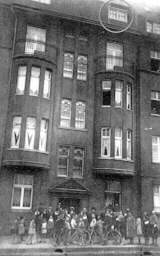
Büdlick guided detectives back to the apartment building. Realizing the net was closing, Kürten confessed his crimes to his wife Auguste, instructing her to turn him in so she could claim the substantial 10,000-mark police bounty. On May 24, 1930, Peter Kürten was arrested outside St. Rochus Church in Düsseldorf.
Psychiatric Revelations and The Guillotine
During months of psychiatric interrogation led by Dr. Karl Berg, Kürten provided chilling descriptions of his paraphilia:
"My ultimate pleasure was never the physical sex act; my supreme ecstasy was the sight of blood, the sound of the victim's dying gasps, and the absolute power over human life."
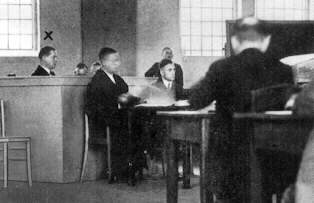
In April 1931, Kürten was convicted of nine counts of murder and sentenced to death.
On the morning of July 2, 1931, in the courtyard of Klingelpütz Prison in Cologne, Peter Kürten was led to the guillotine. Moments before the blade fell, he asked the prison physician:
"Tell me, doctor... after my head has been chopped off, will I still be able to hear, at least for an instant, the sound of my own blood gushing from the stump of my neck? That would be the pleasure to end all pleasures."
His mummified, bifurcated head was preserved for neurological research and remains an iconic forensic artifact in American true-crime museums.