





Forensic & Criminological Matrix
| Parameter | Forensic Detail |
|---|---|
| Forensic Heading / Aliases | Carol Carr / The Euthanasia Mother |
| Legal Identity | Carol Carr |
| Confirmed Victims | 2 (her adult sons, Andy Byron Scott and Michael Randy Scott) |
| Active Timeline | June 8, 2002 |
| Jurisdiction / Area of Operations | Spalding County, Georgia, United States |
| Criminological Classification | Mercy killing / Assisted suicide |
| Forensic Modus Operandi | Lethal shootings using a .25-caliber handgun inside a nursing home facility to end degenerative suffering |
| Weapon / Mechanism of Death | .25-caliber semi-automatic handgun |
| Motive / Behavioral Dynamics | Humanitarian euthanasia driven by extreme caregiver burnout and the ravages of Huntington's disease on her family |
| Judicial Outcome | Pleaded guilty to assisted suicide in January 2003, sentenced to 5 years in prison; paroled in March 2004 |
1. Background and Psychopathy
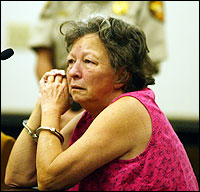
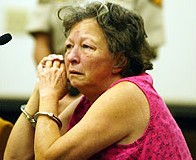
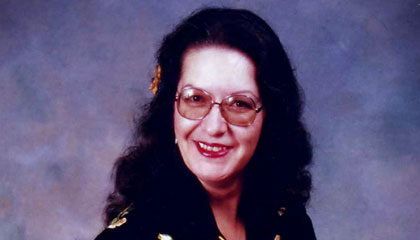
Carol Carr, born in 1939, became the epicenter of a nationwide debate regarding euthanasia, the right to die with dignity, and the profound burdens placed upon family caregivers. Her life was overshadowed by Huntington's disease, a hereditary, fatal neurodegenerative disorder that had progressively claimed multiple members of her extended family, including her husband Hoyt, who died in 1995 after years of total debilitation.
2. Crime Spree
On June 8, 2002, inside the SunBridge Care and Rehabilitation facility in Griffin, Georgia, Carr executed a premeditated plan to terminate the lives of her two eldest sons, Michael Randy (42) and Andy Byron (41). Both men were suffering from advanced, end-stage Huntington's disease, left bedridden, non-verbal, and enduring immense physical degradation. Carr entered their shared room and ended their lives with single gunshot wounds to the head using a .25-caliber handgun.
3. Police Investigation and Forensic Hunt
Avoiding any attempt at evasion, Carr calmly walked out to the facility's lobby after the shootings and awaited law enforcement. Upon questioning by detectives that evening, she readily admitted to the acts, stating unequivocally that she wanted to stop their unbearable suffering. The lead investigator characterized the incident as a clear-cut case of a mercy killing, a sentiment supported by public empathy and statements from her remaining son.
4. Arrest and Judicial Proceedings
Initially indicted on malice and felony murder charges by a Spalding County grand jury in August 2002, Carr faced the possibility of life imprisonment. However, in January 2003, prosecutors agreed to a plea bargain dropping the murder charges in exchange for a guilty plea to assisting a suicide. In January 2003, she was sentenced to five years in state prison, marking one of the first major convictions of its kind under Georgia's assisted suicide statute.
5. Psychiatric Evaluation and Outcome
While incarcerated at Metro State Prison in Atlanta, correctional and parole officials recognized the immense psychological toll Carr had already endured. On February 3, 2004, the state parole board granted her release after serving 21 months. Strict parole conditions barred her from acting as a caregiver for her surviving son, James, and mandated regular psychological counseling throughout her supervision period.