




Forensic & Criminological Matrix
| Parameter | Forensic Detail |
|---|---|
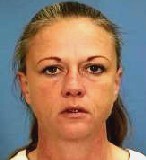
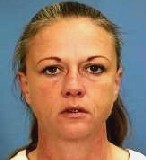
| Forensic Heading / Aliases | Attina Cannaday |
| Legal Identity | Attina Marie Cannaday |
| Confirmed Victims | 1 (Ronald Wojcik; plus the assault and kidnapping of Sandra Sowash) |
| Active Timeline | June 3, 1982 |
| Jurisdiction / Area of Operations | Harrison County, Mississippi, United States |
| Criminological Classification | Capital homicide / Passion-driven crime fueled by rejection and obsessive jealousy (Juvenile offender) |
| Forensic Modus Operandi | Forced or coordinated residential entry, nocturnal knife assault, express kidnapping, and excessive-force homicide |
| Weapon / Mechanism of Death | Kitchen knives / Sharp force trauma and exsanguination |
| Motive / Behavioral Dynamics | Passionate vengeance, extreme jealousy following romantic rejection, and coercive control behavior |
| Judicial Outcome | Sentenced to death in 1983; death sentence reversed in 1984 (Cannaday v. State); resentenced to one life term and two 25-year sentences; paroled on March 9, 2008 |
1. Background and Psychopathy
Attina Marie Cannaday was born on September 8, 1965. Her developmental history was defined by severe domestic instability and neglect, stemming from a broken home in Alabama from which she fled at the age of thirteen. Her early trajectory plunged her into adult environments prematurely; she married at age thirteen and divorced at fourteen, becoming an emancipated minor in practice without any parental guidance. She relocated to the Mississippi Gulf Coast, residing in Gulfport and Biloxi, where she worked in various local lounges as a dancer and barmaid, occasionally supplementing her income through sex work.
2. Crime Spree
While working in the nightlife sector, Cannaday met Ronald Wojcik, a 26-year-old U.S. Air Force Sergeant stationed at Keesler Air Force Base who moonlighted at the Sports Page Bar. Cannaday entered into an intimate relationship with Wojcik, living together ostensibly as a married couple for several weeks. However, upon discovering Cannaday's true minor age (16 years old) and recognizing the severe disciplinary and legal repercussions under military regulations, Wojcik immediately terminated the cohabitation and forced her to vacate his apartment.
Rejection triggered an intense obsessive fixation and bitter resentment in Cannaday, exacerbated when she learned Wojcik had initiated a new relationship with Sandra Sowash. After making numerous verbal threats against Wojcik, Cannaday conspired on the night of June 2, 1982, with an unemployed acquaintance living out of his car, David Gray, and an accidental associate, Dawn Bushart. Following an evening of alcohol and substance consumption, the group traveled to Wojcik's apartment armed with knives retrieved from Gray's vehicle.
3. Investigation and Forensic Pursuit
The assault was carried out with extreme violence in the early morning hours of June 3, 1982. Gaining entry to the apartment, the perpetrators surprised Ronald Wojcik and Sandra Sowash in their bed. Wojcik was lethally stabbed, and both victims were forcefully coerced at knifepoint into Wojcik's work van. Harrison County law enforcement authorities quickly mapped out Cannaday's recent movements, documenting her prior articulated threats to murder Wojcik and executing a swift apprehension of the suspects hours after the homicide.
4. Arrest and Judicial Proceedings
Attina Cannaday was arrested and prosecuted in the Harrison County Circuit Court on charges of robbery, kidnapping, and capital murder. Despite her juvenile status (sixteen years old at the time of the offense), she was tried under adult jurisdiction. In 1983, a trial jury returned a guilty verdict and sentenced her to death by lethal injection, making her one of the youngest individuals condemned to capital punishment in the modern era of the state.
Cannaday's defense team appealed the verdict. In May 1984, the Mississippi Supreme Court (Cannaday v. State, 455 So.2d 713) upheld the conviction but reversed the death sentence due to procedural errors and constitutional concerns regarding the execution of a juvenile offender. Upon remand, she was resentenced to a controlling term of life imprisonment alongside two consecutive 25-year sentences.
5. Psychiatric Evaluation and Outcome
Throughout the judicial proceedings and post-conviction reviews, defense psychiatrists emphasized Cannaday's profound childhood trauma, abandonment, and the neurodevelopmental vulnerabilities associated with her youth during the commission of the crime. Her case served as partial thematic inspiration for cultural adaptations, notably the 1990 television film Too Young to Die? starring Juliette Lewis and Brad Pitt, which critically explored the ethics of juvenile capital punishment.
After serving over two decades at the Central Mississippi Correctional Facility, and following periodic administrative and behavioral reviews, Attina Cannaday was granted formal parole on March 9, 2008, successfully reintegrating into society under supervision.