




Forensic & Criminological Matrix
| Parameter | Forensic Detail |
|---|---|
| Forensic Heading / Aliases | The Lone Axe Murderess |
| Legal Identity | Phoebe Campbell (née McWain) |
| Confirmed Victims | 1 (George Campbell, her husband) |
| Active Timeline | July 15, 1871 |
| Jurisdiction / Area of Operations | Thorndale, West Nissouri Township, Middlesex County, Ontario, Canada |
| Criminological Classification | Passion-motivated parricide / Criminal conspiracy |
| Forensic Modus Operandi | Simulation of a home invasion followed by brutal bludgeoning using a blunt/sharp instrument (axe) in collusion with an accomplice |
| Weapon / Mechanism of Death | Axe and carving knife / Severe craniocerebral trauma |
| Motive / Behavioral Dynamics | Extramarital affair with farmhand Thomas Coyle and intent to eliminate the spouse to enable marriage |
| Judicial Outcome | Sentenced to death by hanging at the London jail in Ontario; executed on June 20, 1872 |
1. Background and Psychopathy
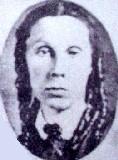
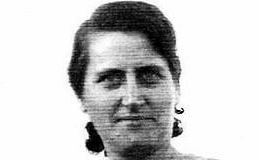
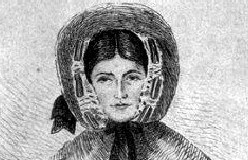
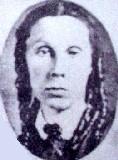
Phoebe Campbell was born around 1847 in Canada. She lived with her husband, farmer George Campbell, and their two young children in a log cabin located in a rural area near Thorndale, Middlesex County, Ontario. To Victorian society, they appeared to be a conventional farming family, but behind closed doors, marital tensions existed, exacerbated by Phoebe's clandestine affair with Thomas Coyle, a young local farmhand. This dynamic fostered a criminal conspiracy aimed at eliminating the head of the household so the lovers could legally unite.
2. Crime Spree
In the early hours of July 15, 1871, the peace of the Campbell cabin was violently shattered. According to the plan orchestrated by Phoebe and Thomas Coyle, a staged nocturnal burglary involving supposed intruders with blackened faces was enacted. Phoebe initially claimed that two unknown men broke in demanding money from George Campbell and that, following his refusal and a misfired firearm, a struggle ensued in which she handed her husband an axe for self-defense.
However, forensic reconstruction revealed a vastly different reality: the axe and a carving knife were used with extreme violence against George, crushing his skull and causing instant death amidst a blood-drenched interior. Throughout the assault, Phoebe maintained a passive and compliant posture, offering no real resistance or aid to the victim, thereby facilitating the execution of the homicide by her accomplice.
3. Investigation and Forensic Hunt
The alibi of the masked intruders quickly collapsed under rigorous police and forensic examination. Investigators and the coroner's inquest identified glaring inconsistencies: Phoebe's inexplicable passivity during the attack, her abnormal emotional detachment following her husband's funeral, and neighbor testimonies placing her in clandestine conversation with Thomas Coyle the day after the murder.
The recovery of the body and the crime scene inspection demonstrated that the burglary narrative was a fabrication. Coyle and Phoebe herself were arrested alongside other local suspects. During interrogations, Phoebe displayed an erratic and manipulative posture: she initially proclaimed absolute innocence with disdain ("I don't care. I'm innocent and I don't care"), subsequently accused Thomas Coyle, retracted her statement to blame a cousin, and even claimed her late husband's ghost visited her to declare both Coyle and herself innocent.
4. Trial and Judicial Process
Phoebe Campbell's trial began on April 1, 1872, in London, Ontario, generating massive media attention across Canada and the United States. The Crown prosecutor dismantled the defendant's fabrications by presenting irrefutable documentary evidence, including a handwritten letter from Phoebe to Coyle demonstrating their criminal pact ("I never shall say you done any such thing again - if I have to die for it").
Facing overwhelming testimonial and forensic proof, the jury deliberated for just one hour before returning a unanimous guilty verdict for murder. Upon hearing the death sentence pronounced by the judge, Phoebe burst into tears. While incarcerated on death row in May 1872, she signed an eight-page detailed confession admitting that she and Coyle conspired and murdered her husband so they could marry. Meanwhile, Thomas Coyle was tried separately and acquitted due to lack of direct evidence, subsequently moving to England.
5. Psychiatric Assessment and Aftermath
From a criminological standpoint, Phoebe Campbell's case represents a paradigmatic instance of instrumental parricide motivated by the elimination of a marital obstacle for interpersonal and passionate gain. Her post-offense conduct reflected emotional coldness and a pronounced defensive fabulation tendency, while remaining fully cognizant of her actions.
Phoebe Campbell entered Canadian judicial history as the first woman executed following Confederation and the sole woman in Middlesex County to pay for a crime with her life. On June 20, 1872, in the London jailyard in Ontario, she was hanged at the age of 25. Contemporary journalists noted that she walked to the gallows without a trace of emotion, holding a lace handkerchief until after the trap sprung. The case captivated public interest to the extent that souvenir postcards depicting the crime were widely purchased.