



Forensic & Criminological Matrix
| Parameter | Forensic Detail |
|---|---|
| Full Legal Name | Lila Gladys Young |
| Birth Legal Identity | Lila Gladys Coolen |
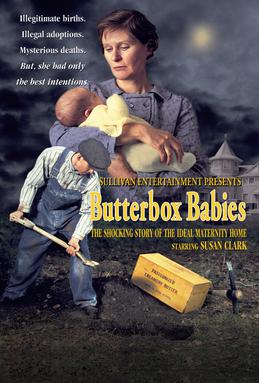
| Historical Epithet | The Matron of the Ideal Maternity Home / The "Butterbox Babies" Scandal |
| Date of Birth | March 25, 1897 |
| Place of Birth | Nova Scotia, Canada |
| Date of Death | August 1, 1967 (aged 70) |
| Place of Death | Quebec, Canada |
| Legal Cause of Death | Complications from leukemia |
| Procedural Status | Convicted of child-placement fraud and sanitation violations; murder charges unfiled due to forensic skeleton degradation |
| Proven Victims | At least 4 infant deaths documented in official inquiry registers |
| Suspected Fatalities | Between 100 and 400 infants starved to death |
| Criminological Classification | Systematic baby farming / Lethal neglect and active deprivation of care |
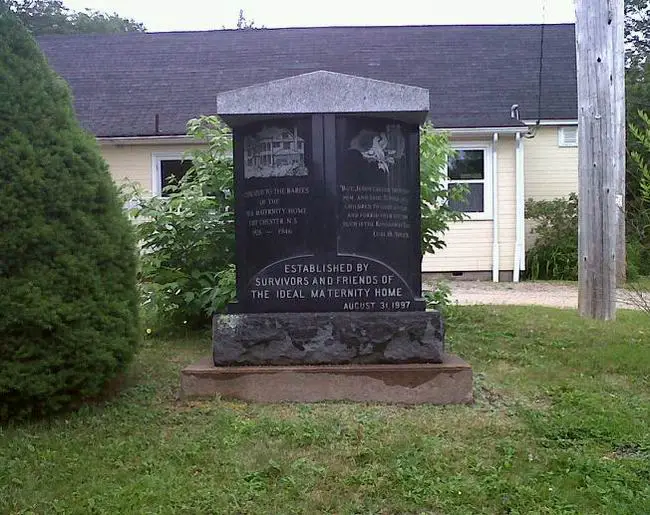
| Operational Entity | Ideal Maternity Home (East Chester, Nova Scotia) |
| Criminogenic Motive | Mercenary commercial extortion and illicit cross-border infant trafficking |
Criminological Profile & Background
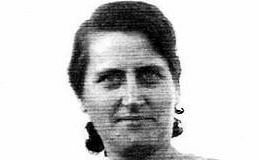
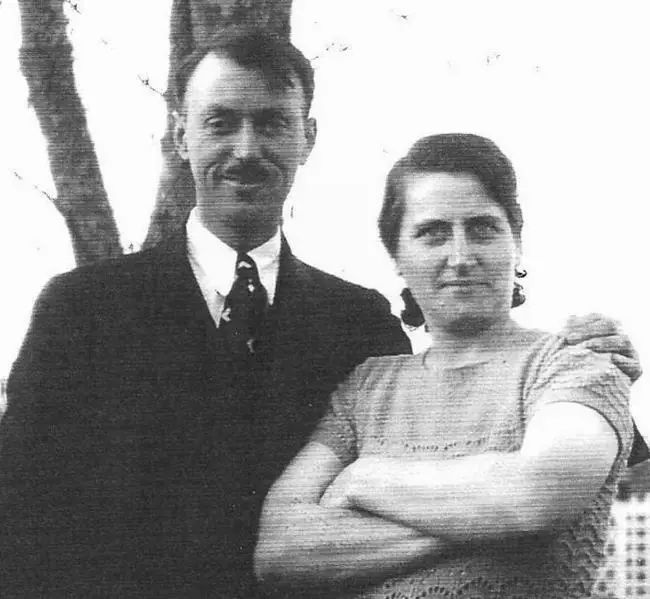
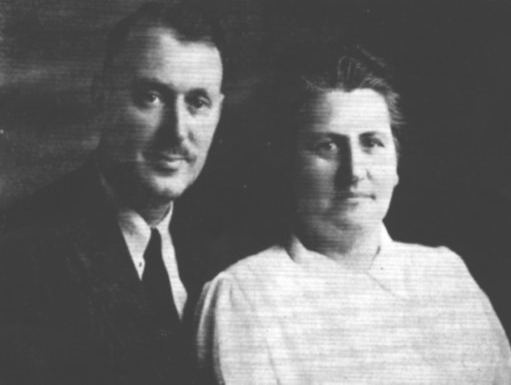
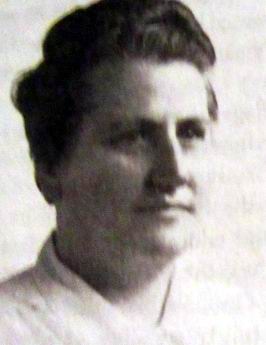
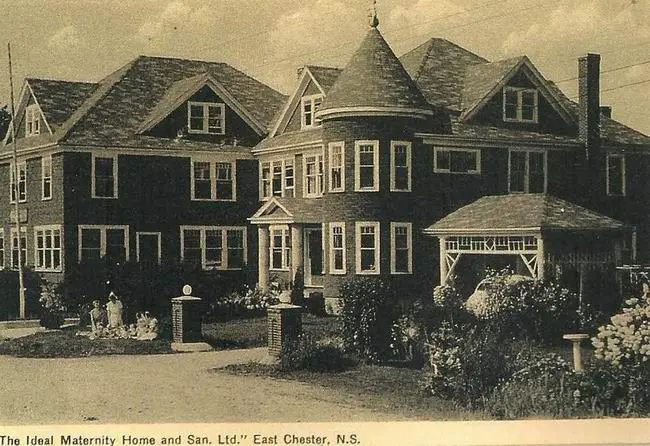
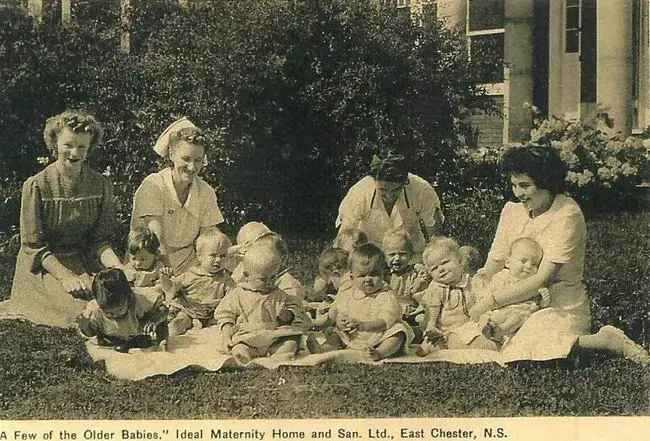
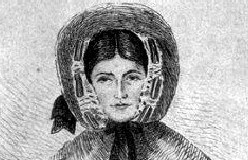
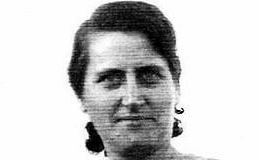
Lila Gladys Young was a licensed midwife practicing in Nova Scotia, Canada. Alongside her husband William Peach Young, an unordained Seventh-day Adventist minister and chiropractor, she founded a private maternity enterprise in East Chester in 1928, subsequently styled the Ideal Maternity Home (IMH).
The facility marketed itself as a discrete refuge for unwed pregnant mothers seeking to escape the intense social and religious stigma of the era. Expectant mothers paid substantial fees (around $500) or performed rigorous indentured domestic service to satisfy birth expenses.
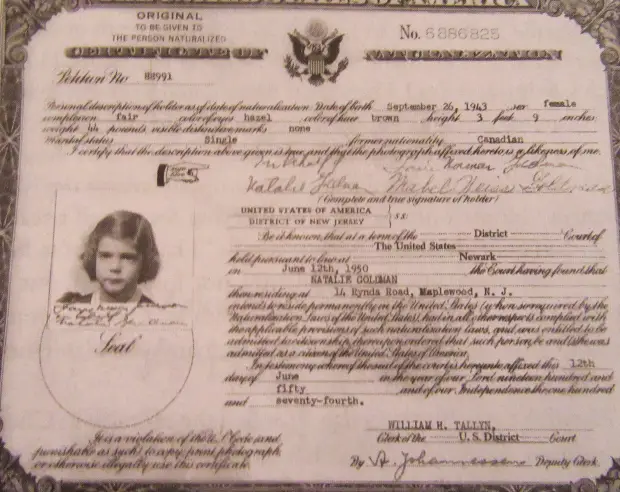
During World War II, with the nearby port of Halifax operating as a massive assembly point for North Atlantic convoys, the influx of unmarried expectant mothers expanded drastically. The Youngs leveraged this situation into a thriving black-market adoption ring, charging wealthy couples from New York and New Jersey up to $10,000 to acquire babies outside restrictive adoption codes.
Fatal Starvation Protocol: The Butter Box Burials
Infants perceived as lacking market appeal—those born with physical anomalies, cognitive deficits, severe low birth weight, or unmarketable traits—were categorized as "unadoptable."
Sworn testimony from former attendants demonstrated that these newborns were isolated from routine nursing care. Placed on an intentional starvation regimen of water and molasses, the infants typically suffered fatal physiological decompensation, dehydration, and sepsis within two weeks.
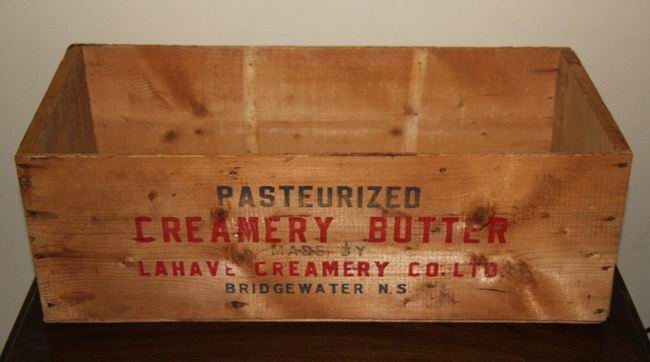
To conceal the demises without generating statutory death registrations, the staff placed infant corpses inside wooden grocery crates originally manufactured to transport dairy butter (butter boxes). The makeshift caskets were interred in clandestine plots across adjoining farmland, discarded at sea, or incinerated within the home's heating furnace.
Official Inquiries, Civil Defeat, and Reform
By the mid-1940s, alarmingly disproportionate infant mortality statistics prompted intervention by Nova Scotia's child welfare and health authorities. Provincial Health Minister Dr. Frank Davis publicly exposed the egregious mortality rates and unsanitary conditions at the home.
In 1946, the Youngs initiated a civil libel lawsuit against Davis. The trial transformed into an indictment of their enterprise: medical witnesses, health inspectors, and mothers delivered devastating testimony regarding coerced adoptions and intentional starvation diets. The court dismissed the libel claim with prejudice, and the provincial government permanently shuttered the facility.
Although skeletal remains were subsequently unearthed on the grounds, forensic limitations of the era prevented prosecutors from establishing individual causes of death beyond a reasonable doubt for capital murder indictments. The Youngs were convicted on multiple counts of illegal adoption brokering and fraud before relocating to Quebec. Lila Young died of leukemia in 1967. The case became a catalyst for modern Canadian adoption law reforms and child protection legislation.