



Forensic & Criminological Matrix
| Parameter | Forensic Detail |
|---|---|
| Full Legal Name | Elizabeth Brownrigg |
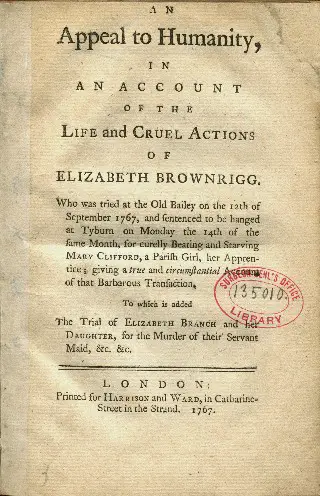
| Judicial Matter | Old Bailey Proceedings / London Sessions Papers (September 1767) |
| Date of Birth | c. 1720, Great Britain |
| Date & Cause of Death | September 14, 1767; judicial execution by hanging at Tyburn |
| Historical Jurisdiction | Flower de Luce Court, Fleet Street / London, England |
| Confirmed Homicide Victims | 1 legally established (Mary Clifford, approximately 15 years old) |
| Total Subjected Victims | 3 domestic parish apprentices (Mary Clifford, Mary Mitchell, Mary Jones) |
| Date of Victim Fatality | August 9, 1767 (at St. Bartholomew's Hospital) |
| Lethal Pathology | Generalized cumulative physical trauma, severe inanition, and septic shock |
| Criminogenic Mechanism | Institutional custodial abuse, sadism, and disproportionate punitive violence |
| Legal Historical Impact | Accelerated oversight and legislative reform governing parish apprenticeships |
Social Setting and the Apprenticeship System
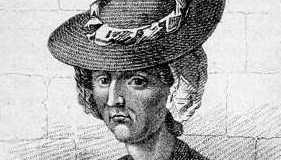
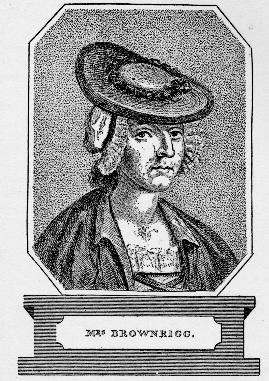
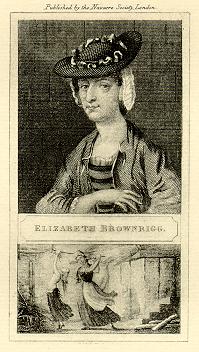
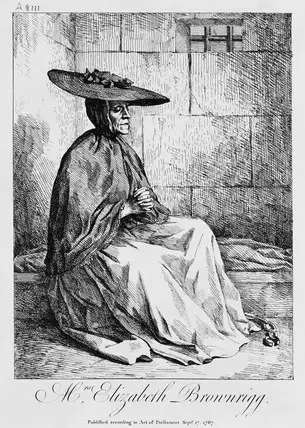
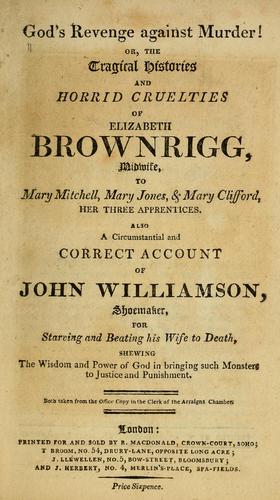
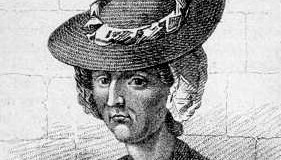
Elizabeth Brownrigg is the subject of one of the most prominent 18th-century criminal proceedings in English legal history. Married to a London plumber and serving as an officially appointed parish midwife, Brownrigg utilized the contemporary apprentice system to obtain young female servants from London parish workhouses and the Foundling Hospital.
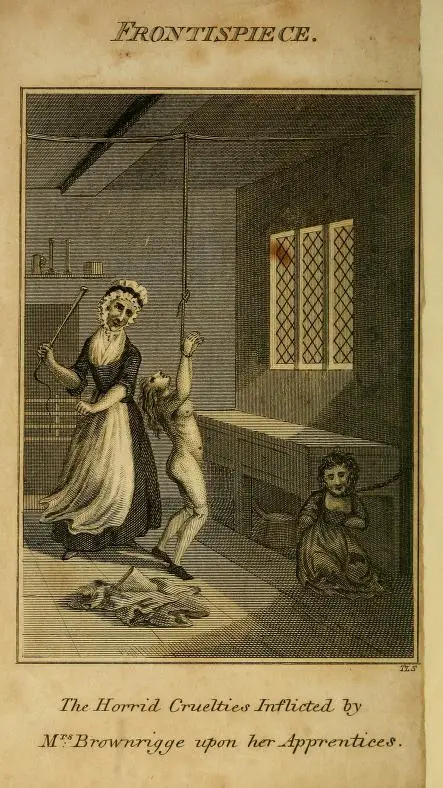
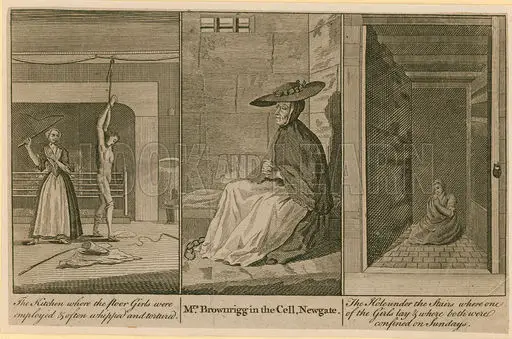
Beginning in 1765 at her home on Flower de Luce Court, off Fleet Street, Brownrigg took into custody Mary Jones, Mary Mitchell, and Mary Clifford. Rather than providing educational apprenticeship and basic subsistence, Brownrigg subjected the girls to sustained deprivation of food, prolonged sensory confinement, and recurring severe corporal punishments.
Fatal Abuse and Medical Intervention
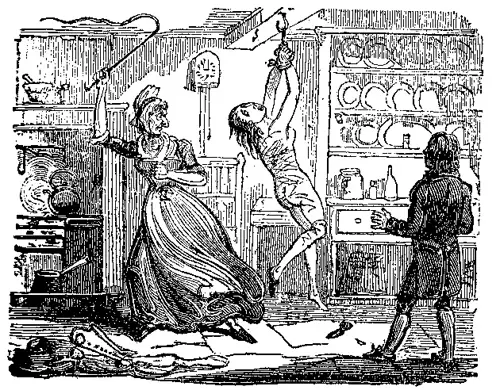
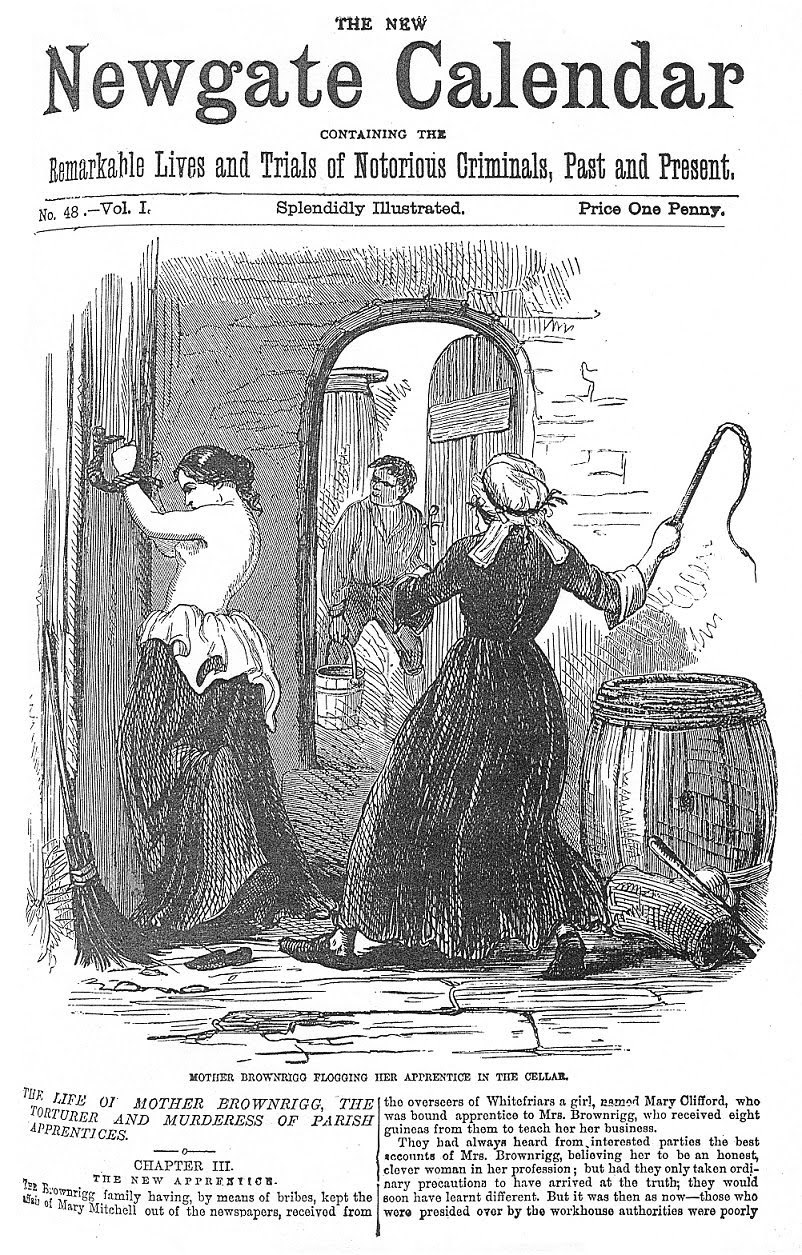
Mary Clifford, a parish orphan aged approximately fifteen, endured particularly severe maltreatment throughout the summer of 1767. She was systematically confined inside a subterranean coal cellar, forced to sleep on bare flagstones, and repeatedly lashed while restrained to structural joists in the scullery.
In early August 1767, alerted by neighbor reports and the inquiries of Clifford’s stepmother, parish overseers conducted an unannounced search of the premises. They located Clifford hidden in an upstairs cupboard in a semi-conscious state of extreme emaciation, with extensive infected ulcerations across her body. She was admitted to St. Bartholomew’s Hospital, where she succumbed to systemic sepsis on August 9, 1767.
Old Bailey Adjudication, Execution, and Legacy
Following a brief flight from authorities, Elizabeth Brownrigg was apprehended at an inn in Wandsworth. Her trial took place in September 1767 at the Old Bailey. Comprehensive medical testimony from examining physicians and harrowing eyewitness testimony from surviving apprentice Mary Mitchell confirmed the premeditated, cumulative nature of the fatal injuries.
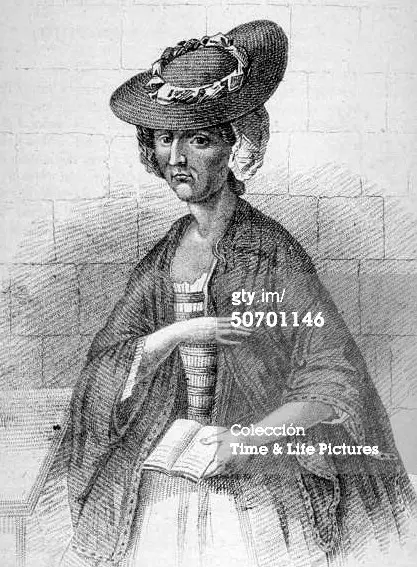
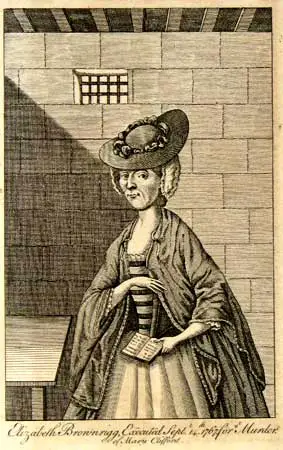
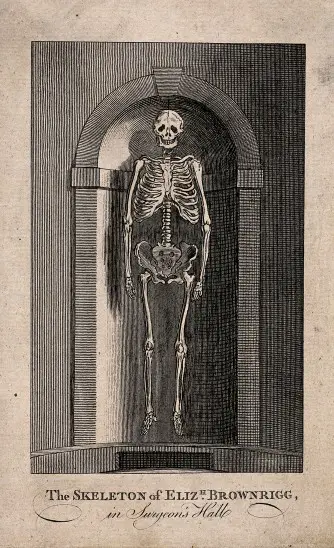
The jury returned a verdict of guilty of willful murder against Elizabeth Brownrigg, while acquitting her husband and son of the capital count as accessories. On September 14, 1767, Brownrigg was transported from Newgate Prison to the Tyburn gallows and publicly executed by hanging. Her remains were subsequently dissected at Surgeons’ Hall pursuant to the Murder Act 1752. The case became a major catalyst for public scrutiny and early legislative protections for impoverished apprentice labor in England.