




Forensic & Criminological Matrix
| Parameter | Forensic Detail |
|---|---|
| Forensic Heading / Aliases | Henry Newton Brown / Henry Brown |
| Legal Identity | Henry Newton Brown |
| Confirmed Victims | 1 (Medicine Valley Bank President) |
| Attributed / Indicted Victims | 6 (including Lincoln County War engagements and robberies) |
| Active Timeline | 1878 - 1884 |
| Jurisdiction / Area of Operations | New Mexico, Texas, and Kansas, USA |
| Criminological Classification | Old West gunman, outlaw, and corrupt peace officer |
| Forensic Modus Operandi | Coordinated armed raids on financial institutions using lethal handguns and Winchester repeaters |
| Weapon / Mechanism of Death | Handguns and Winchester repeating rifle |
| Motive / Behavioral Dynamics | Financial gain, mounting debts, and recidivism from law enforcement to banditry |
| Judicial Outcome | Shot and killed by a lynch mob following an escape attempt on April 30, 1884 |
1. Background and Profile
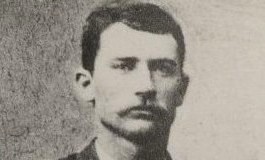
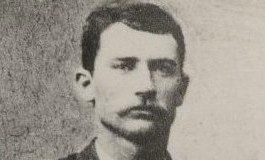
Born in 1857, Henry Newton Brown was orphaned at an early age and raised by relatives in Rolla, Missouri. At seventeen, he headed west to work as a cowboy in Colorado and Texas, quickly developing proficiency with firearms and establishing connections within frontier outlaw networks.
2. Crime Spree
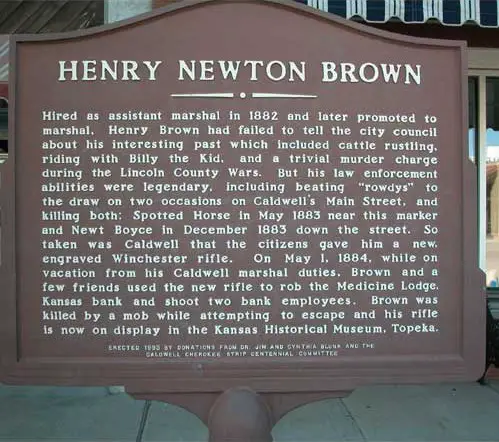
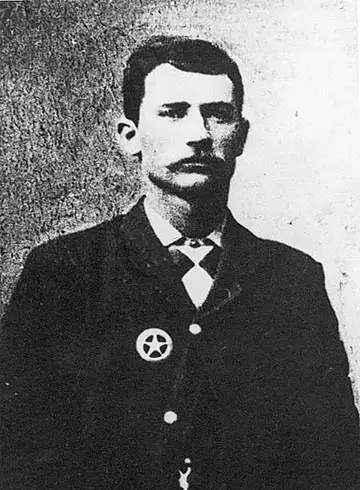
Brown relocated to Lincoln County, New Mexico, joining the Regulators alongside Billy the Kid during the Lincoln County War. He took part in the assassination of Sheriff William Brady in 1878. Years later, after transitioning into a respected lawman and serving as marshal in Caldwell, Kansas, Brown accumulated severe debts that drove him back to his criminal roots.
3. Investigation and Arrest
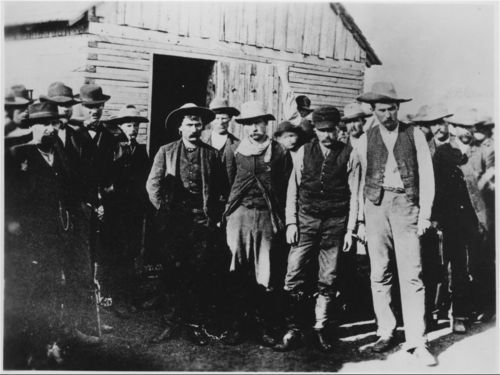
On April 30, 1884, Brown and three associates attempted to rob the Medicine Lodge Bank in Kansas. Brown fatally shot the bank president during the raid, while a wounded cashier managed to lock the vault before dying. The gang fled but was cornered in a box canyon by an armed posse and forced to surrender.
4. Legal Proceedings and Outcome
Imprisoned in Medicine Lodge amid chants of a lynch mob, Brown managed to slip his handcuffs overnight. When the jail was breached, he attempted a desperate escape through an alleyway and was immediately gunned down at close range by a vigilant local farmer with a shotgun.
5. Behavioral Dynamics and Conclusion
Brown's trajectory illustrates a classic recidivist pattern within the frontier underworld, where social adaptation failed under financial stress. His psychological profile combines operational competence with reckless impulse, leading directly to his violent demise.