



Forensic & Criminological Matrix
| Parameter | Forensic Detail |
|---|---|
| Forensic Heading / Aliases | John Wesley Brown |
| Legal Identity | John Wesley Brown |
| Confirmed Victims | 1 (Wesley Brown) |
| Attributed / Indicted Victims | 1 |
| Active Timeline | June 10, 1990 |
| Jurisdiction / Area of Operations | Philadelphia, Pennsylvania, United States |
| Criminological Classification | Patricide / Violent Offender |
| Forensic Modus Operandi | Verbal altercation escalating to armed assault with a .38 caliber handgun, crime scene staging, theft of cash, and interstate flight |
| Weapon / Mechanism of Death | .38 caliber handgun |
| Motive / Behavioral Dynamics | Family and financial dispute regarding vehicle usage |
| Judicial Outcome | Sentenced to death in July 1991 (subject to prolonged appellate review) |
1. Background and Profile
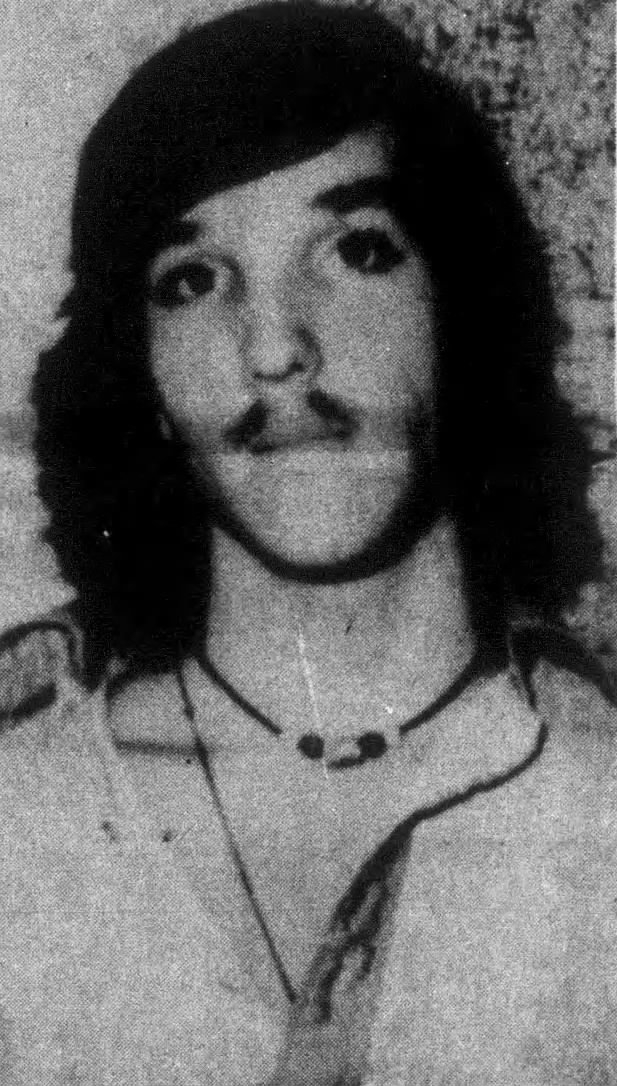
John Wesley Brown was born in 1946 in the United States. His background was characterized by domestic instability and chronic friction with his 77-year-old father, Wesley Brown, with whom he resided in Philadelphia. Criminological assessment points to domestic stress exacerbated by financial friction and disputes over John's utilization of his father's vehicle for unauthorized taxi services.
2. Crime Spree
On June 10, 1990, an argument erupted between John Wesley Brown and his father inside their Philadelphia home over the use of the car. Brown retrieved a .38 caliber pistol and shot his father four times, leaving him to bleed to death. Following the homicide, Brown engaged in staging behaviors: he placed a .357 magnum revolver near the victim's body to fabricate a self-defense narrative, stole $400 from his father's wallet, and fled in his father's car toward Georgia, discarding the murder weapon out of the window while driving through Maryland.
3. Investigation and Arrest
A neighbor who heard the gunfire notified a family member, prompting a wellness check. When the victim's granddaughter called the residence, Brown answered and falsely claimed his grandfather was outside. Police quickly circulated alerts regarding the stolen vehicle and the homicide suspect. Two days post-crime, law enforcement intercepted Brown at a roadside checkpoint in Georgia. Computer checks revealed an expired license, a stolen vehicle flag, and an active murder warrant from Pennsylvania.
4. Legal Proceedings and Outcome
Upon apprehension, Brown confessed to shooting his father but claimed self-defense, alleging the older man threatened him first. Forensic evaluation of the crime scene and ballistics dismantled his claims of self-defense. On July 25, 1991, a Pennsylvania court convicted John Wesley Brown of first-degree murder and sentenced him to death.
5. Behavioral Analysis and Conclusion
Psychiatric evaluations indicated no major debilitating psychoses, attributing the violence instead to situational rage, poor impulse control, and acute domestic grievances. The case subsequently navigated years of appellate litigation within the Pennsylvania penal and judicial system.