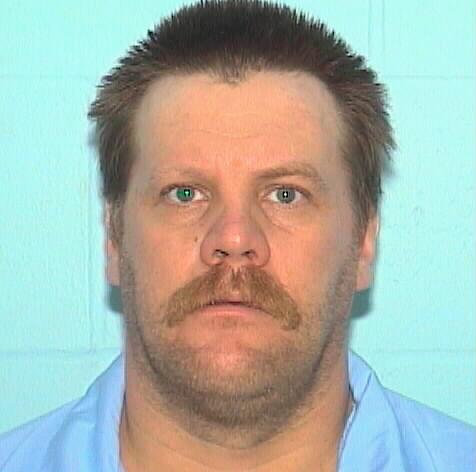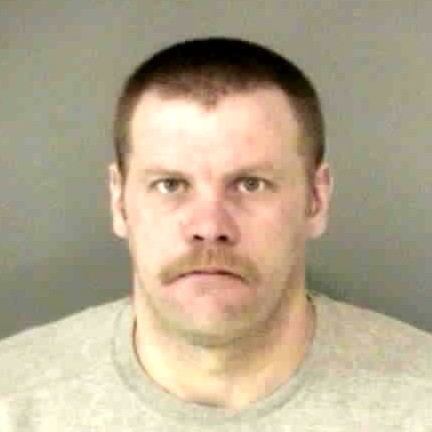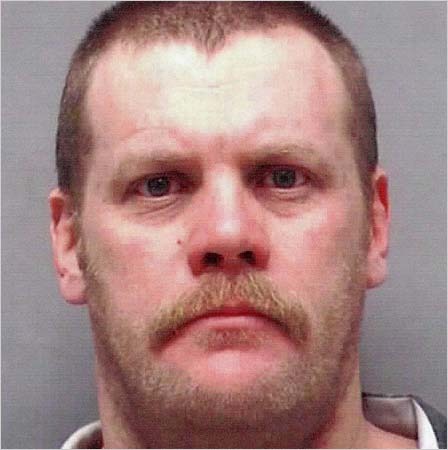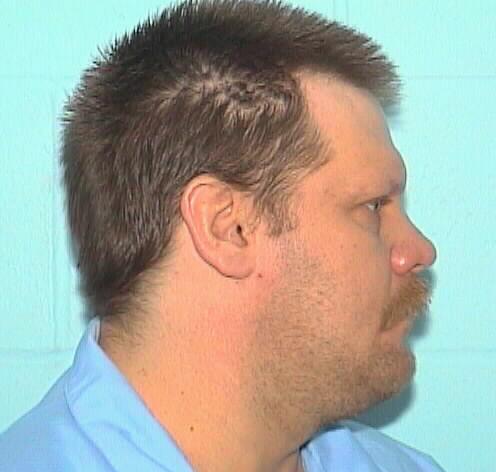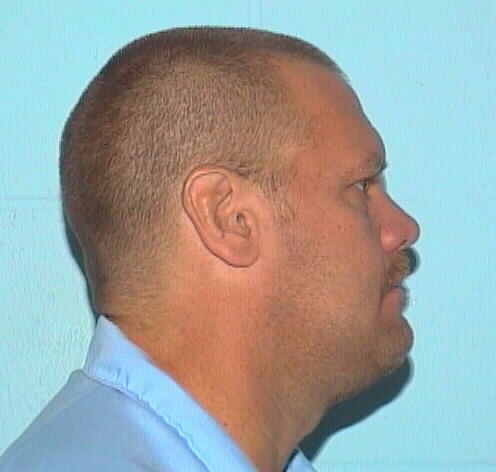




Forensic & Criminological Matrix
| Parameter | Forensic Detail |
|---|---|
| Forensic Heading / Aliases | The Bonecrusher |
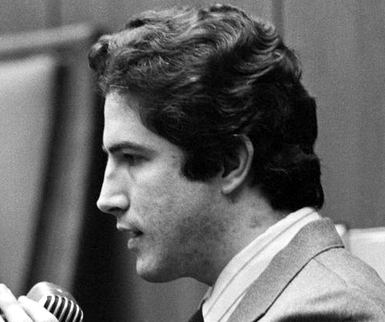
| Legal Identity | Larry Dean Bright |
| Confirmed Victims | 8 |
| Attributed / Indicted Victims | 8 |
| Active Timeline | 2003 - 2004 |
| Jurisdiction / Area of Operations | Peoria and Tazewell County, Illinois, United States |
| Criminological Classification | Serial killer |
| Forensic Modus Operandi | Abduction and murder of vulnerable women, subsequent incineration of bodies in his backyard, and mechanical destruction of remaining bone fragments with a hammer. |
| Weapon / Mechanism of Death | Strangulation / trauma / fire and hammer |
| Motive / Behavioral Dynamics | Paraphilic sexual deviance and racialized pornography fixation |
| Judicial Outcome | Convicted in May 2006 to multiple natural life sentences without the possibility of parole following a guilty plea agreement. |
1. Background and Profile
Larry Dean Bright was born in 1966 in Illinois. Operating primarily out of Peoria during his adult life, Bright maintained a low profile while harboring extreme paraphilic fixations. Investigators later revealed that he possessed a morbid fascination with sex and pornography involving Black women, a racial preference that heavily influenced his selection of prey from vulnerable demographics.
2. Crime Spree and Modus Operandi
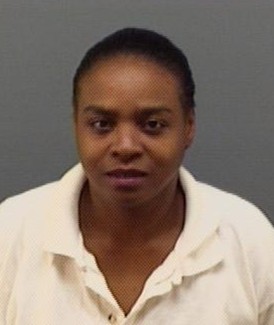
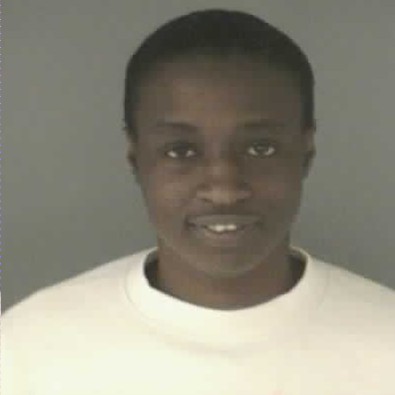
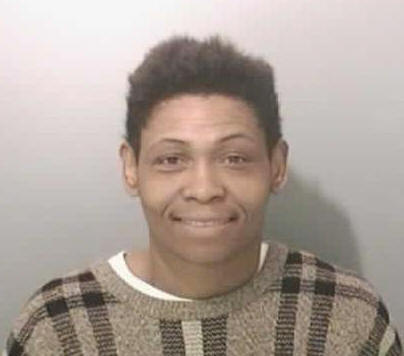
Between July 2003 and October 2004, Bright murdered at least eight women aged 30 to 41 in central Illinois. His victims were predominantly Black women, several of whom worked as sex workers or struggled with substance abuse. Bright's gruesome modus operandi involved luring or capturing the victims, murdering them, and incinerating their bodies in his backyard to ash. To ensure total destruction of evidence, he reportedly used a hammer to crush the remaining bone fragments into unidentifiable particles, earning him the moniker "The Bonecrusher."
3. Investigation and Forensic Pursuit
The prolonged disappearance of multiple women from Peoria sparked severe public outcry and intense scrutiny from local minority advocacy groups over the pace of the investigation. Law enforcement eventually gathered decisive physical and forensic evidence linking Bright to the disappearances. Searches of his residential property uncovered crucial traces of human remains and incineration residue, leading to his definitive identification and capture.
4. Legal Proceedings and Outcome
On May 30, 2006, Larry Bright pleaded guilty to seven counts of first-degree murder and one count of drug-induced homicide as part of a plea agreement that spared him the death penalty. He was sentenced to natural life in prison without the possibility of parole on each murder count, running concurrently, alongside a 30-year sentence for the drug charge. Per the plea terms, he waived all rights to appeal, guaranteeing he would die behind bars.
5. Psychological Assessment and Aftermath
Bright offered no spoken statement in court, though his defense counsel read an apology acknowledging his commission of unthinkable acts and expressing remorse for the families. The case stands as a chilling reminder of predator exploitation against marginalized communities and remains a landmark prosecution in central Illinois legal history.