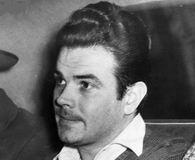




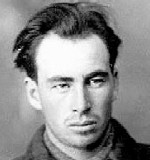

Forensic & Criminological Matrix
| Parameter | Forensic Detail |
|---|---|
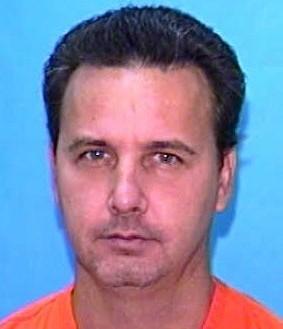
| Forensic Heading / Aliases | James Michael Briddle (Alias: "Cosmo") |
| Legal Identity | James Michael Briddle |
| Confirmed Victims | 2 (Robert Banks and Bob Skeens) |
| Active Timeline | February 23–24, 1980 |
| Jurisdiction / Area of Operations | Houston, Texas, United States |
| Criminological Classification | Multiple murderer / Prison gang-affiliated recidivist offender |
| Forensic Modus Operandi | Hitchhiking ruse to gain entry into victim's home, physical ambush utilizing firearms, binding victims with nylon ropes, and collaborative strangulation with accomplices. |
| Weapon / Mechanism of Death | Shotgun, machete, nylon rope / Ligature strangulation (mechanical asphyxia) |
| Motive / Behavioral Dynamics | Robbery, pecuniary gain, instrumental violence linked to prison gang subculture (Aryan Brotherhood) |
| Judicial Outcome | Sentenced to death in Texas in 1982; executed by lethal injection on December 13, 1995, in Huntsville. |
1. Background and Profile
James Michael Briddle was born in 1955 and accumulated an extensive criminal history from his youth, including juvenile detentions and prison sentences in California for theft and forgery. While incarcerated in the California penal system, Briddle aligned himself with the white supremacist prison gang known as the Aryan Brotherhood. Defense attorneys and prison chaplains later described his personality as intensely cold, hypervigilant, and articulate, displaying intimidating courtroom behavior and profound psychopathic traits. Within the correctional system, he was known by the moniker "Cosmo."
2. Crime Spree
In February 1980, Briddle, his then-wife Linda Joyce Fletcher, and companion Pamela Perillo were hitchhiking near the Astrodome in Houston, Texas, when they were picked up by 30-year-old Robert Banks, who offered them shelter, food, and assistance. Recognizing that Banks possessed significant amounts of cash and firearms, the trio planned an armed robbery. On February 24, 1980, awaiting the return of Banks and his friend Bob Skeens, Briddle and Perillo prepared an ambush.
When the victims returned, Briddle assaulted Banks with the butt of a shotgun while Perillo threatened them. Armed with a machete, Perillo cut nylon rope, and both offenders bound Banks and Skeens. Briddle stole eight hundred dollars from Banks's wallet and ransacked the house. Subsequently, Briddle and Perillo looped ropes around the victims' necks and pulled jointly, causing death by mechanical asphyxiation after a prolonged struggle. The perpetrators fled in one of the victims' vehicles toward Colorado.
3. Investigation and Arrest
When Robert Banks failed to report for work, supervisors investigated his residence on February 27, 1980, discovering the bodies of Banks and Skeens. The breakthrough arrived on March 3, 1980, in Denver, Colorado, when Pamela Perillo, following a dispute with Briddle, voluntarily contacted local police to confess her involvement in the murders.
Denver authorities raided the hotel room where Briddle, Fletcher, and others were staying, recovering stolen items. A Houston detective traveled to Denver and obtained an oral confession from Briddle, in which he admitted to participating in the restraint and pulling the rope around Robert Banks's neck.
4. Legal Proceedings and Outcome
Extradited to Texas, Briddle was indicted on two counts of capital murder committed during a robbery. The trial commenced in February 1982 under Judge Perry Pickett, with prosecutors proceeding primarily on the capital murder charge involving Robert Banks. Despite defense efforts across multiple appellate tiers, including the U.S. Court of Appeals for the Fifth Circuit and the Supreme Court, his conviction and death sentence were consistently upheld.
5. Psychiatric Assessment and Execution
Forensic evaluations and legal records highlighted Briddle's total lack of remorse and adherence to violent prison gang codes. During his time on death row, he was implicated in serious disciplinary infractions, including a 1984 cell firebombing that severely injured another inmate.
On December 13, 1995, following the exhaustion of all appeals and stays, James Michael Briddle was executed by lethal injection at the Huntsville Unit in Texas. Technical complications arose during the intravenous line placement, extending the procedure until his death was officially pronounced at age 40.