




Forensic & Criminological Matrix
| Parameter | Forensic Detail |
|---|---|
| Forensic Heading / Aliases | Elizabeth and Mary Branch (The Somerset Murderesses) |
| Legal Identity | Elizabeth Branch (c. 1673–1740) and Mary Branch (1716–1740) |
| Confirmed Victims | Jane Buttersworth (1 primary murder conviction; multiple historical suspicions) |
| Active Timeline | Until February 1740 |
| Jurisdiction / Area of Operations | Philips Norton, Somersetshire, England, United Kingdom |
| Criminological Classification | Dyadic female murderers / Domestic torture and systemic abuse perpetrators |
| Forensic Modus Operandi | Extreme physical brutality, whipping with twigs and broomsticks, food deprivation, exposure to elements, and application of salt to open wounds |
| Weapon / Mechanism of Death | Wooden branches, broomsticks, blunt force trauma, and severe physical battery |
| Motive / Behavioral Dynamics | Domestic sadism, psychopathological loss of control over vulnerable domestic staff, sadomasochistic behavioral reinforcement |
| Judicial Outcome | Condemned to death by hanging at the Taunton assizes; executed in Ilchester on May 3, 1740 |
1. Background and Psychopathy
Elizabeth Branch was born around 1673 in Philips Norton, Somersetshire. Since her childhood, historical accounts documented a distinctly cruel and authoritarian disposition. She married a wealthy farmer named Branch, characterized by contemporaries as a humane and just man, standing in sharp contrast to his wife's tyrannical behavior. The couple had a daughter, Mary, born in 1716, who closely emulated her mother's violent and sadistic conduct.
Following the death of Mr. Branch, Elizabeth and Mary assumed absolute control of the household. Due to their notorious reputation for abusing servants—subjecting them to physical assaults and denying basic necessities—all free domestic staff abandoned the residence. Consequently, the perpetrators were restricted to hiring impoverished orphan girls and casual vagrants placed by parish authorities.
2. Crime Spree
The apex of the mother-daughter duo's sadistic violence culminated in the torture and murder of Jane Buttersworth, a thirteen-year-old orphan girl from Bristol placed in their service by parish officers. Jane, described as slow-witted, became the primary target of their manic cruelty.
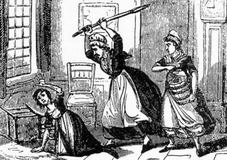
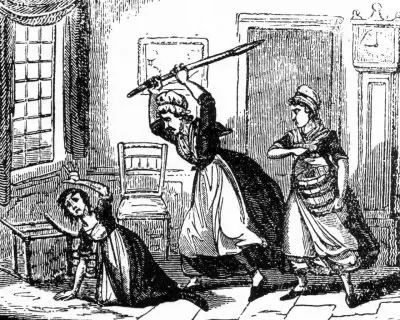
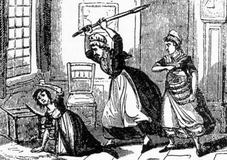
On February 13, 1740, after being sent to purchase yeast and returning later than required, Jane offered an excuse that triggered a violent assault. Mary struck her violently on the head and pinched her ears, while both women threw her to the ground. Mary knelt on the victim's neck as Elizabeth whipped her with twigs until blood pooled on the floor. Subsequently, using one of the girl's shoes, they beat her mercilessly. To culminate the torture, they poured water over her and rubbed salt into her open wounds. Jane Buttersworth succumbed to her extensive injuries.
3. Crime Spree and Forensics
Following the homicide, the perpetrators attempted concealment by forcing the farm's dairymaid, Ann Somers, to sleep next to the corpse on the night of the murder. Later, they dragged the body into a nearby field for clandestine burial.
However, neighborhood suspicions—fueled by Elizabeth's dark reputation and anomalous occurrences near the grave—prompted a formal coroner's inquiry. The body was exhumed, and surgeon Mr. Salmon examined the remains, certifying that the victim had suffered multiple mortal wounds. Ann Somers, fearing for her safety, reported the crime to local authorities, leading to the immediate arrest of both women.
4. Crime Spree and Judicial Proceedings
Elizabeth and Mary Branch were tried at the assizes held in Taunton in March 1740. During the six-hour trial, detailed testimonies exposed their systemic brutality against servants, with Ann Somers acting as the principal witness. Additional dark rumors surfaced regarding the suspicious deaths of Elizabeth's husband and mother, alongside human skeletal remains discovered in a farm well.
The jury returned a guilty verdict, and the court sentenced both women to death. Due to intense public outrage and threats from local residents to tear the defendants apart, they were secretly transferred to Ilchester jail for safe custody.
5. Psychiatric Evaluation and Outcome
From a modern criminological standpoint, the case represents an extreme manifestation of shared domestic sadism and intergenerational psychopathy, wherein the maternal figure served as a catalyst for entrenched behavioral deviance.
On May 3, 1740, before 6:00 a.m., the condemned women were transported to Gallows Field under heavy guard. Upon discovering that the original gibbet had been sabotaged by locals, carpenters hastily erected a new one. Elizabeth confessed her crimes at the gallows while her twenty-four-year-old daughter wept bitterly. Both women were left hanging for over an hour, concluding one of the most grim chapters in 18th-century British forensic history.