Forensic & Criminological Matrix
| Parameter | Forensic Detail |
|---|---|
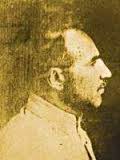
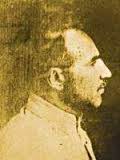
| Forensic Heading / Aliases | Asghar the Murderer |
| Legal Identity | Ali Asghar Borujerdi |
| Confirmed Victims | 33 |
| Attributed / Indicted Victims | 33 |
| Active Timeline | 1927-1934 |
| Jurisdiction / Area of Operations | Baghdad (Iraq) and Tehran (Iran) |
| Criminological Classification | Sexual predator serial killer |
| Forensic Modus Operandi | Abduction, sexual assault, and homicide to eliminate witnesses |
| Weapon / Mechanism of Death | Strangulation, drowning, blunt force |
| Motive / Behavioral Dynamics | Sexual predation and witness elimination |
| Judicial Outcome | Death penalty by hanging |
1. Background and Profile
Born in 1893 in Borujerd, Iran, Ali Asghar Borujerdi migrated to Iraq as a child. His criminal career began in Baghdad, where he developed a pattern of targeting vulnerable adolescent males.
2. Criminal Career and Modus Operandi
Borujerdi confessed to killing 25 boys in Baghdad and 8 in Tehran. He utilized his status as a laborer to lure victims, subsequently murdering them to ensure they could not testify against him, often disposing of bodies in ways that hindered early forensic identification.
3. Investigation and Arrest
After fleeing Baghdad in 1933, he continued his crimes in Tehran. The discovery of decapitated bodies in late 1933 led to his initial arrest. Although released due to insufficient evidence, he was re-arrested in March 1934, at which point he provided a full confession.
4. Legal Proceedings and Outcome
Following a swift trial and a failed appeal, Borujerdi was sentenced to death. His execution in Tehran's Sepah Square on June 26, 1934, was a significant public event, reflecting the state's attempt to address serial violence through modern judicial processes.