Forensic & Criminological Matrix
| Parameter | Forensic Detail |
|---|---|
| Forensic Heading / Aliases | The Desert Vampire of Tehran |
| Legal Identity | Mohammed Bijeh |
| Confirmed Victims | 31 |
| Attributed / Indicted Victims | 54 |
| Active Timeline | 2002-2004 |
| Jurisdiction / Area of Operations | Pakdasht, Tehran, Iran |
| Criminological Classification | Sexual predator serial killer |
| Forensic Modus Operandi | Abduction, sexual assault, and strangulation |
| Weapon / Mechanism of Death | Manual strangulation |
| Motive / Behavioral Dynamics | Sadistic paraphilias |
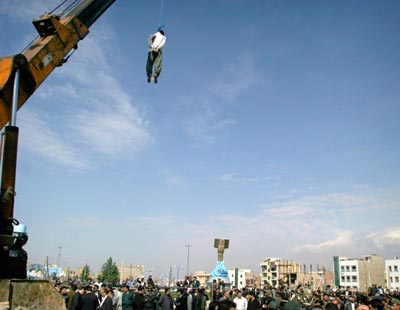
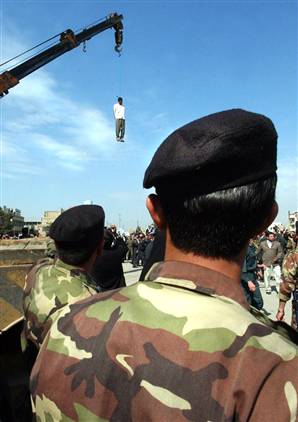
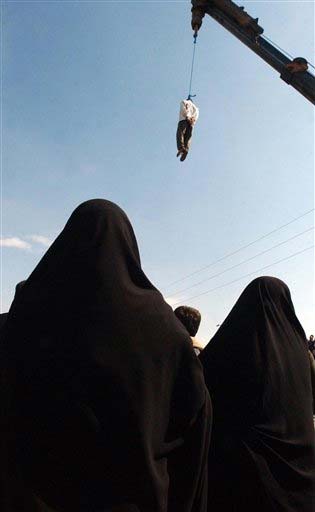
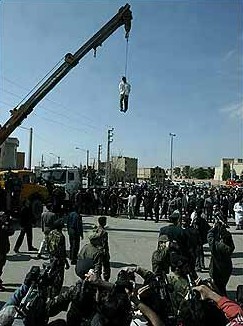
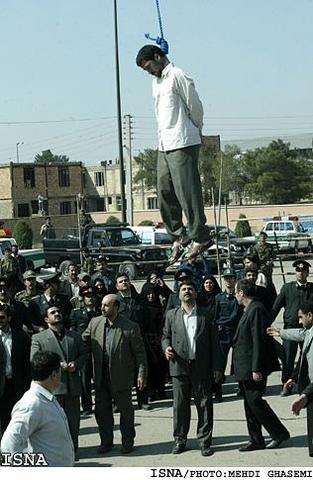
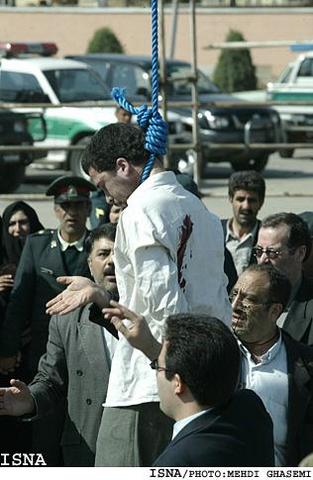
| Judicial Outcome | Public execution by hanging |
1. Background and Profile
Mohammed Bijeh was a psychopathic offender who operated in the industrial outskirts of Tehran. His early life was characterized by extreme poverty and social neglect, which forensic psychologists identify as contributing factors to his antisocial and predatory behavioral patterns.
2. Criminal Career and Modus Operandi
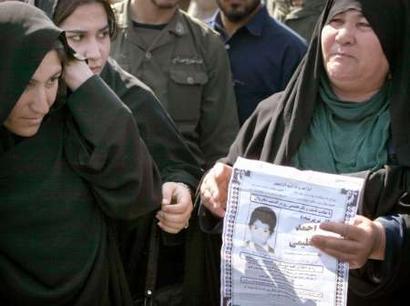
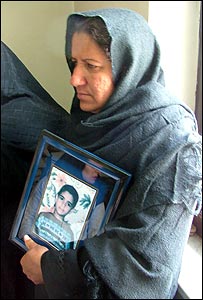
Bijeh targeted young boys, many of whom were Afghan migrants working in brick kilns in Pakdasht. He would lure his victims under false pretenses or use physical force to abduct them, subsequently taking them to remote desert areas to commit sexual assault and murder via strangulation.
3. Investigation and Arrest
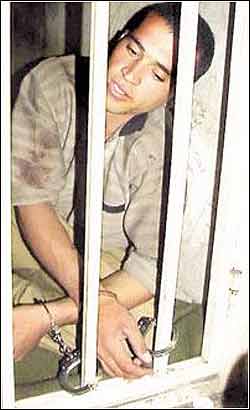
The systematic disappearance of children caused significant national outrage. Despite initial delays due to the marginalized status of the victims, intense public pressure led to a massive police operation that successfully identified and apprehended Bijeh in 2004.
4. Legal Proceedings and Outcome
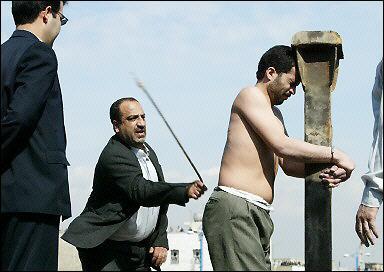
Following his arrest, Bijeh confessed to the murder of 31 children. The trial was a landmark case in Iranian history. He was sentenced to 100 lashes and death.
5. Forensic Psychiatry and Conclusion
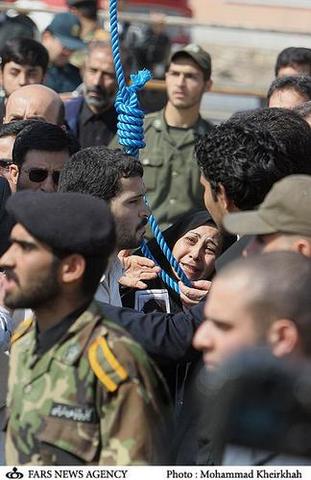
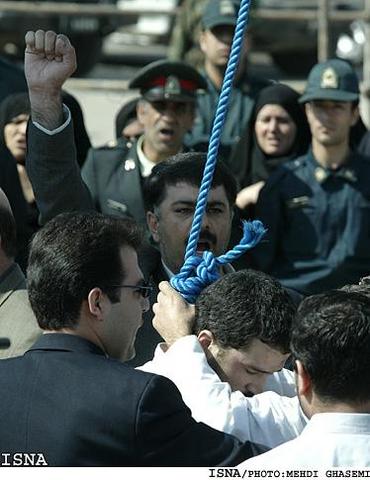
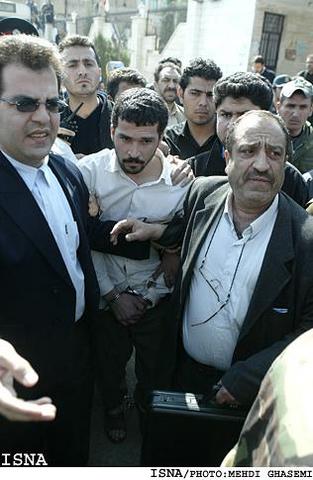
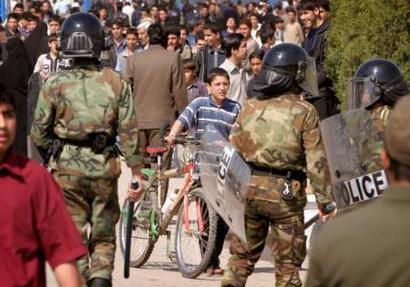
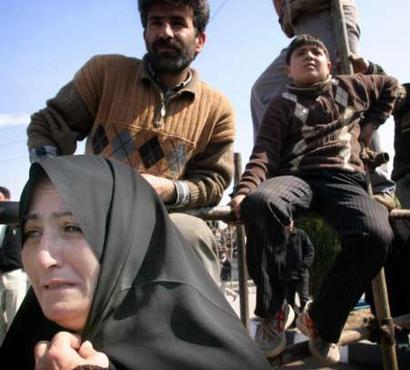
On March 16, 2005, Bijeh was executed in a public square in Pakdasht in front of thousands of spectators. His case remains a significant subject of study in contemporary criminology regarding the impact of serial violence on public policy and the ethics of capital punishment.