



Forensic & Criminological Matrix
| Parameter | Forensic Detail |
|---|---|
| Forensic Heading / Aliases | The New Sweden Poisoner |
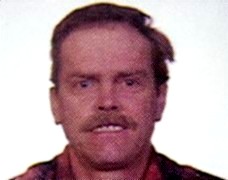
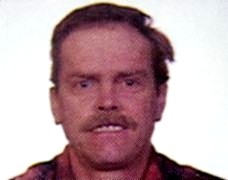
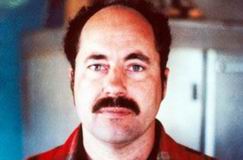
| Legal Identity | Daniel Bondeson |
| Confirmed Victims | 1 fatality (15 severely poisoned) |
| Active Timeline | April 27, 2003 |
| Jurisdiction / Area of Operations | New Sweden, Maine, United States |
| Criminological Classification | Mass poisoner / Revenge-driven offender |
| Forensic Modus Operandi | Lacing communal coffee pots with toxic doses of agricultural-grade arsenic |
| Weapon / Mechanism of Death | Arsenic trioxide poisoning |
| Motive / Behavioral Dynamics | Simmering hostility arising from internal church disputes and social alienation |
| Judicial Outcome | Termination of proceedings due to perpetrator's suicide by gunshot |
1. Background and Profile
Daniel Bondeson was a 53-year-old certified nursing assistant, substitute teacher, and local potato farmer residing in the small rural community of New Sweden, Maine. A quiet, introverted bachelor who served on the historical committee of the local Gustaf Adolph Lutheran Church, Bondeson was regarded by peers as an unassertive, mild-mannered individual. Beneath his reserved exterior, however, Bondeson harbored intense resentment stemming from ongoing factional friction and personal grievances within the church leadership and congregation.
2. Crime Spree and Modus Operandi
On Sunday, April 27, 2003, during a fellowship hour following morning services at the Gustaf Adolph Lutheran Church, parishioners consumed coffee served in the parish hall. Shortly thereafter, 16 people suffered severe gastrointestinal distress, extreme vomiting, and circulatory collapse. Laboratory tests confirmed that the brewed coffee contained exceptionally high concentrations of arsenic. On April 28, 78-year-old Walter Reid Morrill died from lethal arsenic toxicity, while 15 others required immediate emergency medical intervention and hospitalization.
3. Police Investigation
Maine State Police and the FBI launched a major homicide investigation into what was classified as one of the largest mass arsenic poisonings in U.S. history. Investigators systematically sampled water wells, sugar supplies, and coffee grounds, isolating the contamination specifically to the urn used during the Sunday gathering. Detectives initiated mass fingerprinting and voluntary DNA collection across the entire congregation to identify whoever had access to the facility prior to the service.
4. Legal Proceedings and Outcome
On Friday, May 2, 2003, before law enforcement could formally interview him, Bondeson shot himself in the chest at his family farmhouse. He was rushed to a medical center, where he died during emergency surgery. Search teams recovered a suicide note left at his residence. Maine authorities confirmed that the note contained significant details establishing Bondeson's involvement in the poisoning. Due to the suspect's death, criminal proceedings were officially closed without formal indictments.
5. Outcome and Criminological Analysis
Behavioral analyses conducted by federal profilers indicated that Bondeson operated out of deep-seated malice and grievance projection targetting the church dynamics. While initial law enforcement hypotheses considered the involvement of accomplices, subsequent forensic evaluations and physical evidence supported the conclusion that Bondeson executed the contamination independently. The event remains a notable case study in mass poisoning dynamics within close-knit religious communities.