
Forensic & Criminological Matrix
| Parameter | Forensic Detail |
|---|---|
| Forensic Heading / Aliases | The Boneyard Monster |
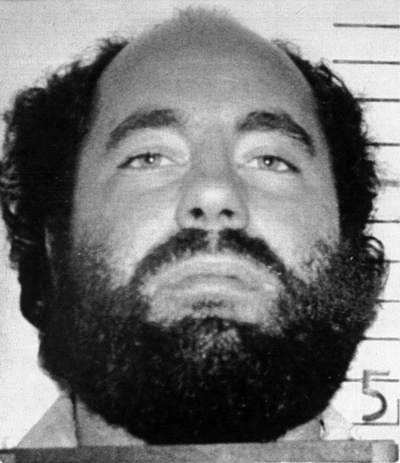
| Legal Identity | Leonard Thomas Lake |
| Confirmed Victims | 0 (deceased prior to trial) |
| Attributed / Indicted Victims | 11 to 25 |
| Active Timeline | 1983-1985 |
| Jurisdiction / Area of Operations | Wilseyville, California |
| Criminological Classification | Serial Killer / Sexual Predator |
| Forensic Modus Operandi | Bunker confinement, torture, video documentation |
| Weapon / Mechanism of Death | Firearms, physical torture, asphyxiation |
| Motive / Behavioral Dynamics | Sadism, control, survivalist ideology |
| Judicial Outcome | Suicide by cyanide ingestion post-arrest |
1. Background and Profile
Leonard Thomas Lake was a former U.S. Marine with a history of extreme paranoia and survivalist obsession. His psychological profile suggests a personality disorder characterized by a need for total dominance and a detachment from societal norms.
2. Crime Spree
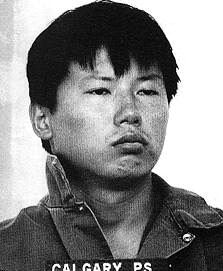
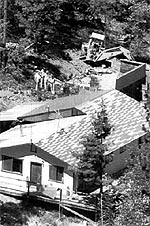
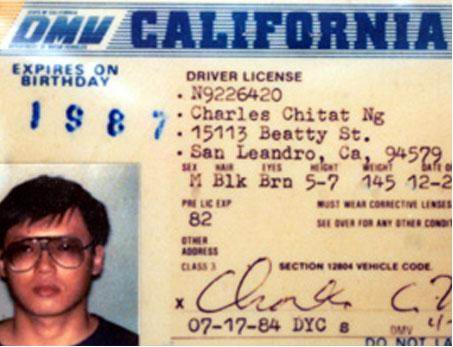
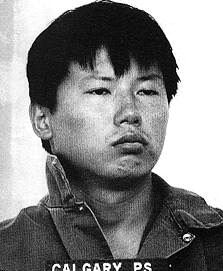
Operating from a remote cabin in Wilseyville, Lake and his accomplice Charles Ng abducted multiple individuals. The victims were held in a custom-built underground bunker, where they were subjected to prolonged sexual assault and torture before being murdered. The duo recorded their crimes on video, which later served as critical forensic evidence.
3. Investigation and Arrest
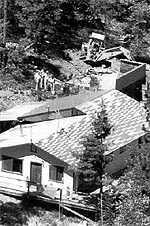
Lake was apprehended on June 2, 1985, following a shoplifting incident. His subsequent interrogation led police to the Wilseyville property, where they uncovered the bunker and human remains, exposing the scale of the atrocities.
4. Legal Proceedings and Outcome
Lake committed suicide by ingesting cyanide shortly after his arrest. Consequently, he was never brought to trial for the murders. His accomplice, Charles Ng, was later captured and faced a lengthy legal process.
5. Psychiatric Evaluation and Conclusion
The Lake-Ng case remains a seminal study in criminal psychology, illustrating the devastating impact of shared delusional systems and extreme predatory behavior.