




Forensic & Criminological Matrix
| Parameter | Forensic Detail |
|---|---|
| Forensic Heading / Aliases | Ruth Blay |
| Legal Identity | Ruth Blay |
| Confirmed Victims | None (Stillborn neonate / Concealment case) |
| Active Timeline | August 1768 (Incident) / December 1768 (Execution) |
| Jurisdiction / Area of Operations | Portsmouth and South Hampton, New Hampshire, United States |
| Criminological Classification | Conviction for concealment of illegitimate birth (Colonial British Law) |
| Forensic Modus Operandi | Concealment of a stillborn infant's remains beneath barn floorboards due to extreme social stigma and legal panic |
| Weapon / Mechanism of Death | Judicial hanging |
| Motive / Behavioral Dynamics | Social shame, fear of illegitimacy laws, and severe colonial penal statutes |
| Judicial Outcome | Sentenced to death by hanging; executed on December 30, 1768 |
1. Background and Psychopathy
Born in 1737, Ruth Blay worked as a respected itinerant schoolteacher across the towns of South Hampton, Chester, and Sandown in the colonial province of New Hampshire. Coming from a modest working background—her mother was a tailor—Blay possessed sewing skills and formal literacy that allowed her to teach children in private residences, given the absence of permanent schoolhouses at the time.
2. Crime Spree
During the summer of 1768, physical changes indicated Blay's advanced pregnancy, a condition carrying severe social ostracism and criminal penalties in 18th-century New England. Historical and forensic analysis indicates that Blay experienced a difficult, unassisted labor alone at night on the floor of a nearby barn, resulting in a stillborn infant. Overwhelmed by panic, desperation, and the draconian colonial statutes regarding hidden illegitimate births, she concealed the infant's body beneath the floorboards.
3. Police Investigation and Forensic Hunt
Local authorities discovered the remains days later following community suspicion. Under the prevailing colonial legislation derived from English law, the concealment of a bastard child—whether born alive or dead—was automatically categorized as a capital felony punishable by hanging. Investigators found no evidence that Blay intended to harm the child, noting instead that she had made basic preparations for motherhood, but the strict letter of the law demanded a capital charge for the concealment itself.
4. Arrest and Judicial Proceedings
Ruth Blay was arrested, tried before an all-male jury during the summer of 1768, and formally sentenced to death on November 24 of that year. Confined to the jail on Prison Lane in Portsmouth, she maintained her innocence regarding any malicious intent toward the child throughout her five months of imprisonment. Her execution was stayed three times by temporary reprieves, heightening public tension and debate.
5. Psychiatric Assessment and Aftermath
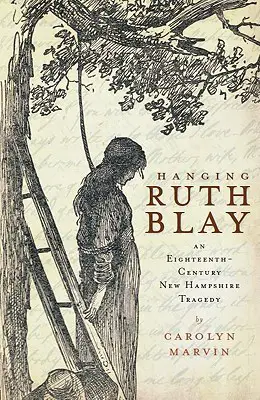
On December 30, 1768, before a large crowd gathered on a Portsmouth hill, 31-year-old Ruth Blay was executed by hanging. Clad in fine silk and satin garments in accordance with contemporary customs for condemned souls entering eternity, she became the last woman executed in New Hampshire. Folk history subsequently generated enduring legends regarding a late-arriving pardon thwarted by official negligence, cementing Blay's case as a poignant symbol of the gender-biased and unforgiving penal framework of 18th-century America.