


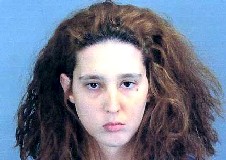
Forensic & Criminological Matrix
| Parameter | Forensic Detail |
|---|---|
| Forensic Heading / Aliases | Penny Bjorkland |
| Legal Identity | Rosemarie Diane Bjorkland |
| Confirmed Victims | 1 (August Norry) |
| Active Timeline | February 1, 1959 |
| Jurisdiction / Area of Operations | Daly City / San Bruno Mountains, California, United States |
| Criminological Classification | Impulsive offender / Antisocial personality disorder without economic motive |
| Forensic Modus Operandi | Hitchhiking ruse, point-blank execution using a .38 caliber firearm with custom wadcutter ammunition, exhibiting severe overkill, followed by victim dumping and vehicle theft |
| Weapon / Mechanism of Death | .38 caliber semi-automatic handgun (stolen military-issue) and handloaded ammunition |
| Motive / Behavioral Dynamics | Impulsive homicidal urge ("to find out what it feels like to kill someone and feel no remorse"); profound affective detachment and psychopathic traits |
| Judicial Outcome | Convicted of second-degree murder and sentenced to life imprisonment (July 1959); subsequently paroled in the mid-1960s |
1. Background and Psychopathy
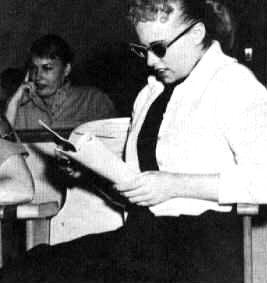
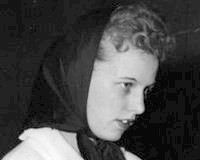
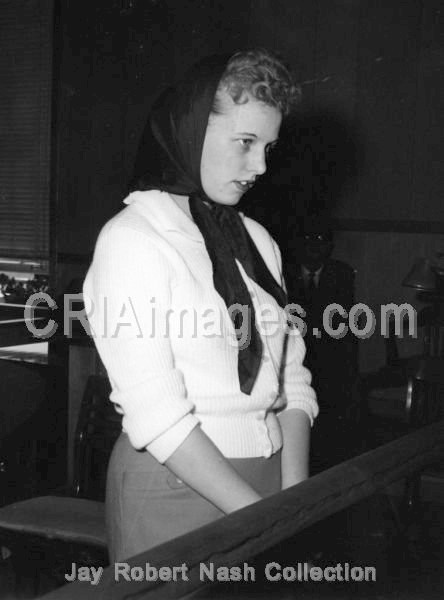
Rosemarie Diane "Penny" Bjorkland was born in 1941 into a standard American working-class family. Prior to the homicide, acquaintances described her as a seemingly normal teenager: blonde, blue-eyed, freckled, and wearing a ponytail. However, teachers and peers noted social withdrawal, nervous habits such as nail-biting, and occasional minor disciplinary infractions at school. Beneath this suburban facade lay severe behavioral pathology characterized by affective coldness, omnipotent fantasies, and a total absence of human empathy.
2. Crime Spree
On February 1, 1959, Bjorkland awoke with the explicit intent of committing a murder. Having stolen a .38 caliber handgun and custom wadcutter ammunition weeks prior, she wandered the hills of Daly City and the San Bruno Mountains. August Norry, a 28-year-old landscaper, Korean War veteran, and expectant father, pulled over and offered her a ride. Upon exiting the vehicle, Bjorkland pulled out the handgun and fired repeatedly at close range. Forensic ballistic analysis revealed extreme overkill: Norry sustained eighteen bullet wounds to the head, neck, chest, and extremities. Following the execution, the perpetrator drove the vehicle to a remote location, discarded the body near a barbed-wire fence, and fled in the victim's car.
3. Investigation and Forensic Hunt
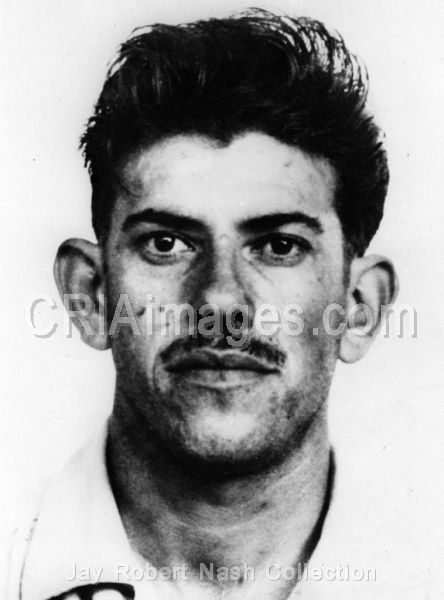
The initial investigation was heavily obstructed by the lack of a rational motive. Police interrogated Norry's associates and ruled out domestic disputes or jealousy. Key physical evidence included a blood-stained rhinestone necklace, witness testimony from a boy who observed a young blonde woman driving erratically, and the unique characteristics of the .38 caliber wadcutter bullets. Detectives Milt Minehan and William Ridenour traced the bullet mold manufacturer to a New Jersey firm and, after extensive inquiries across the Bay Area, identified Lawrence Schultze, a local mechanic who reloaded his own ammunition. Schultze confessed to supplying a box of those exact rounds to Penny Bjorkland, with whom he had test-fired weapons near the murder site.
4. Arrest and Judicial Proceedings
On April 15, 1959, investigators awaited Bjorkland's return to her family residence in Daly City. Unfazed by their presence, she consented to a search of her bedroom, where detectives discovered newspaper clippings regarding the Norry murder. Following intensive interrogation at the San Mateo County Sheriff's Department, Bjorkland confessed in the early morning hours. During the crime reenactment, sensationalist press outlets magnified her demeanor, characterizing her as giggling and indifferent, thus cementing her media profile as a cold teenager. On July 20, 1959, she pleaded guilty to second-degree murder and was sentenced to life imprisonment by Judge Charles Becker, with parole eligibility set after seven years.
5. Psychiatric Evaluation and Outcome
The most unsettling aspect of the case was the complete absence of a traditional motive, such as financial gain or personal vengeance. When questioned about her reasoning, Bjorkland stated matter-of-factly, "For about a year or a year and a half I've had the urge to kill someone... I wanted to know if a person could commit a crime like this and not worry about the police." This profound lack of emotional resonance pointed to an early-onset psychopathic personality disorder. Nevertheless, after serving her initial prison term and maintaining exemplary institutional conduct, Bjorkland was granted parole in the mid-1960s, quietly reintegrating into society under strict anonymity.