



Forensic & Criminological Matrix
| Parameter | Forensic Detail |
|---|---|
| Forensic Heading / Aliases | Madame Bessarabo, Hera Mirtel, Hera Myrtel |
| Legal Identity | Marie Louise Victorine Grouès |
| Confirmed Victims | 1 (Charles Bessarabo); 1 suspected (Paul Jacques) |
| Active Timeline | 1914 – 1920 |
| Jurisdiction / Area of Operations | Paris and Nancy, France |
| Criminological Classification | Spousal Homicide / Parricide accomplice dynamic |
| Forensic Modus Operandi | Use of firearms within domestic residence, blunt force trauma, and concealment of remains inside heavy luggage for intercity transport |
| Weapon / Mechanism of Death | Revolver / Ballistic trauma and severe head battering |
| Motive / Behavioral Dynamics | Marital conflict, financial control, psychological dominance, and heavy drug addiction (hashish) |
| Judicial Outcome | Sentenced to 20 years of imprisonment in February 1921; died in custody in 1930 |
1. Background and Profile
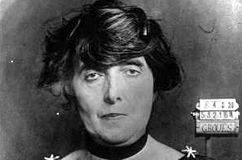
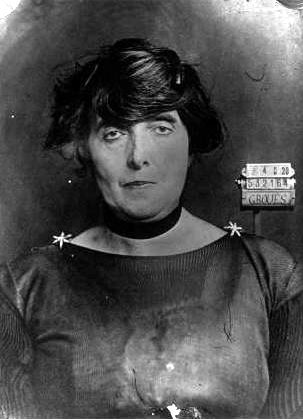
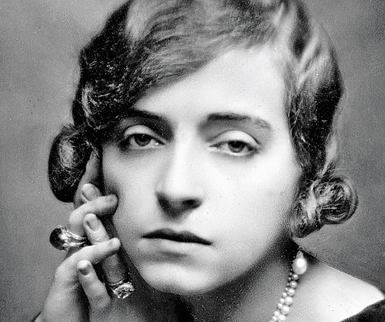
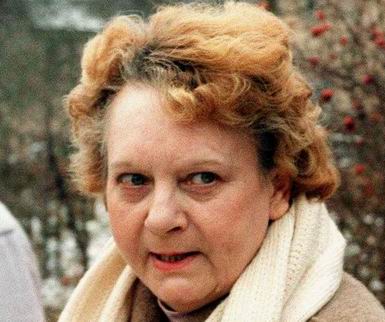
Marie Louise Victorine Grouès was born on October 24, 1868, in France, the daughter of a silk merchant. Convent-educated, she developed early literary ambitions. Writing under the pen name Hera Mirtel or Hera Myrtel, she authored romantic novels and poetry, operating literary salons in Europe and during a trip to Mexico in the 1890s. Her psychological profile revealed severe vanity, extravagant financial demands, chronic hashish addiction, and serial infidelity accompanied by the psychological domination of multiple partners.
2. Crime Spree
Her criminal trajectory included suspicious antecedents: in March 1914, her first husband, Paul Jacques, was found dead with a gunshot wound to the head. Although ruled a suicide, police suspected foul play linked to prior poisoning attempts by Marie Louise. After liquidating Mexican assets, she married Charles Bessarabo in 1916. Throughout their marriage in Paris, she subjected Bessarabo to intense emotional abuse and physical violence. On July 31, 1920, following a severe altercation, she shot him dead. Aided by her daughter Pauline, she placed the naked corpse inside a large trunk and dispatched it via railway to Nancy.
3. Investigation and Arrest
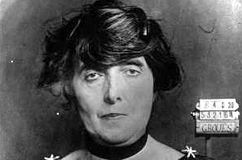
When Charles Bessarabo failed to appear for work, his chauffeur alerted authorities regarding the domestic discord. Confronted by police, Marie Louise claimed her husband had abandoned her to visit an alleged mistress, taking a large trunk with him. Investigators quickly traced and intercepted the trunk in Nancy, discovering a battered and shot corpse inside. Faced with irrefutable forensic evidence and domestic testimonies, Marie Louise confessed to the homicide.
4. Legal Proceedings and Outcome
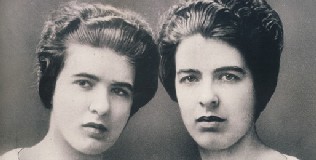
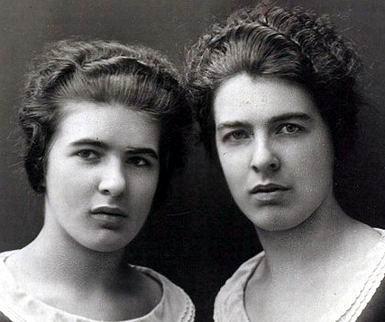
In February 1921, Marie Louise and her daughter Pauline stood trial in a highly sensationalized courtroom proceeding. During the trial, Pauline dramatically turned against her mother to secure her own acquittal, detailing her mother's sole responsibility in the murder and disposal of the body. The court acquitted Pauline, while Marie Louise was found guilty of murder and sentenced to 20 years imprisonment.
5. Psychiatric Evaluation and Final Disposition
Forensic examiners diagnosed Marie Louise with severe narcissistic pathology, histrionic traits, and substance dependence. Her grandiosity and violent volatility drove her to eliminate impediments to her lifestyle. She served her sentence within the French penal system until her death in custody in 1930.