



Forensic & Criminological Matrix
| Parameter | Forensic Detail |
|---|---|
| Forensic Heading / Aliases | Bambi |
| Legal Identity | Lawrencia Ann Bembenek |
| Confirmed Victims | 1 (Christine Schultz) |
| Active Timeline | 1981 |
| Jurisdiction / Area of Operations | Milwaukee, Wisconsin, United States |
| Criminological Classification | Contract-style homicide / Criminal conspiracy / Judicial controversy |
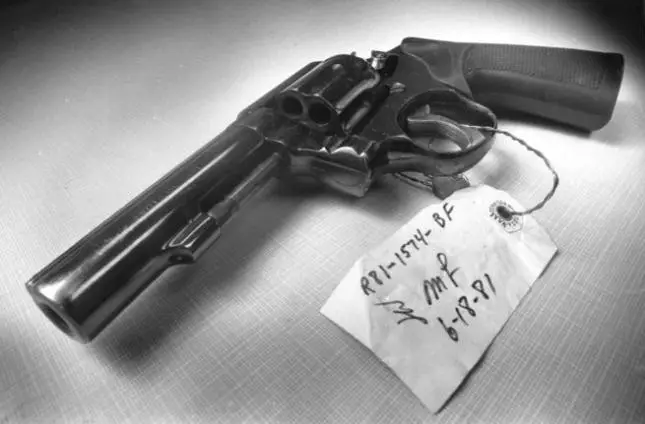
| Forensic Modus Operandi | Point-blank gunshot using a service revolver (Smith & Wesson .38-caliber), accompanied by staging of the crime scene (binding and gagging the victim) |
| Weapon / Mechanism of Death | Spouse's off-duty .38-caliber revolver |
| Motive / Behavioral Dynamics | Financial interests, domestic disputes, and personal animosity |
| Judicial Outcome | Sentenced to life imprisonment in 1982; subsequent escape, capture in Canada, conviction vacated, and plea of no contest to second-degree murder in 1992 resulting in time served and probation |
1. Background and Psychopathy
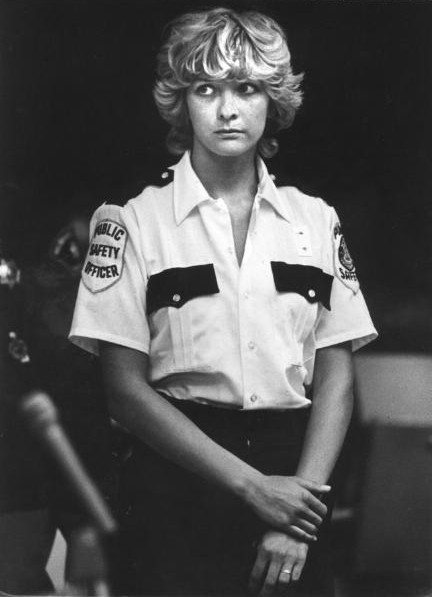
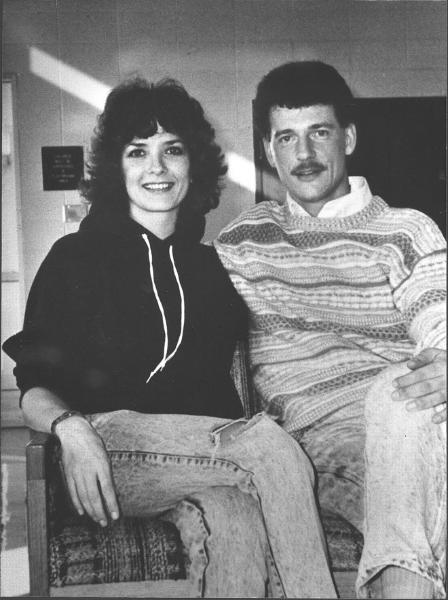
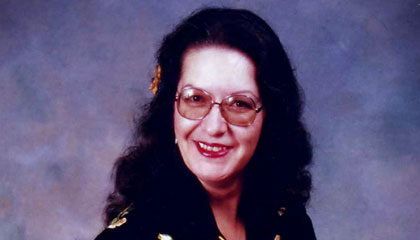
Lawrencia Ann Bembenek, widely known as "Bambi", was born on August 15, 1958. In March 1980, she joined the Milwaukee Police Department as a trainee. Her tenure in law enforcement was short-lived; she was dismissed in August of that year following her involvement in filing a false report regarding the arrest of a fellow trainee and friend, Judy Zess. She subsequently worked briefly as a waitress and within Marquette University's Public Safety Department. Her personal life became heavily scrutinized when she married Elfred "Fred" Schultz, a Milwaukee Police Department detective whose ex-wife was Christine Schultz.
2. Crime Spree
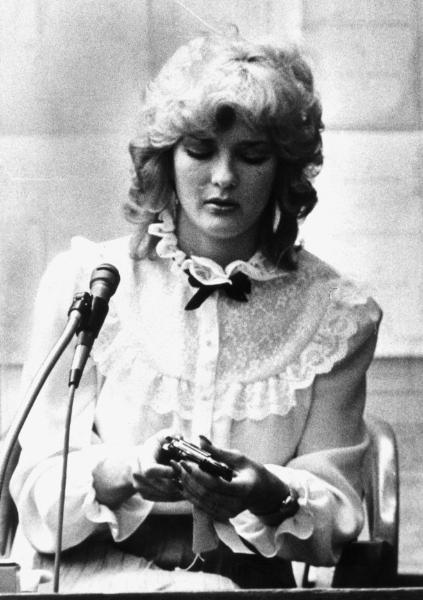
In the early hours of May 28, 1981, 30-year-old Christine Schultz was murdered in her Milwaukee residence. The victim sustained a point-blank gunshot wound to the back that penetrated her heart. She was discovered face down on her bed, her hands bound tightly with rope in front of her, and her face gagged and blindfolded. Her two young sons found the body. The older boy reported seeing a masked intruder wearing a green military jacket and sporting a long reddish ponytail. Ballistics established that the murder weapon was Fred Schultz's off-duty revolver. Prosecutors argued that Laurie Bembenek had exclusive access to the weapon and a strong motive tied to domestic tensions and alimony disputes, supported by trace evidence including hair samples and wig fibers found at the scene.
3. Police Investigation and Forensic Hunt
The investigation was marked by intense institutional controversy and conflicting forensic evidence. While the prosecution maintained that Bembenek orchestrated and executed the homicide, defense experts challenged the integrity of the physical evidence. Significant discrepancies arose regarding hair samples introduced by the state crime lab, which the original autopsy medical examiner, Dr. Elaine Samuels, testified she had never recovered. Furthermore, supporters suggested alternative theories involving career criminals such as Frederick Horenberger, pointing to potential police misconduct or cover-ups given Fred Schultz's background and Laurie's prior involvement in internal corruption disclosures.
4. Arrest and Judicial Process
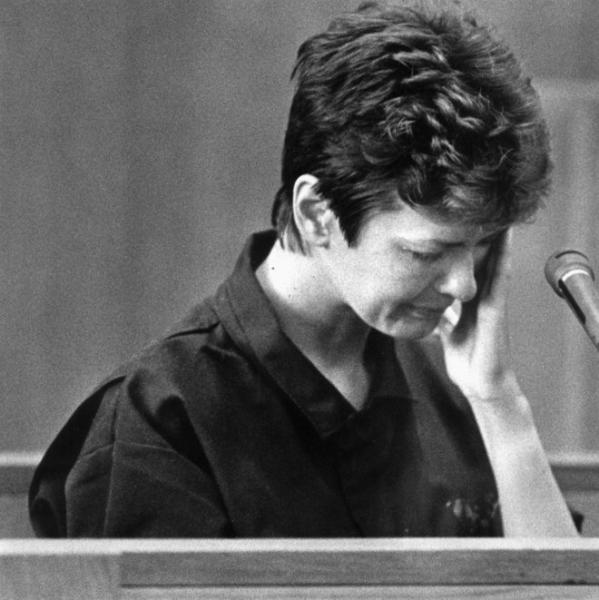
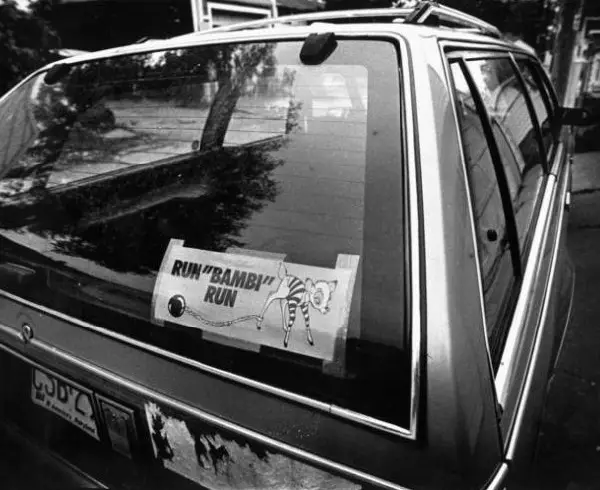
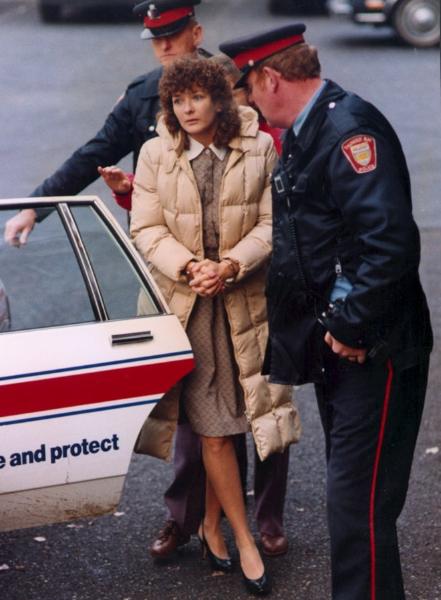
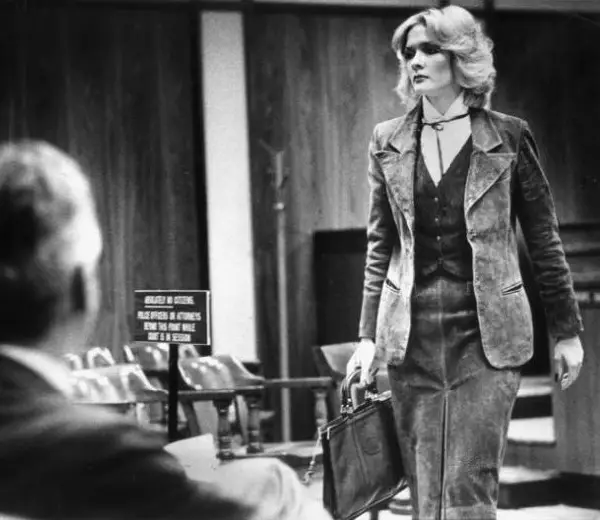
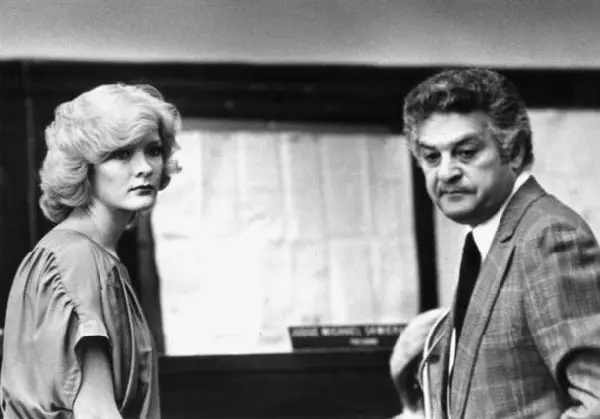
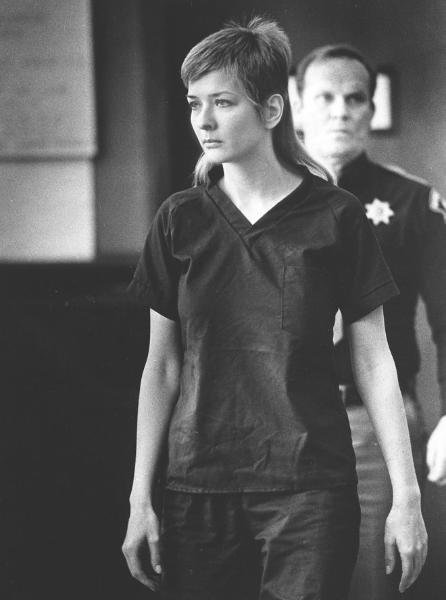
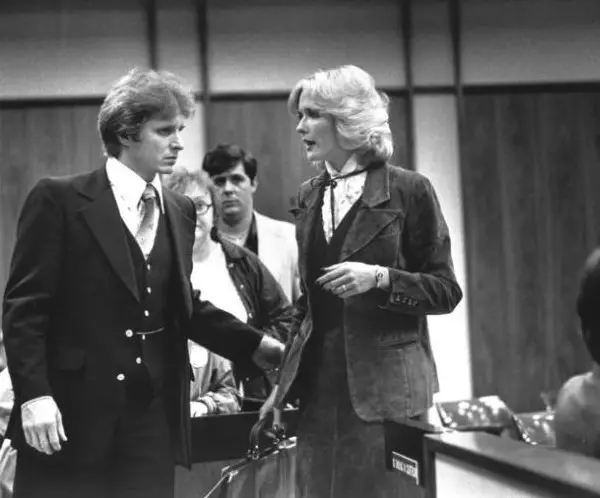
Following her arrest on June 24, 1981, Bembenek's trial became a major media spectacle. In March 1982, she was convicted of first-degree murder and sentenced to life imprisonment at the Taycheedah Correctional Institution. Maintaining her innocence throughout her incarceration, Bembenek became a model prisoner and earned a university degree. On July 15, 1990, she successfully escaped from prison with the assistance of Dominic Gugliatto, fleeing across the border to Ontario, Canada. Her escape sparked immense public fascination and the popular slogan "Run, Bambi, Run." She was apprehended three months later and sought refugee status, alleging systematic judicial persecution in Wisconsin.
5. Psychiatric Evaluation and Aftermath
Mounting public pressure and lingering doubts regarding the fairness of her original trial prompted Canadian authorities to condition her extradition on a comprehensive judicial review. In 1992, following legal negotiations, her conviction was set aside, and Bembenek entered a no-contest plea to second-degree murder in exchange for time served and probation. Until her death, she continued campaigns to completely exonerate her name. Lawrencia Bembenek died on November 20, 2010, at the age of 52 in a hospice facility in Portland, Oregon, due to declining health.