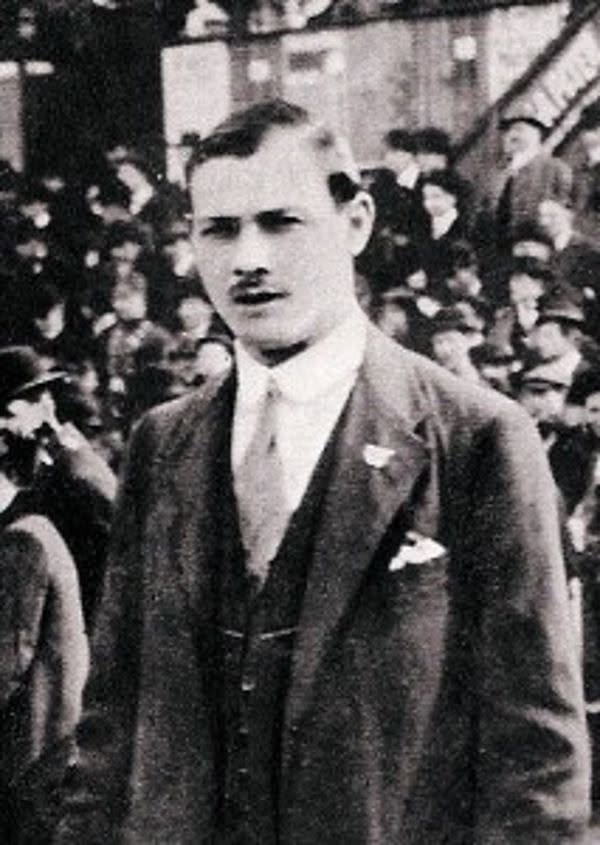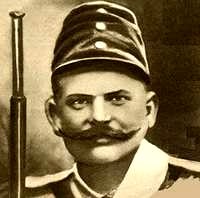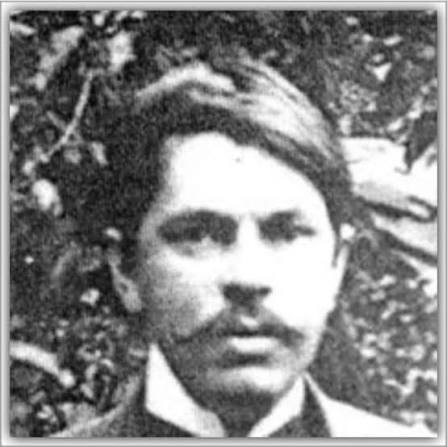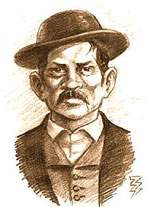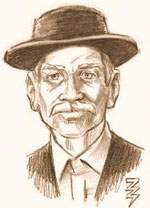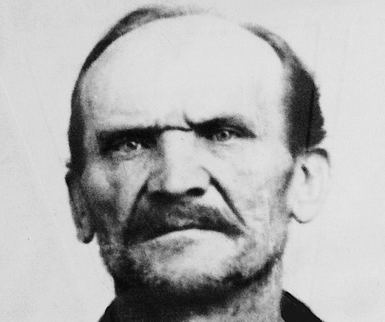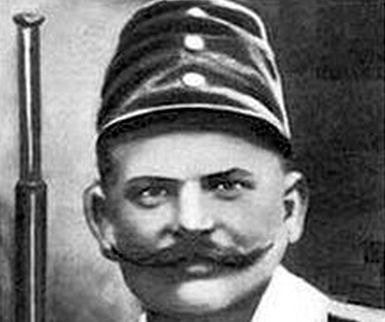



Béla Kiss: «The Monster of Cinkota» and the Metal Drums of the Budapest Vampire
Executive Summary
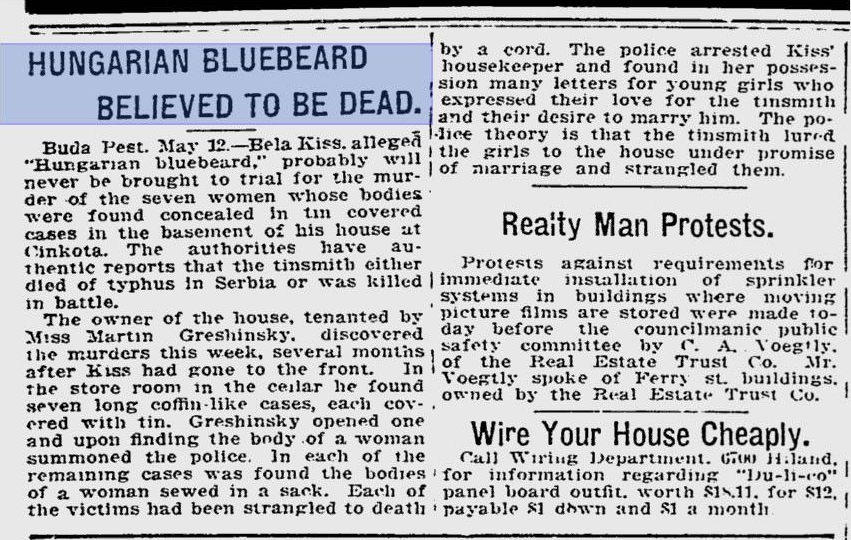
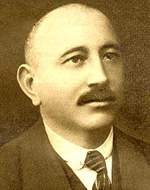
Béla Kiss (1877 – vanished after 1916), regarded as one of Central Europe's most enigmatic and prolific serial killers, was a Hungarian tinsmith who between 1900 and 1914 murdered at least twenty-four individuals—twenty-three young women and one man—in the town of Cinkota near Budapest, then part of the Austro-Hungarian Empire.
Concealed behind a veneer of a respectable master craftsman, cultured widower, and astrology enthusiast, Kiss placed matrimonial advertisements in Budapest newspapers under aliases, luring affluent single women and widows to his residence at 9 Kossuth Street. After convincing them to liquidate assets and transfer funds into his keeping, he strangled them with silk cords, drained their blood through puncture wounds in the neck, and preserved their mummified bodies in methyl alcohol inside hermetically sealed metal fuel drums stacked in his courtyard.
The discovery occurred by chance in May 1916, when Austro-Hungarian army logistical units requisitioned the property during World War I in search of fuel reserves. Despite an international manhunt led by Budapest Chief Detective Károly Nagy, and alleged sightings in the French Foreign Legion and the New York City subway system in the 1930s, Béla Kiss assumed the identity of fallen soldiers on the battlefield and was never apprehended.
Forensic & Criminological Matrix
| Parameter | Forensic Detail |
|---|---|
| Legal Identity | Béla Kiss |
| Criminological Monikers | "The Monster of Cinkota" / "The Vampire of Cinkota" / Herr Hoffmann |
| Year of Birth | 1877 (Austro-Hungarian Empire) |
| Date of Death | Unknown (vanished in combat or flight post-1916) |
| Criminological Classification | Organized Serial Killer / Matrimonial Swindler / Fetishistic Vampirism |
| Confirmed Fatalities | 24 preserved corpses recovered (23 young females and 1 adult male) |
| Active Criminal Span | 1900 – 1914 (14-year duration) |
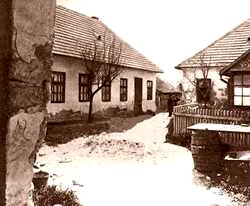
| Primary Crime Scene | Workshop and residence at Kossuth Utca 9, Cinkota (Budapest, Hungary) |
| Lethal Mechanics | Ligature strangulation with silk cords; exsanguination and chemical preservation |
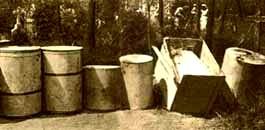
| Preservation Method | Immersion in methyl alcohol inside lead-soldered galvanized tin drums |
| Lead Detective | Chief Detective Károly Nagy (Royal Budapest Police Department) |
| Final Legal Status | Fugitive from justice (At Large) / Case unclosed |
Matrimonial Fraud and Modus Operandi
Around 1900, Béla Kiss settled in Cinkota, a rural village outside Budapest. Handsome, blond, and articulate, Kiss gained neighborly esteem through his craftsmanship as a tinsmith and his interest in literature and astrology.
In 1902, he married a young woman named Marie. Years later, Marie embarked on an affair with a local musician named Paul Bikari; in 1906, both vanished. Kiss informed neighbors with feigned sorrow that his wife had absconded to America with her lover, hiring an elderly housekeeper named Mrs. Jakubec.
Kiss then placed classified matrimonial ads in Budapest newspapers under the alias "Hoffmann":
"Cultured, solvent widower of excellent social standing seeks correspondence with respectable lady with view to matrimony. References and dowry requested."
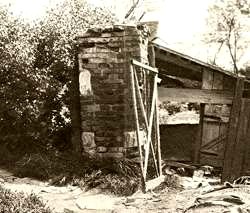
Kiss entertained prospective brides in rented apartments in the capital before bringing them to Cinkota. Once victims transferred savings or liquidated properties, he sedated them, strangled them with cords, and drained their blood through punctures in the jugular vein. He placed their corpses inside galvanized metal drums filled with sawdust and wood alcohol, soldering the lids shut. When neighbors asked about the barrels stacked in his yard, he claimed he was stockpiling gasoline for wartime shortages.
The Discovery of May 1916
In 1914, with the outbreak of World War I, Kiss was conscripted into the Austro-Hungarian Army and dispatched to the Serbian front. In May 1916, following reports he had fallen in battle, military logistical units arrived in Cinkota to requisition his rumored fuel stores:
- Soldiers pried open one of the drums, releasing a putrid stench of methyl alcohol and human decomposition.
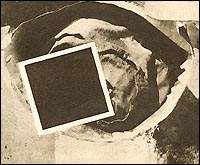
- Cutting the tin lid, soldiers pulled out the intact, preserved body of a naked blonde woman with ligature marks around her neck.
- Budapest Chief Detective Károly Nagy led extensive excavations on the property, unearthing twenty-four sealed metal cylinders.
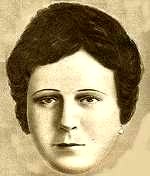
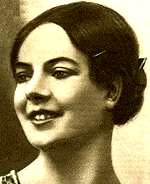
- Among the corpses were the remains of his unfaithful wife Marie, her lover Paul Bikari, and twenty-two young women reported missing over the previous decade (including Katherine Varga, Margaret Tóth, and Julianna Paschak).
- Autopsies confirmed all bodies bore small puncture wounds on the neck and had undergone post-mortem exsanguination.
Manhunt and Disappearance
Searching a locked room in the house, Detective Nagy uncovered correspondence from 174 women who had answered his ads, along with ledgers detailing tens of thousands of crowns stolen from their bank accounts.
Nagy issued an international Red Notice through military authorities:
- Valjevo Hospital (Serbia, 1916): Military police located a soldier registered as Béla Kiss in an army hospital in Valjevo. However, when Nagy's officers arrived, they found another soldier's corpse in the bed, Kiss having swapped identification tags before escaping into the night.
- The Foreign Legion (1920): Intelligence reports indicated a soldier matching Kiss's description was serving under a pseudonym in the French Foreign Legion in Algeria, but he deserted before investigators arrived.
- Times Square Sighting (New York, 1932): Renowned NYPD homicide detective Henry Oswald claimed to have spotted Kiss emerging from a Times Square subway station, but the suspect vanished into the crowds.
- Hoboken Rumors (1936): Inquiries traced a janitor fitting Kiss's description in Hoboken, New Jersey, but the employee had vanished prior to police arrival.
Béla Kiss was never captured, remaining one of history's most notorious fugitive serial killers.