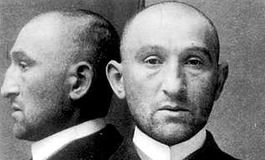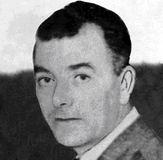
Forensic & Criminological Matrix
| Parameter | Forensic Detail |
|---|---|
| Forensic Heading / Aliases | The Insulin Murderer |
| Legal Identity | Kenneth Barlow |
| Confirmed Victims | 1 |
| Attributed / Indicted Victims | 1 |
| Active Timeline | 1957 |
| Jurisdiction / Area of Operations | Bradford, United Kingdom |
| Criminological Classification | Instrumental killer |
| Forensic Modus Operandi | Insulin-induced coma followed by drowning |
| Weapon / Mechanism of Death | Insulin overdose / Drowning |
| Motive / Behavioral Dynamics | Elimination of spouse |
| Judicial Outcome | Life imprisonment (released 1984) |
1. Background and Profile
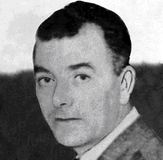
Kenneth Barlow was a trained nurse in Northern England. His medical background provided him with the pharmacological knowledge he used to attempt what he famously described as the 'perfect murder'.
2. Crime Spree
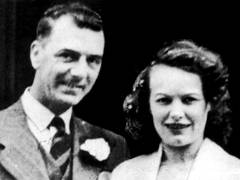
On May 3, 1957, Barlow murdered his pregnant wife, Elizabeth. After failing to induce an abortion with ergometrine, he switched to insulin injections. The drug rendered his wife comatose, allowing him to drown her in the bathtub without struggle.
3. Investigation and Arrest
This case marked a milestone in forensic science. Pathologists identified injection marks and, through rigorous laboratory analysis, confirmed the presence of lethal insulin levels. The lack of water splashes in the bathroom contradicted Barlow's claim of a failed resuscitation attempt.
4. Legal Proceedings and Outcome
Barlow was convicted of murder and sentenced to life imprisonment. The trial was highly significant for the forensic evidence presented. He was released in 1984 after serving 26 years, maintaining his innocence until his release.