




Forensic & Criminological Matrix
| Parameter | Forensic Detail |
|---|---|
| Forensic Heading / Aliases | Maria Barbella (also recorded as Maria Barbieri) |
| Legal Identity | Maria Barbella |
| Confirmed Victims | 1 (Domenico Cataldo) |
| Active Timeline | April 26, 1895 |
| Jurisdiction / Area of Operations | New York City, New York, USA |
| Criminological Classification | Crime of passion / Honor killing |
| Forensic Modus Operandi | Confrontation in a public saloon followed by a rapid straight-razor slash to the victim's throat |
| Weapon / Mechanism of Death | Straight razor (deep incised wound to the jugular area) |
| Motive / Behavioral Dynamics | Vengeance for compromised honor, deception, unfulfilled promise of marriage, and severe socio-cultural pressure |
| Judicial Outcome | Sentenced to death by electrocution (1895); sentence overturned on appeal; acquitted in a second trial (1896) and released |
1. Background and Psychopathy
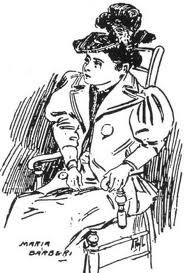
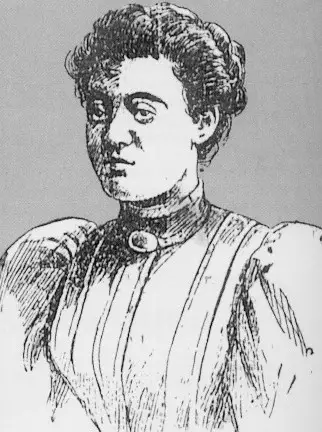
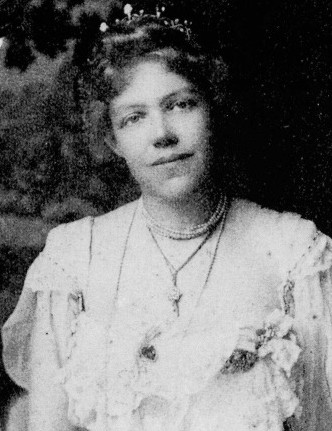
Maria Barbella was born on October 24, 1868, in Ferrandina, Basilicata, Italy. In 1892, her family emigrated to the United States, settling in the Mulberry Bend section of Little Italy, New York City. Employed as a seamstress, Barbella adhered strictly to traditional southern Italian moral codes concerning female modesty, honor, and chastity.
2. Crime Spree
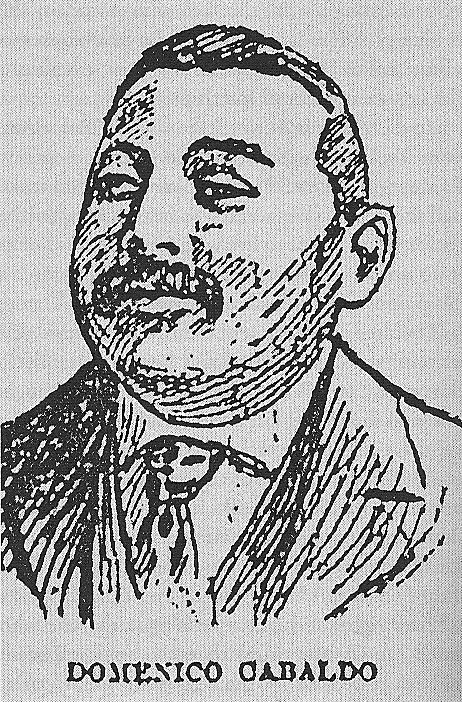
In November 1893, Barbella met Domenico Cataldo, a fellow Italian immigrant working as a shoeshine operator. Cataldo courted her and eventually lured her to a boarding house where he compromised her under the pretense of marriage. Clinging to her strict moral standards, Barbella repeatedly demanded marriage. Cataldo stalled for months before finally declaring his intention to abandon her and return to Italy, dismissing her pleas.
On April 26, 1895, following a confrontation at an East 13th Street saloon where Cataldo was playing cards and dismissed her with an insult ("Only pigs marry you!"), Barbella produced a straight razor and slashed his throat. Cataldo staggered out of the establishment before collapsing fatally near Avenue A.
3. Investigation and Forensic Pursuit
Law enforcement responded swiftly, arresting Barbella on the same day. A search of her residence led investigators to uncover a bloodstained cotton dress hidden behind a stool. Barbella readily confessed to police regarding the attack, explaining the context of her betrayal and her terror of the victim.
4. Arrest and Judicial Proceedings
Barbella was incarcerated at the New York Halls of Justice and House of Detention ("The Tombs") before being transferred to Sing Sing. Her trial commenced on July 11, 1895, presided over by Judge John W. Goff before an all-male jury devoid of Italian representation. The jury convicted her, and on July 18, 1895, she was sentenced to death in the electric chair—making her the second woman sentenced to death in New York and the first designated for execution via electrocution.
5. Psychiatric Assessment and Outcome
The harsh sentence sparked national outrage and widespread advocacy led by prominent figures, including Cora Slocomb, Countess di Brazza. The defense introduced arguments regarding her mental instability and epilepsy resulting from the ordeal. The conviction was successfully appealed, leading to a second trial on November 16, 1896, at the New York Supreme Court, where she was acquitted and subsequently released.