Forensic & Criminological Matrix
| Parameter | Forensic Detail |
|---|---|
| Forensic Heading / Aliases | The Kandahar Massacre Perpetrator |
| Legal Identity | Robert Bales |
| Confirmed Victims | 16 |
| Attributed / Indicted Victims | 16 |
| Active Timeline | March 11, 2012 |
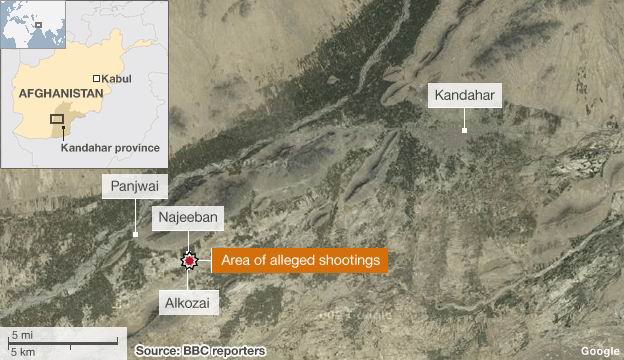
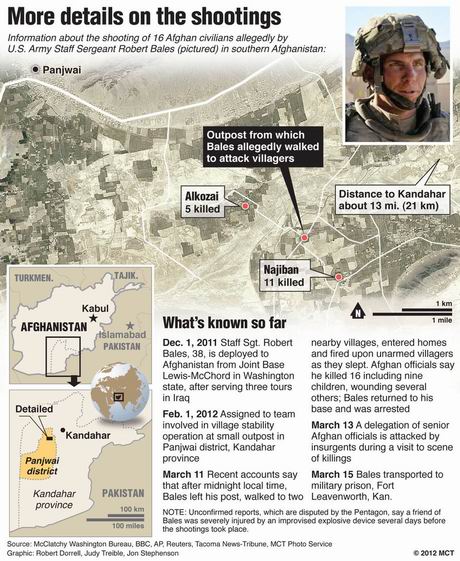
| Jurisdiction / Area of Operations | Panjwai District, Kandahar, Afghanistan |
| Criminological Classification | Mass Murderer |
| Forensic Modus Operandi | Armed night raid on civilian homes with summary execution and arson |
| Weapon / Mechanism of Death | M-4 rifle, pistol, and kerosene |
| Motive / Behavioral Dynamics | PTSD, steroid abuse, and psychological instability |
| Judicial Outcome | Life imprisonment without parole |
1. Background and Profile
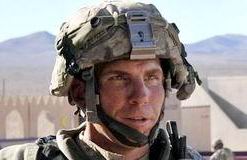
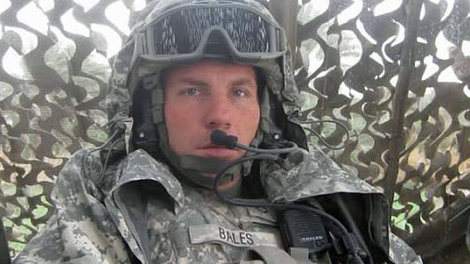
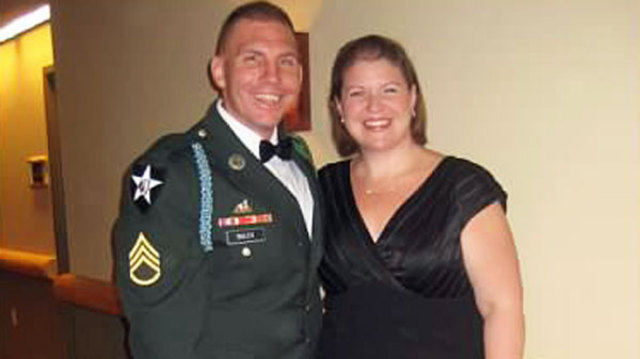
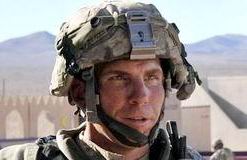
Robert Bales was a U.S. Army staff sergeant with four combat deployments. His pre-incident profile indicated significant instability, fueled by steroid use and the cumulative psychological toll of combat.
2. Crime Spree
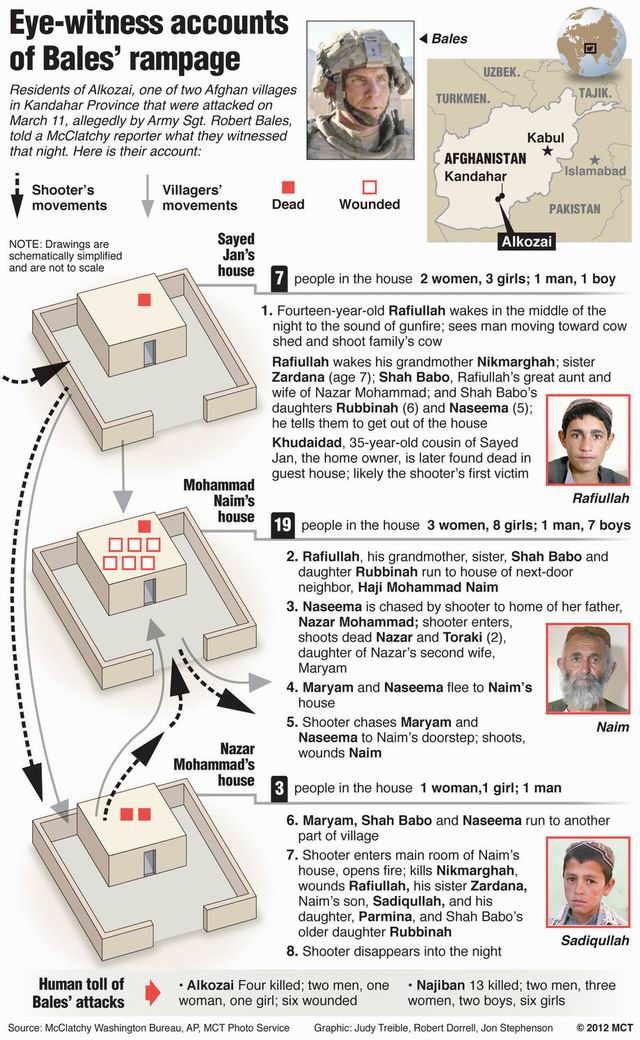
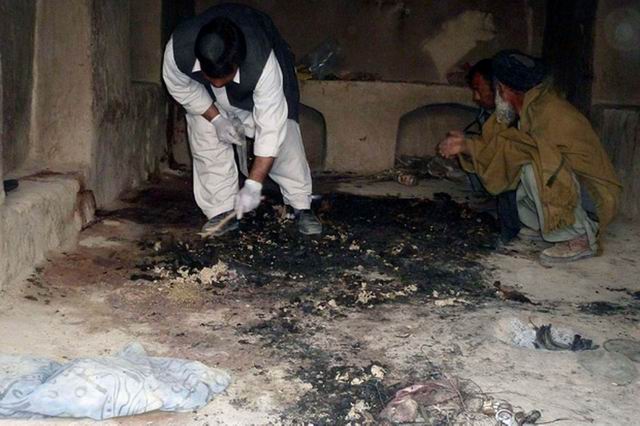
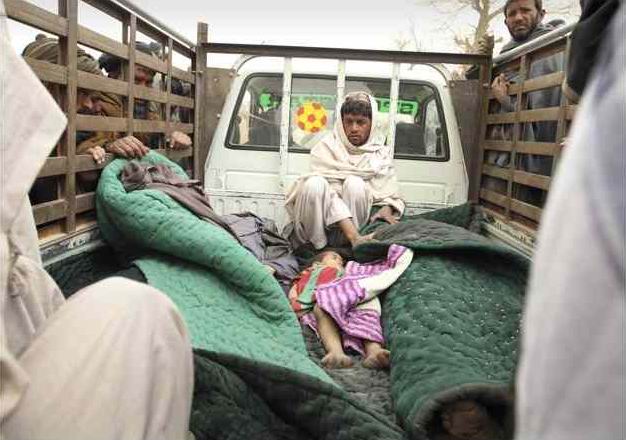
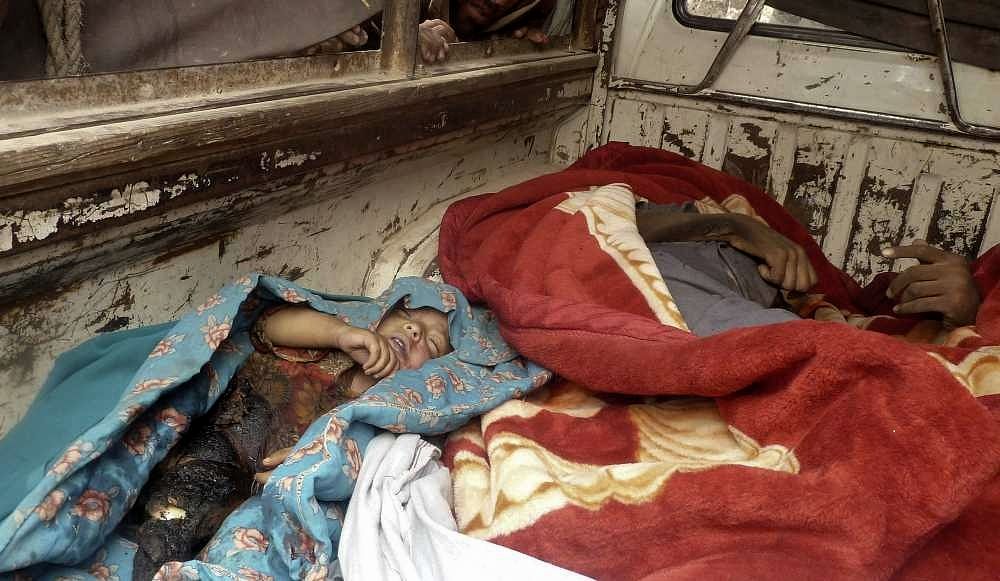
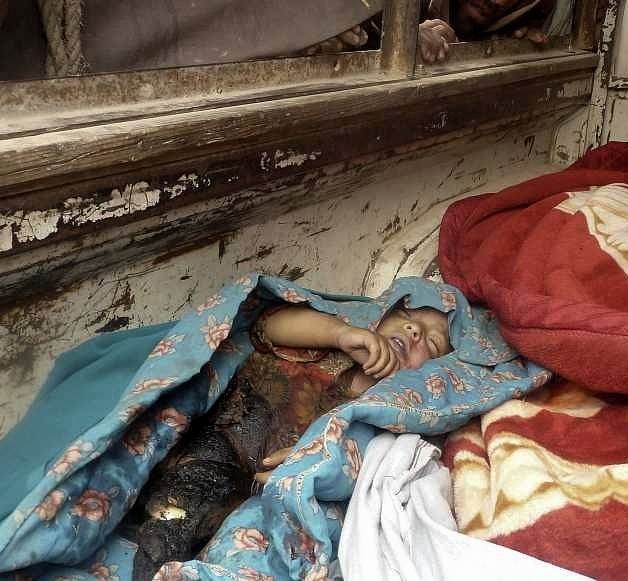
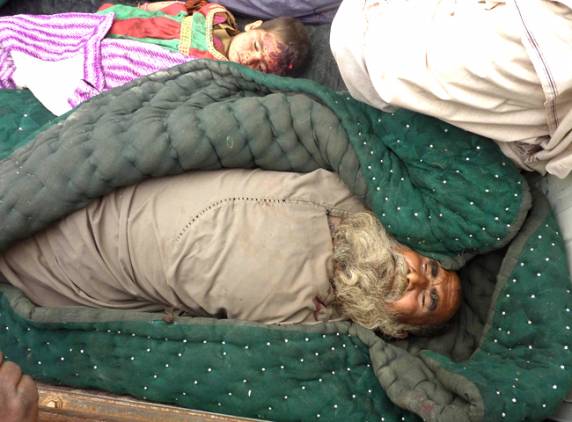
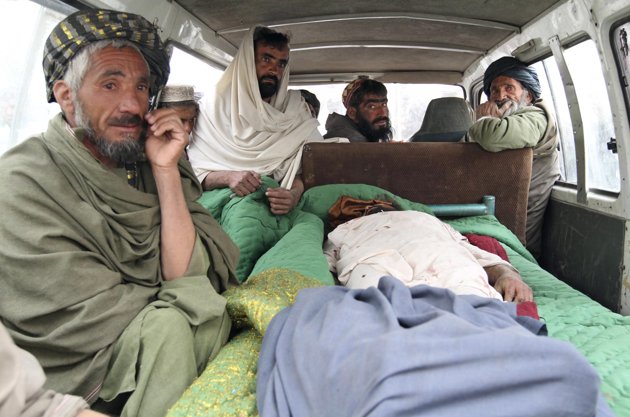
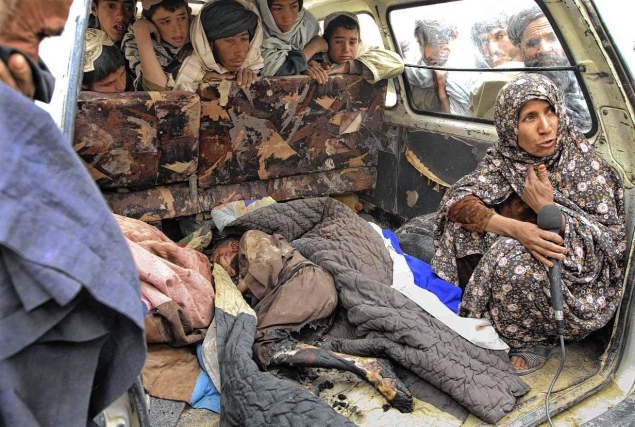
On March 11, 2012, Bales left his combat outpost in Panjwai. He systematically entered civilian homes, executing 16 individuals, including women and children, and setting their bodies on fire to destroy evidence.
3. Investigation and Arrest
The U.S. Army conducted a thorough investigation. Ballistic evidence and eyewitness testimony from Afghan survivors were critical in securing the case against Bales.
4. Legal Proceedings and Outcome
Bales pleaded guilty in June 2013 to avoid the death penalty. In August 2013, a military jury sentenced him to life in prison without the possibility of parole.
5. Psychiatric Evaluation and Conclusion
Defense claims of PTSD and traumatic brain injury were presented, but failed to mitigate the severity of the crimes. Bales is currently serving his sentence in a military facility.