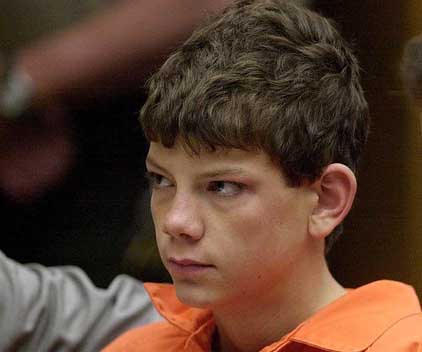





Forensic & Criminological Matrix
| Parameter | Forensic Detail |
|---|---|
| Full Legal Name | Charles Andrew Williams (known as Andy Williams) |
| Media & Criminological Moniker | The Santana High School Shooter |
| Nationality | United States |
| Date of Birth | February 8, 1986, Frederick, Maryland |
| Age at Incident | 15 years old |
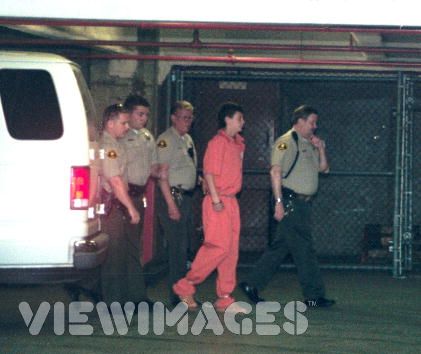
| Current Penal Status | Incarcerated serving 50 years to life; held at Ironwood State Prison / Valley State Prison, California |
| Confirmed Fatalities | 2 students (Bryan Zuckor, 14; Randy Gordon, 17) |
| Gunshot Wounded Victims | 13 individuals (11 students, 1 campus security officer, 1 student teacher) |
| Incident Date & Time | March 5, 2001, at 09:20 AM |
| Crime Scene | Santana High School, Santee, San Diego County, California |
| Weapon Utilized | Arminius .22 Long Rifle eight-shot revolver |
| Ammunition Expended | Over 30 rounds discharged via repeated manual cylinder reloads |
| Judicial Resolution | Prosecuted as an adult; pleaded guilty in 2002 to two counts of second-degree murder and thirteen counts of attempted murder |
Etiology and Chronic Peer Victimization
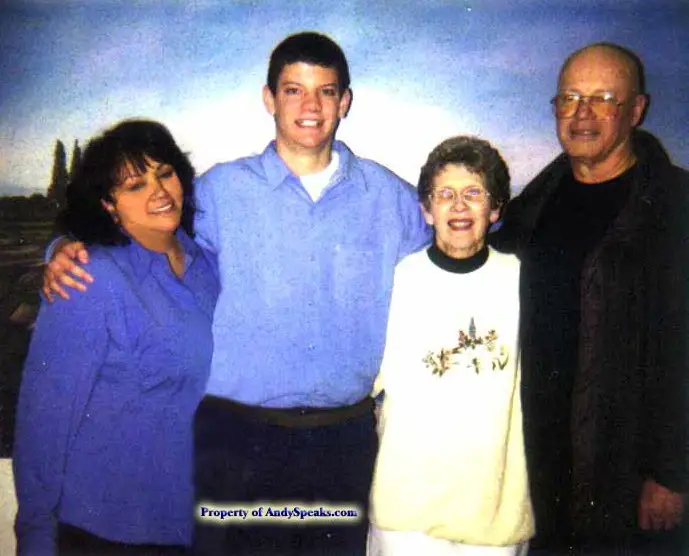
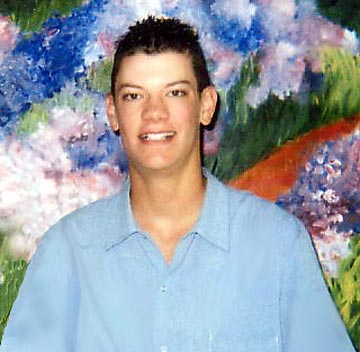
Charles Andrew Williams, a frail, soft-spoken 15-year-old youth, relocated with his divorced father from Maryland to Santee, California, in 2000. Enrolling as a freshman at Santana High School, Williams was subjected to relentless physical bullying and psychological abuse by older students.
Peers routinely stole his skateboard, extorted lunch money, pushed him into lockers, and burned his clothes with lighters without school intervention.
In early March 2001, suffering from clinical depression and social isolation, Williams confided to acquaintances that he intended to "pull a Columbine". While friends patted down his jacket pockets the weekend prior, they dismissed his declarations as teenage posturing and failed to alert school administrators or police.
The March 5, 2001 Mass Shooting
On Monday, March 5, 2001, Williams unlocked his father’s gun cabinet, concealing the eight-shot .22 Arminius revolver and ammunition boxes in his backpack.
Arriving on campus, he entered the men’s restroom near the quadrangle:
- At 09:20 AM, he loaded the eight-cylinder revolver.
- When 14-year-old freshman Bryan Zuckor walked in, Williams shot him point-blank in the head and torso, killing him instantly.
- He shot other students standing near the mirrors, wounding several.
- Williams stepped into the open quadrangle and hallway corridors, firing indiscriminately into gathering crowds of students during morning break.
- He reloaded the cylinder multiple times using loose ammunition carried in his pockets.
- Senior student Randy Gordon (17) was shot and killed outside while attempting to shield younger students.
- A campus supervisor and a student teacher were struck while directing evacuations.
Williams discharged over thirty rounds across six minutes, sending nearly 1,800 students fleeing into adjacent residential streets.
Restroom Barricade and Surrender
With ammunition running low, Williams retreated inside the men’s restroom, placing the gun barrel to his temple.
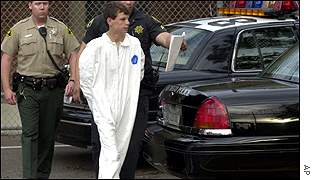
Before he could pull the trigger, an off-duty police officer and San Diego County Sheriff's deputies breached the restroom with handguns drawn.
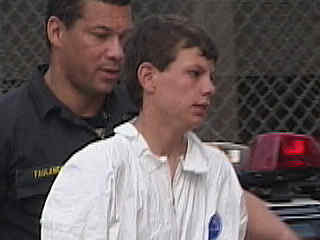
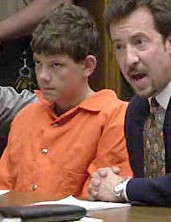
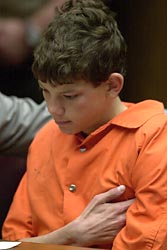
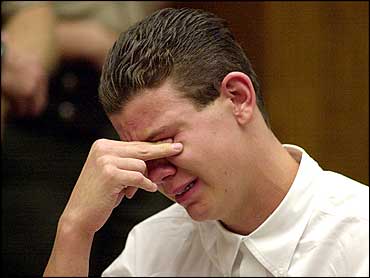
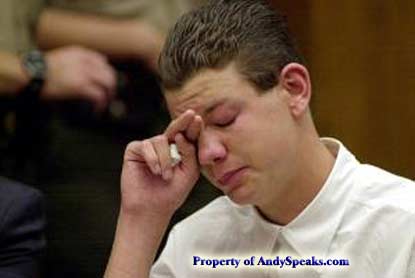
Williams dropped the weapon onto the floor, dropped to his knees, and surrendered without resistance. In tears while being handcuffed, he told arresting officers:
"I was just tired... I couldn't take people picking on me and beating me every day anymore. I just wanted them to leave me alone."
Criminal Conviction and 50 Years to Life
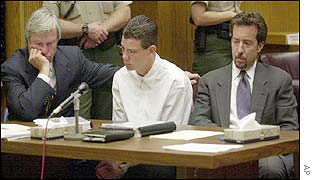
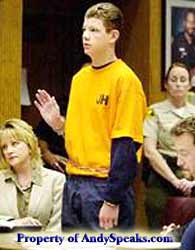
Under California's Proposition 21, the San Diego District Attorney's Office directly indicted 15-year-old Williams in adult criminal court.
To avoid a potential consecutive sentence exceeding three centuries, Williams agreed to a plea agreement in June 2002, pleading guilty to two counts of second-degree murder and thirteen counts of attempted murder with a firearm enhancement.
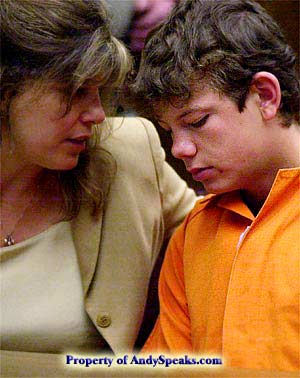
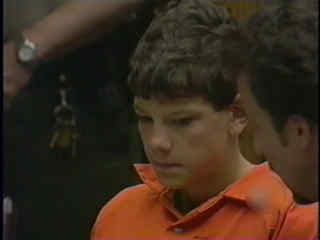
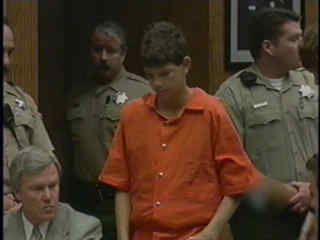
On August 15, 2002, Superior Court Judge Herbert J. Exarhos sentenced Williams to 50 years to life in state prison.
While incarcerated, Williams completed his education and worked as a peer counselor. In recent years, California youth offender sentencing reforms (Senate Bills 260 and 261) have authorized parole board panels to conduct youthful offender parole evaluations for Williams.