Forensic & Criminological Matrix
| Parameter | Forensic Detail |
|---|---|
| Forensic Heading / Aliases | The Canning Vale Restroom Killer |
| Legal Identity | Dante Shannon Arthurs |
| Confirmed Victims | 1 (Sofia Rodriguez-Urrutia Shu, 8) |
| Active Timeline | June 26, 2006 |
| Jurisdiction / Area of Operations | Canning Vale, Perth, Western Australia |
| Criminological Classification | Opportunistic predatory offender / Lethal impulsive assailant |
| Forensic Modus Operandi | Interception in public commercial facility restrooms followed by fatal asphyxiation |
| Weapon / Mechanism of Death | Manual strangulation / Mechanical asphyxia |
| Motive / Behavioral Dynamics | Aggressive paraphilic impulse and severe psychopathic trait profile |
| Judicial Outcome | Life imprisonment with a minimum non-parole period of 13 years |
1. Offender Background and Dynamics
Dante Shannon Arthurs was born in December 1984 in Western Australia. Prior to 2006, he had no significant criminal convictions, though retrospective psychiatric evaluations highlighted severe social detachment and covert paraphilic obsessions that escalated in early adulthood.
2. The Livingston Shopping Centre Attack
On June 26, 2006, at the Livingston Marketplace shopping complex in Canning Vale, eight-year-old Sofia Rodriguez-Urrutia Shu entered the public restrooms while her family was nearby. Arthurs ambushed the child in the facilities, inflicting fatal manual strangulation before exiting the premises.
3. Forensic Identification and Arrest
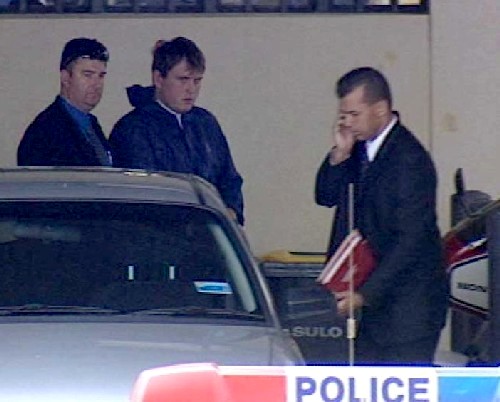
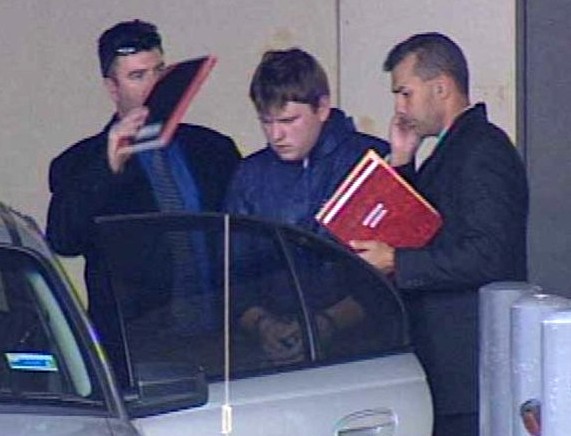
Closed-circuit television (CCTV) cameras captured Arthurs entering and exiting the restroom area within the narrow timeframe of the assault. Forensic analysis confirmed a definitive DNA match connecting Arthurs to physical evidence gathered at the crime scene.
4. Conviction and Sentence
In the Supreme Court of Western Australia, Arthurs entered a guilty plea to wilful murder. Justice Lindy Jenkins imposed a mandatory sentence of life imprisonment with a minimum non-parole term of 13 years. Subsequent parole applications have been consistently denied by state authorities.