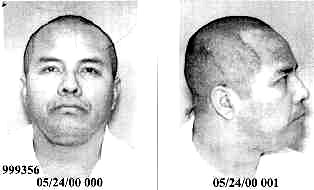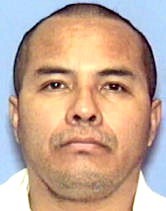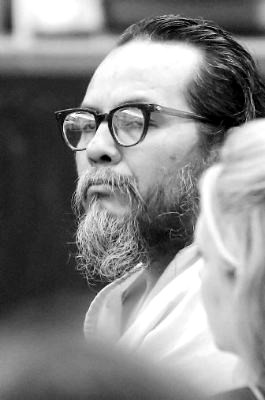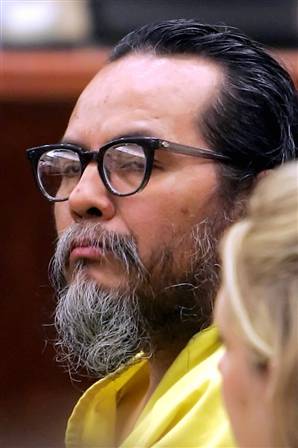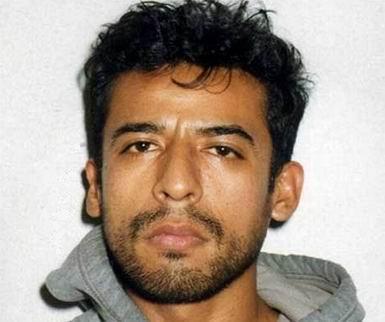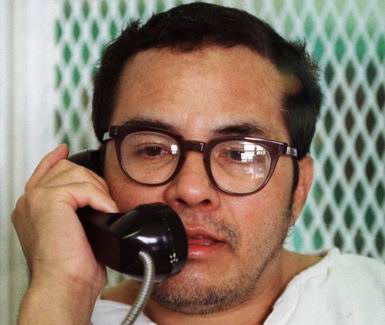



Forensic & Criminological Matrix
| Parameter | Forensic Detail |
|---|---|
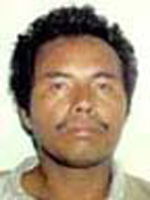
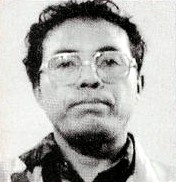
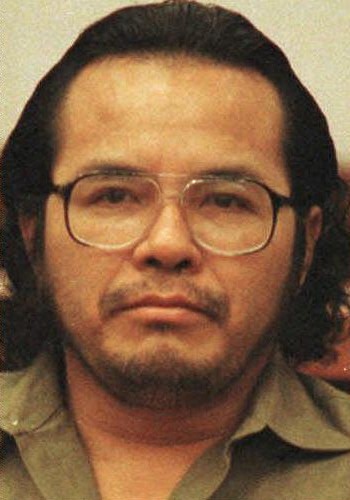
| Legal Birth Name | Ángel Leoncio Reyes Recendis |
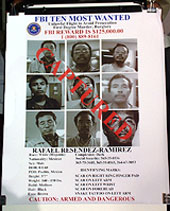
| US Federal Prosecution Alias | Ángel Maturino Reséndiz (alias Rafael Resendez-Ramirez) |
| Criminological Moniker | The Railroad Killer |
| Nationality | Mexican |
| Date of Birth | August 1, 1959, Izúcar de Matamoros, Puebla, Mexico |
| Date of Execution | June 27, 2006 (aged 46) |
| Execution Facility | Huntsville Unit, Huntsville, Texas |
| Execution Method | Lethal injection |
| Confirmed Murder Victims | At least 15 verified homicides matched via FBI CODIS DNA and latent fingerprints |
| Attributed/Confessed Murders | Up to 23 serial killings across North American rail networks |
| States Impacted | Texas, Kentucky, Illinois, Florida, and Georgia |
| Cause of Death & Weapons | Massive bludgeoning using weapons of opportunity (heavy railway track ballast stones, pickaxes, sledgehammers, heavy statues, shotguns) |
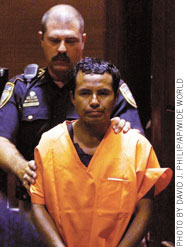
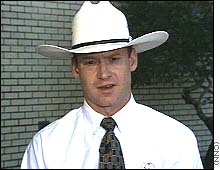
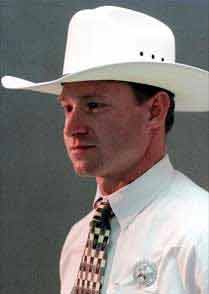
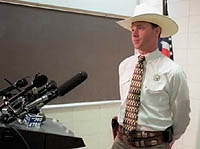
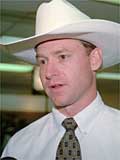
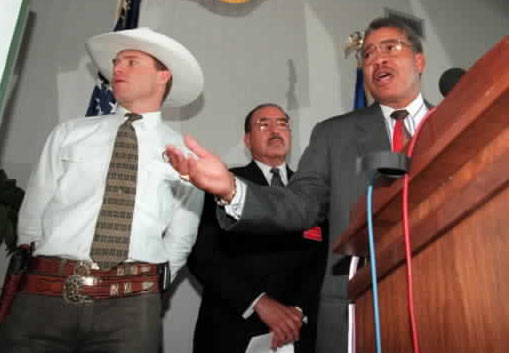
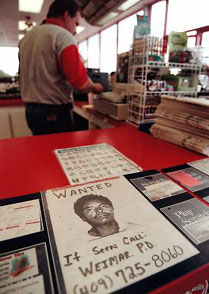
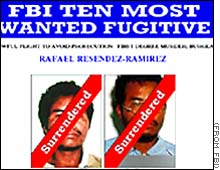
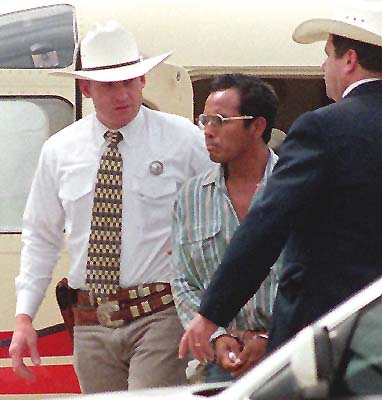
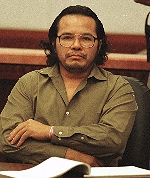
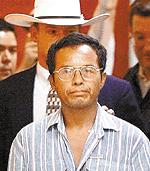
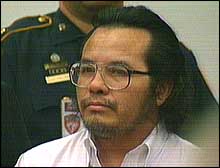
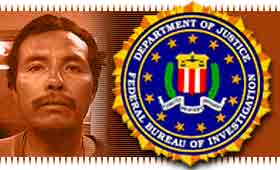
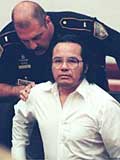
| Historic Apprehension | FBI Top Ten Most Wanted fugitive; voluntary surrender negotiated by Texas Ranger Drew Carter |
The Freight Train Itinerant
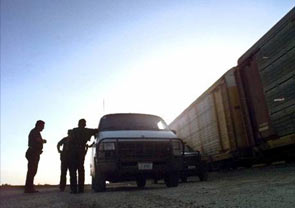
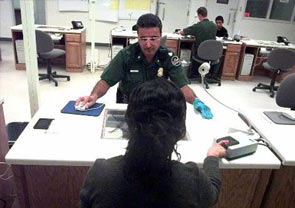
Born in Puebla, Mexico, Ángel Leoncio Reyes Recendis illegally breached the US border in the late 1970s. Over twenty years, he established a staggering immigration history: arrested and formally deported by the US Border Patrol on at least twelve occasions, he routinely hopped back onto northbound freight trains within hours of removal.
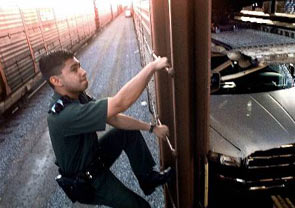
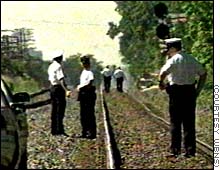
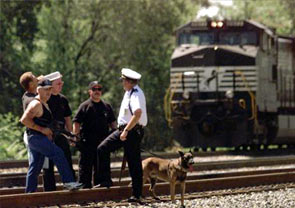
Reséndiz mastered the continental freight rail system of Union Pacific, CSX, and Kansas City Southern. Living as a trespasser on railway flatcars, boxcars, and couplings, he traversed the continent without tickets or municipal tracing.
Within this transient existence, he fostered severe messianic delusions, viewing himself as an angel of divine vengeance tasked with slaughtering sinners.
Modus Operandi of "The Railroad Killer"
Between 1986 and 1999, Reséndiz executed homicides following a distinct operational signature:
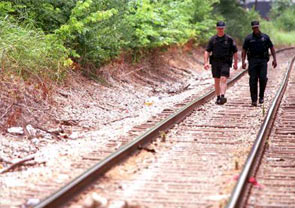
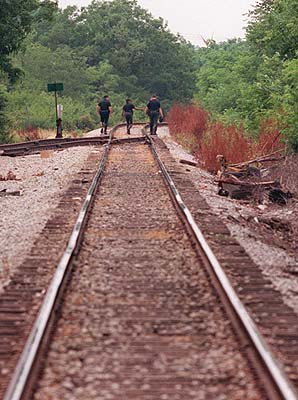
- Rail Proximity: Victim homes were situated within walking distance (frequently 50 to 200 meters) of active freight rail tracks.
- Opportunistic Infiltration: He jumped off freight trains during nighttime switching operations or siding stops, casing isolated homes lacking exterior illumination.
- Weapons of Opportunity: Rather than carrying weapons, he appropriated blunt objects at the scene—heavy 40-pound railroad track ballast stones, pickaxes, sledgehammers, and bronze statuary.
- Catastrophic Bludgeoning: Ambushing sleeping victims, he repeatedly crushed their skulls and facial anatomy into total destruction.
- Post-Mortem Rituals: He sexually assaulted female victims before or immediately after biological death; draped decorative rugs or blankets over corpses to avoid their gaze; calmly consumed food from the victims' refrigerators; scavenged small items of jewelry as trophies; and walked back to the railroad corridor to hop a passing train.
Milestone Murders and DNA Evidence
- Christopher Maier (Lexington, Kentucky, August 1997): 21-year-old college student attacked alongside railroad tracks with girlfriend Holly Dunn. Reséndiz pulverized Maier’s skull with a 50-pound track ballast rock. Dunn was beaten, raped, and left for dead, miraculously surviving to become the only living survivor of the Railroad Killer and providing crucial physical descriptions.
- Dr. Claudia Benton (Houston, Texas, December 1998): Renowned pediatric cancer researcher raped, repeatedly stabbed, and bludgeoned to death in her home with a bronze statue. Reséndiz left fingerprint and DNA evidence, driving her vehicle to San Antonio before discarding it.
- Reverend Norman Sirnic and Karen Sirnic (Weimar, Texas, May 1999): Pastoral couple bludgeoned to death in their parsonage adjacent to the railroad tracks with an iron sledgehammer.
- Noemi Dominguez and Josephine Holbert (Houston, June 1999): Schoolteacher and 73-year-old grandmother slain days apart via massive blunt cranial trauma.
FBI Dragnet and Surrender
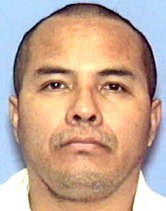
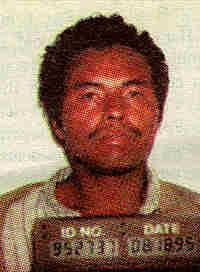
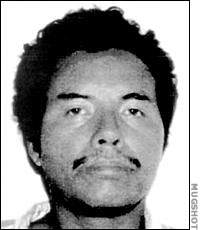
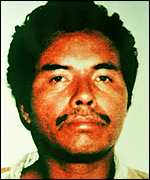
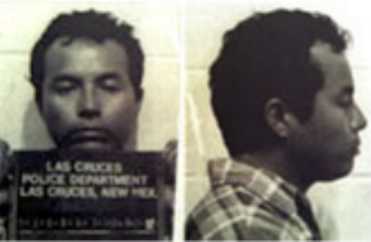
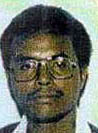
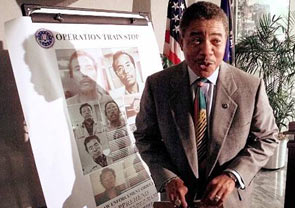
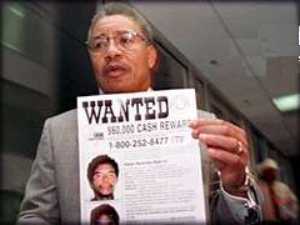
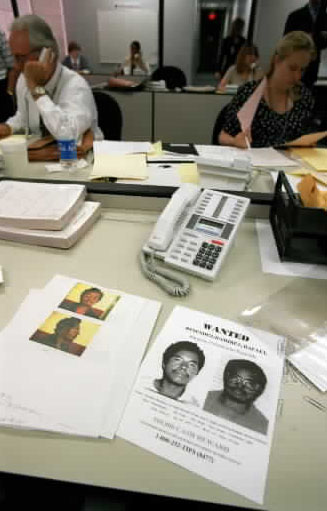
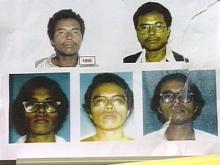
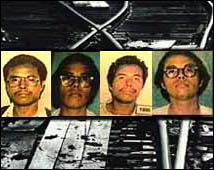
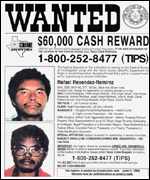
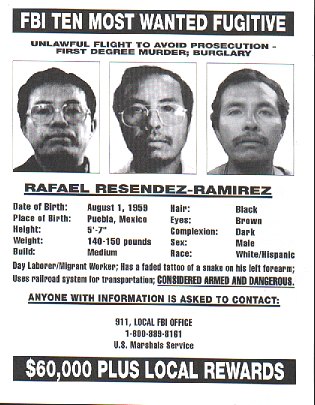
CODIS DNA and latent fingerprint cross-matches unified the interstate killings under a single serial predator. In June 1999, the FBI designated Ángel Maturino Reséndiz as the 457th fugitive on its Top Ten Most Wanted list.
National outrage escalated when records proved that US Border Patrol agents had detained Reséndiz in Texas days earlier and, owing to federal database communication lags, processed him back into Mexico without running a fingerprint homicide check.
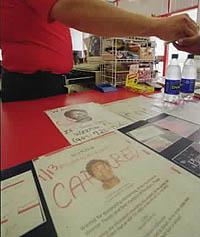
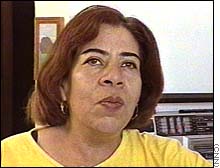
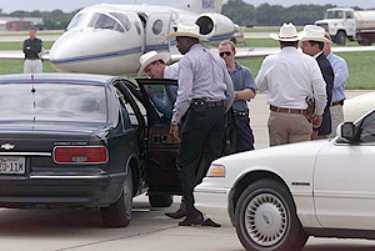
Texas Ranger Drew Carter spearheaded the search: he initiated contact with Reséndiz’s sister, Manuela Kahan, in New Mexico. Carter assured her that if Reséndiz surrendered peacefully, his legal rights would be safeguarded from federal shootout scenarios.
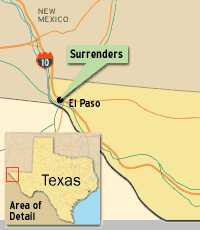
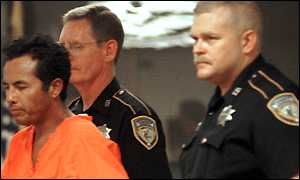
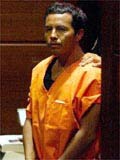
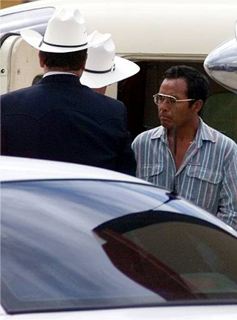
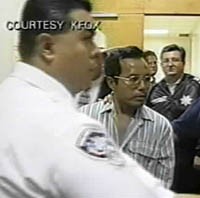
On July 13, 1999, Reséndiz walked onto the international border bridge connecting Ciudad Juárez and El Paso, shaking hands with Ranger Carter and peacefully submitting to federal custody.
Trial and Capital Punishment
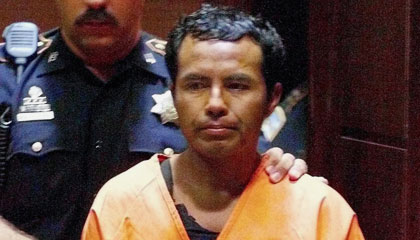
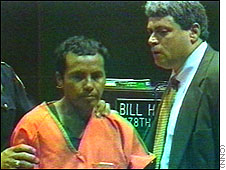
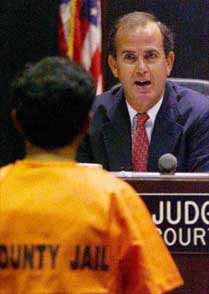
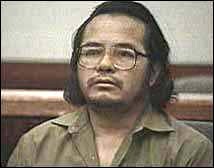
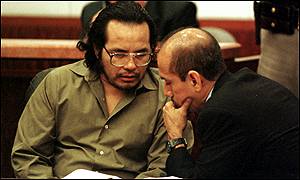
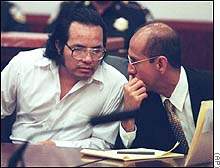
Tried in Houston for the capital murder of Dr. Claudia Benton, defense attorneys entered an insanity plea, presenting psychiatric testimony of paranoid schizophrenia and delusions wherein Reséndiz claimed he was half-man, half-angel incapable of being executed.
State forensic experts countered that his calculated counter-forensic behaviors—wearing gloves, cleaning murder scenes, covering bodies, and fleeing across state borders—proved complete awareness of moral and legal wrongfulness.
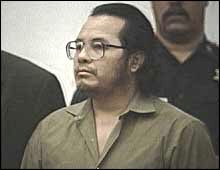
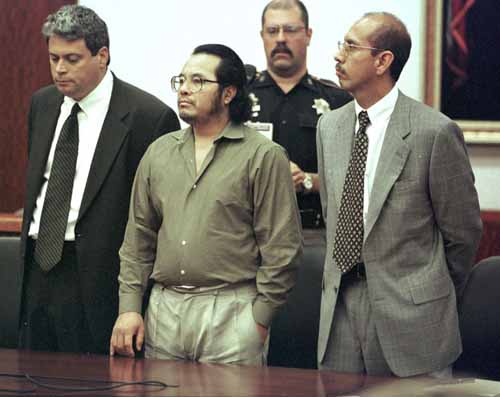
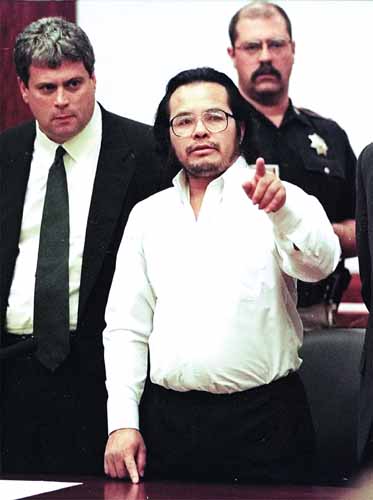
In May 2000, the jury convicted Reséndiz of capital murder, voting for the death penalty.
Following judicial appeals, Ángel Maturino Reséndiz was executed by lethal injection at the Huntsville Unit in Texas on June 27, 2006. In his final statement from the gurney, he asked forgiveness from the victims' families witnessing his execution.