




Forensic & Criminological Matrix
| Parameter | Forensic Detail |
|---|---|
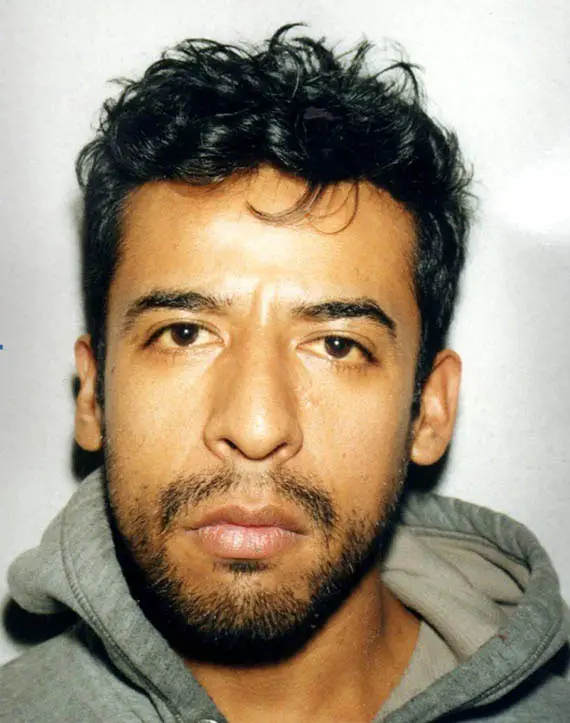
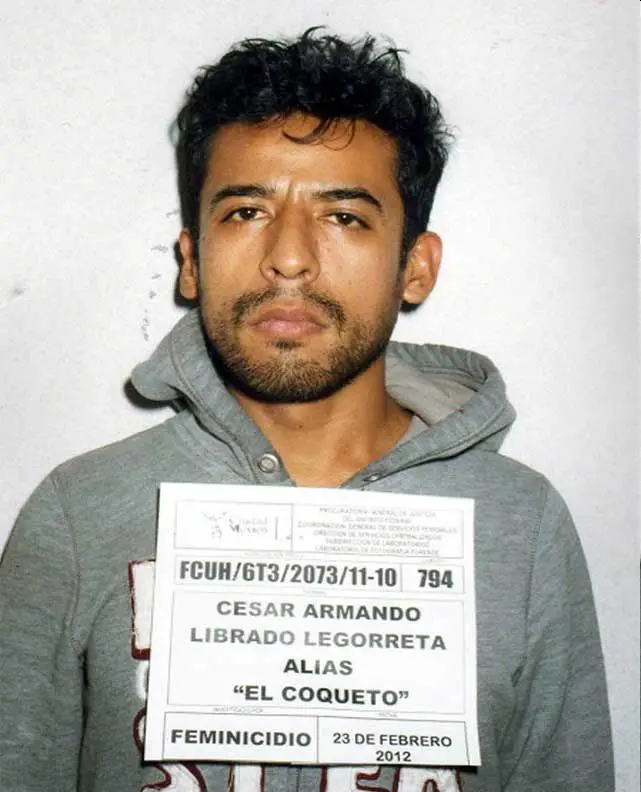
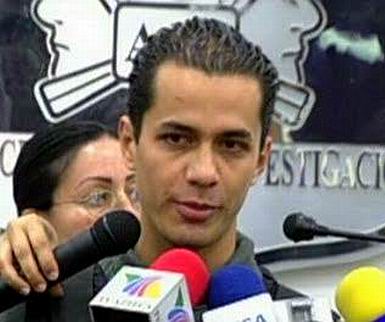
| Full Legal Name | César Armando Librado Legorreta |
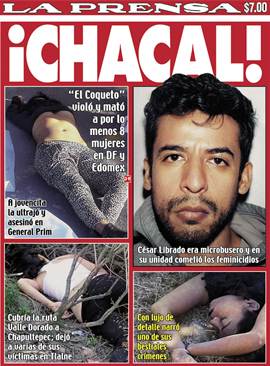
| Media & Criminological Moniker | El Coqueto (The Flirt) |
| Nationality | Mexican |
| Estimated Birth Window | c. 1982, Mexico City / State of Mexico |
| Current Penal Status | Serving consecutive sentences totaling over 240 years' imprisonment; confined at Tepachico / Barrientos High Security Prison |
| Confirmed Murder Victims | 6 young women murdered via mechanical asphyxiation |
| Documented Survivors | 1 young woman sexually assaulted and throttled who survived being thrown into a ravine |
| Occupation & Cover | Licensed public passenger minibus driver operating Route 2 (Metro Chapultepec – Valle Dorado) |
| Active Serial Span | July 2011 – January 2012 |
| Geographic Theater | Tlalnepantla, Naucalpan, Cuautitlán Izcalli, State of Mexico |
| Mechanism of Death | Manual strangulation applied across the victim's larynx within the passenger aisle |
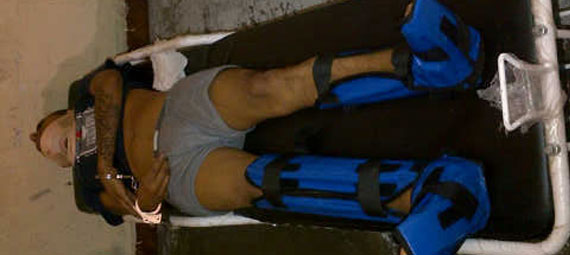
| Notable Escape Episode | Dramatic pre-trial escape by leaping handcuffed from a third-story window at the Tlalnepantla prosecutor’s headquarters, sustaining major lumbar spinal fractures |
Predatory Transit Pattern
César Armando Librado Legorreta, nicknamed El Coqueto for his practiced flattery and flirtatious behavior toward female passengers, drove a public transit minibus on Route 2, a major arterial route connecting Metro Chapultepec in central Mexico City to sprawling suburban hubs in the State of Mexico.
Exploiting his vehicle as an enclosed, soundproof mobile trap with tinted windows, Librado Legorreta established a predatory sequence:
- He operated during late-night shift runs (between 10:00 PM and midnight) when female commuters traveled unaccompanied.
- He waited until passenger density dropped to a single woman.
- He faked a mechanical breakdown, flat tire, or engine stall in unlit industrial sectors of Tlalnepantla or along the Mexico-Querétaro motorway.
Mechanics of the Femicides
Once parked in secluded zones:
- He locked the pneumatic doors, killed internal lighting, and threatened the trapped passenger with knives or physical violence.
- He subjected victims to sexual assaults across the floorboards or rear rows of the minibus.
- To eliminate eyewitnesses, he straddled the victims' torsos, applying unyielding manual strangulation until cerebral hypoxia caused brain death.
- He scavenged mobile phones and jewelry, discarding the bodies into drainage canals, open storm drains, or highway embankments along the Vía Gustavo Baz.
Between July 2011 and January 2012, six young women aged seventeen to thirty were murdered under this pattern: Blanca Elia, Camila, Eva, Fernanda, Dayana, and Patricia.
The Lone Survivor and Arrest
The serial investigation broke in early January 2012. Librado Legorreta attacked a 20-year-old passenger, sexually assaulting and throttling her into unconsciousness. Assuming she was dead, he tossed her down a steep wastewater ditch in Tlalnepantla.
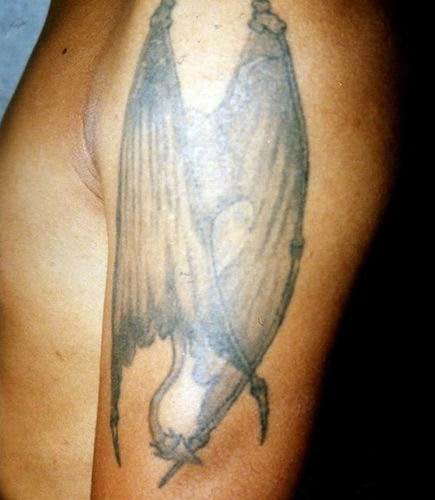
The survivor regained consciousness, climbed the drainage bank, and contacted authorities. She delivered vital forensic intelligence to homicide detectives: vehicle route details, cabin decorations, and the driver's distinctive tattoos.
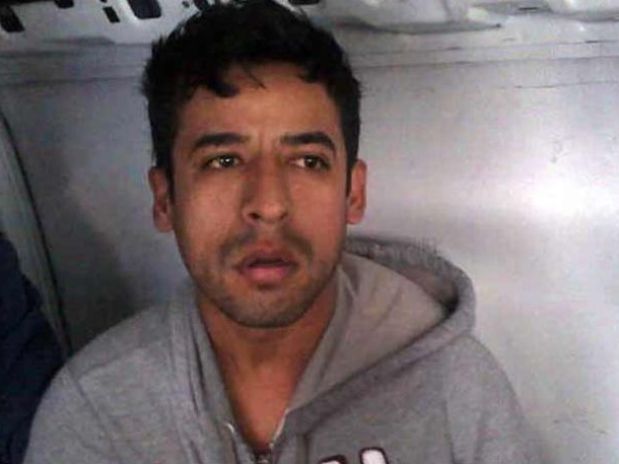
On February 26, 2012, State of Mexico ministerial police intercepted and arrested Librado Legorreta behind the wheel of his minibus in Tlalnepantla. Under interrogation, he confessed to six femicides, guiding police to body disposal sites.
The Third-Story Escape and Recapture
On the early morning of February 27, 2012, a major security scandal occurred:
- Librado Legorreta was held handcuffed to a chair on the third floor of the Tlalnepantla regional prosecution headquarters.
- Noticing that his three assigned police guards had fallen asleep, he slipped free from his seat bindings.
- Facing a life sentence, he forced open a window and jumped from a height of twenty-five feet onto the concrete parking lot below.
The fall shattered his lumbar vertebrae and both ankles. Despite paralyzing agony, he dragged his body with his arms across dozens of meters of asphalt in darkness, flagged down an unwitting taxi, and persuaded relatives to hide him in an apartment in Magdalena Contreras, Mexico City.
The escape provoked widespread public fury, prompting the immediate suspension and arrest of the negligent detectives.
Trial and Historic Sentence
On March 3, 2012, tactical units raided the Mexico City safe house, recapturing El Coqueto as he lay immobilized in bed from spinal trauma.
Following emergency spinal surgery under armed guard, he was remanded to Barrientos Prison.
At trials spanning 2012 and 2013, State of Mexico courts handed down consecutive sentences exceeding 240 years in prison for multiple aggravated femicides, rape, and attempted murder, concluding one of modern Mexico’s most notorious transit-based serial killing cases.