



Forensic & Criminological Matrix
| Parameter | Forensic Detail |
|---|---|
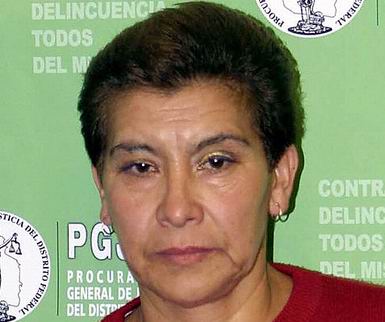
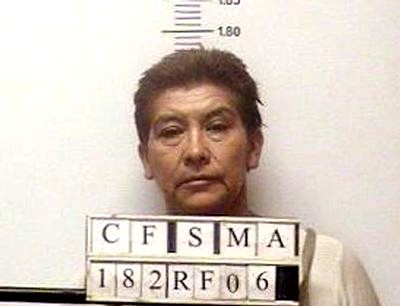
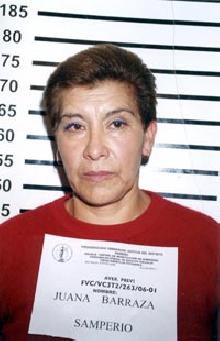
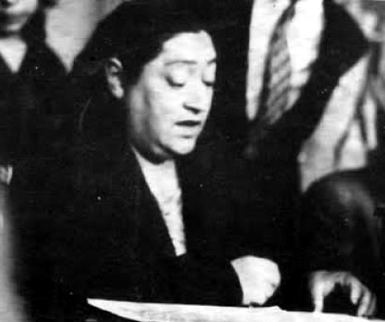
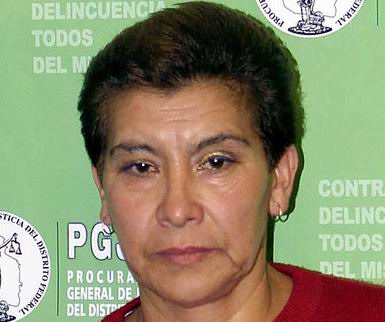
| Identity | Juana Dayanara Barraza Samperio |
| Known Aliases | "La Mataviejitas" (The Old Lady Killer), "La Dama del Silencio" (The Lady of Silence) |
| Criminal Classification | Serial killer, geriatric strangler, and predatory home-invasion robber |
| Date of Birth | December 27, 1957 (Epazoyucan, Hidalgo, Mexico) |
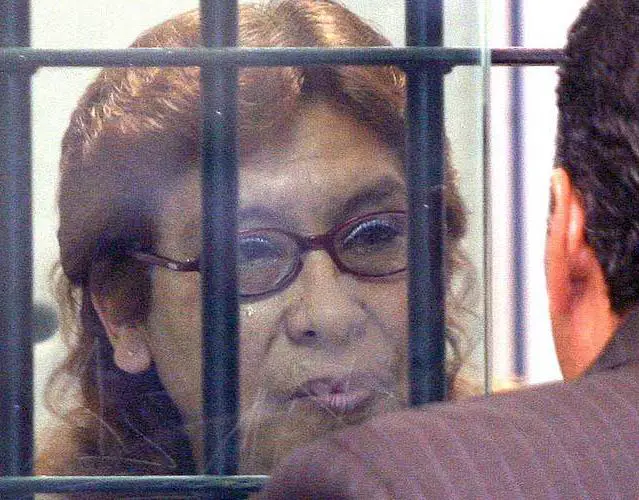
| Legal Status | Incarcerated, serving an aggregate sentence of 759 years at the Santa Martha Acatitla Women’s Penitentiary (Mexico City) |
| Criminal Indictment | Convicted of 16 counts of aggravated first-degree murder and 12 counts of aggravated burglary (investigated in over 40 serial homicides) |
| Fatalities | At least 16 elderly female victims proven in court (forensic and police registries estimate true casualty counts between 42 and 48) |
| Crime Scenes | Cuauhtémoc, Venustiano Carranza, Benito Juárez, Coyoacán, and Gustavo A. Madero boroughs, Mexico City |
| Active Period | 1998 – 2006 |
| Modus Operandi | Posing as a clinical nurse, social worker, or government welfare benefits representative to gain unforced entry into residences of elderly women living alone; deploying martial wrestling holds, manual strangulation, or ligature asphyxiation utilizing pantyhose, telephone cords, or medical stethoscopes; ransacking domiciles for pensions and costume jewelry before exiting placidly. |
| Motive | Psychopathic matricidal displacement rooted in extreme childhood sexual trauma, sadism, and predatory robbery. |
| Current Status | Incarcerated in maximum security with zero possibility of release. |
Forensic Synopsis and Historical Context
The case of Juana Barraza Samperio, celebrated internationally as "La Mataviejitas" (The Old Lady Killer), stands as Mexico’s most famous and extensively publicized serial murder investigation. Over an eight-year predatory reign in the Federal District, Barraza preyed upon elderly, solitary women within their own apartments, extinguishing dozens of lives through lethal manual and ligature strangulation.
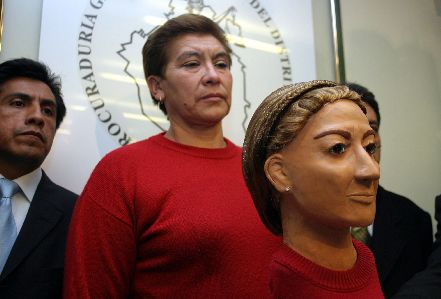
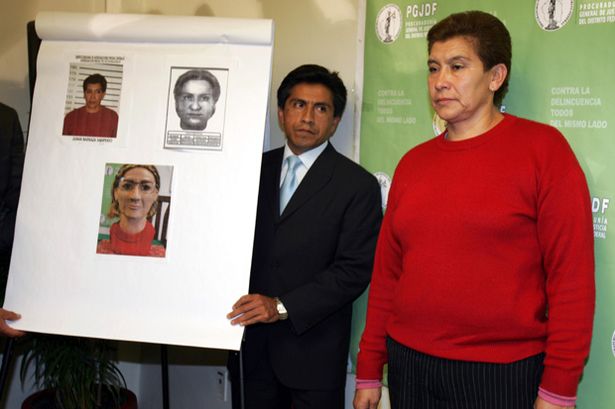
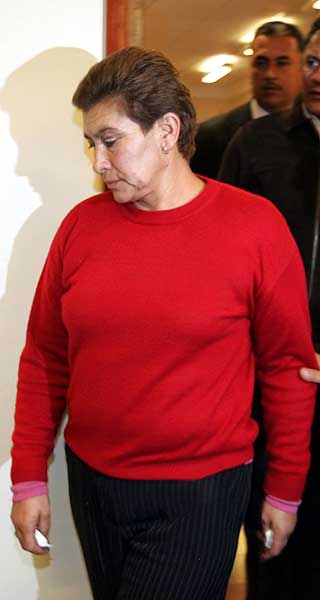
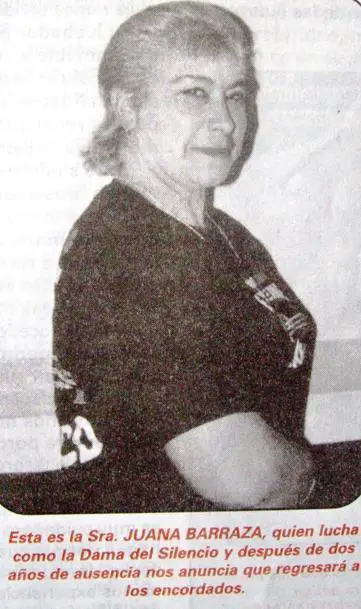
The case profoundly disrupted traditional profiling paradigms within Mexican law enforcement: for years, criminologists at the Mexico City Attorney General’s Office (PGJDF) dogmatically insisted that the killer was an athletic, cross-dressing male due to the immense physical force required to fracture thyroid cartilages and witness sightings of broad shoulders. Her red-handed capture in January 2006 revealed a mother and semi-professional lucha libre wrestler known in provincial arenas as "La Dama del Silencio" (The Lady of Silence).
Childhood Abuse and Pathological Matricidal Rage
Born into rural destitution in Hidalgo, Barraza experienced severe developmental abuse:
- The Three Beers Transaction: Her alcoholic mother, Justa Samperio, traded 12-year-old Juana to an older man in exchange for three beers. The man held Barraza in domestic and sexual captivity for years, resulting in a pregnancy.
- Displaced Matricide: Psychiatric assessments revealed that Barraza projected her rage toward her deceased mother onto elderly female victims who symbolically represented her uncaring parent.
- The Wrestling Persona: Channeling her physical strength, Barraza trained as a professional female wrestler, donning a silver mask and pink wrestling leotard on the independent lucha libre circuit before knee injuries curtailed her athletic income.
The Modus Operandi of "La Mataviejitas": 1998–2006
Barraza developed a lethal, highly calculated approach:
- The Welfare Ruse: Carrying clipboards, official-looking dossiers, and wearing clinical white nurse tunics, Barraza offered elderly citizens assistance with government pensions and free prescription programs.
- The Fatal Ambush: Once welcomed inside (often asking for a glass of water), Barraza attacked from the rear. Employing wrestling chokeholds or improvised ligatures—such as electrical cords, nylon stockings, and medical stethoscopes—she strangled victims until their cervical vertebrae and airway collapsed.
- The Thefts: She systematically rifled through dressers, taking small pensions, silver cutlery, and religious trinkets as trophies.
Profiling Errors and Red-Handed Interception
The protracted investigation suffered numerous investigative failures:
- The Transvestite Myth: Investigators focused exclusively on male cross-dressers, sculpting composite clay busts depicting masculine jawlines that misled the public.
- The Murder of Ana María de los Reyes (January 25, 2006): Barraza entered the home of 84-year-old Ana María de los Reyes Alfaro in the Moctezuma neighborhood, strangling her with a stethoscope. A tenant returned unexpectedly, discovering the corpse and spotting Barraza fleeing in her nurse tunic.
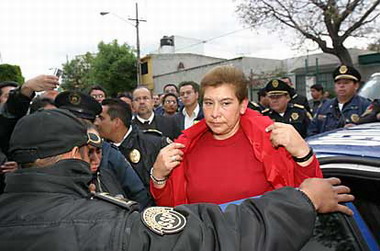
- The Street Pursuit: The tenant pursued her shouting for help. Two patrolmen intercepted Barraza blocks away as she attempted to board a taxi, recovering the bloodstained stethoscope, victim jewelry, and a notebook filled with elderly targets' home addresses.
Fingerprint Confirmation, Trial, and Mass Sentencing
Arraigned before Judge Eduardo Mata at the 67th Criminal Court:
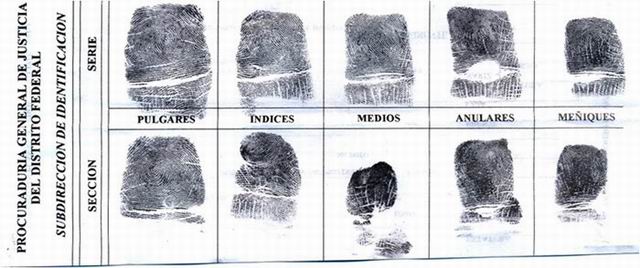
- Dactyloscopic Matches: Forensic crime lab technicians matched Barraza’s latent fingerprints to those recovered across sixteen separate homicide scenes spanning from 2002 to 2006.
- The Sentence: On March 31, 2008, Barraza was convicted of sixteen counts of first-degree murder and twelve counts of aggravated robbery, receiving an aggregate sentence of 759 years and 17 days.
- Penal Confinement: She remains incarcerated within the Santa Martha Acatitla women's penitentiary, documented in global criminological literature as a classic organized female serial killer.