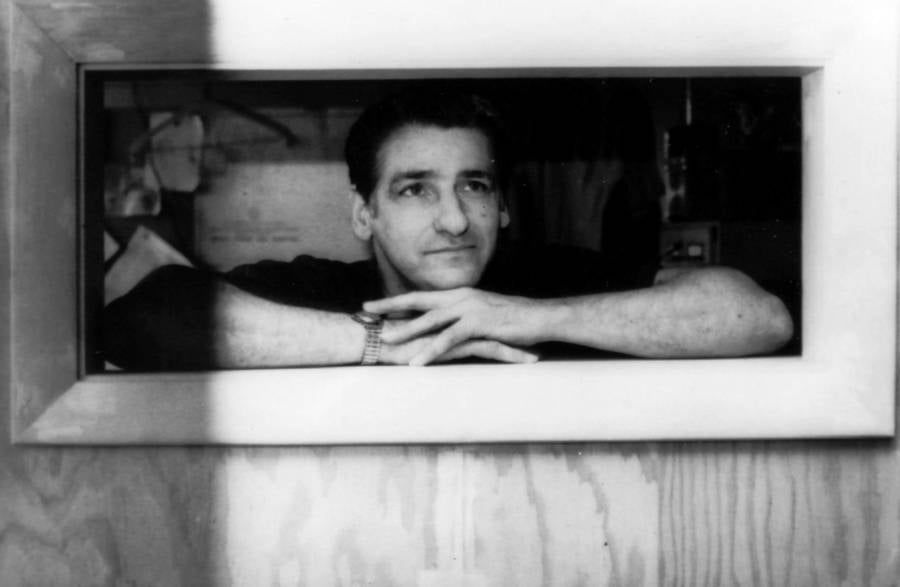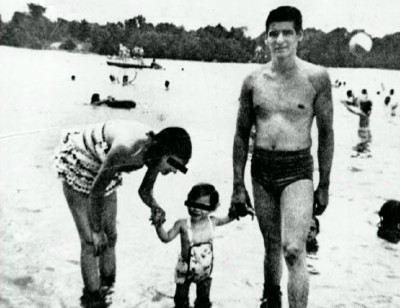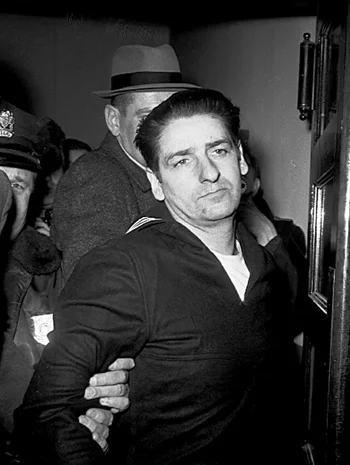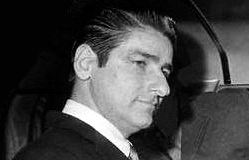




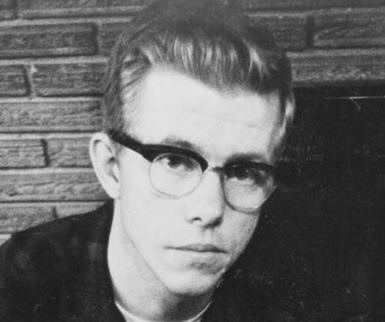
Albert DeSalvo: «The Boston Strangler», The Measuring Man, and the DNA Breakthrough
Executive Summary
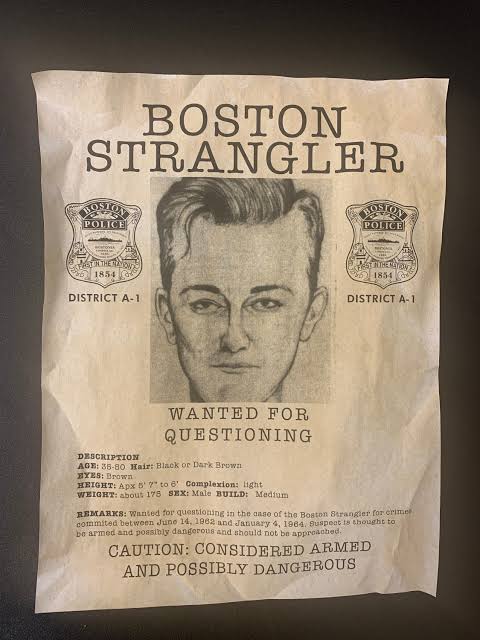
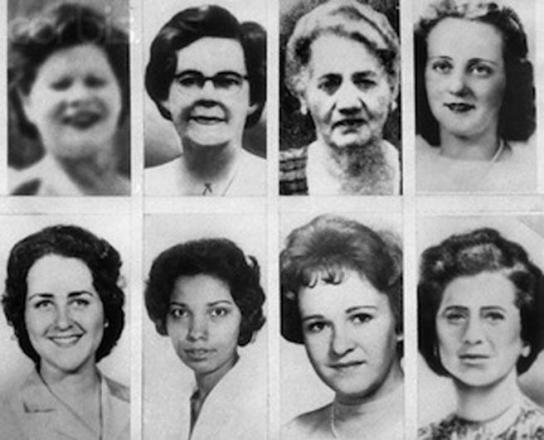
Between June 14, 1962, and January 4, 1964, the Boston metropolitan area in Massachusetts experienced one of the most intense episodes of collective terror in twentieth-century American history. Thirteen single women between the ages of 19 and 85 were strangled in their own homes using improvised ligatures fashioned from their own silk stockings, scarves, and dressing gown cords, arranged into grotesque ornamental bows cinched tightly around their necks.
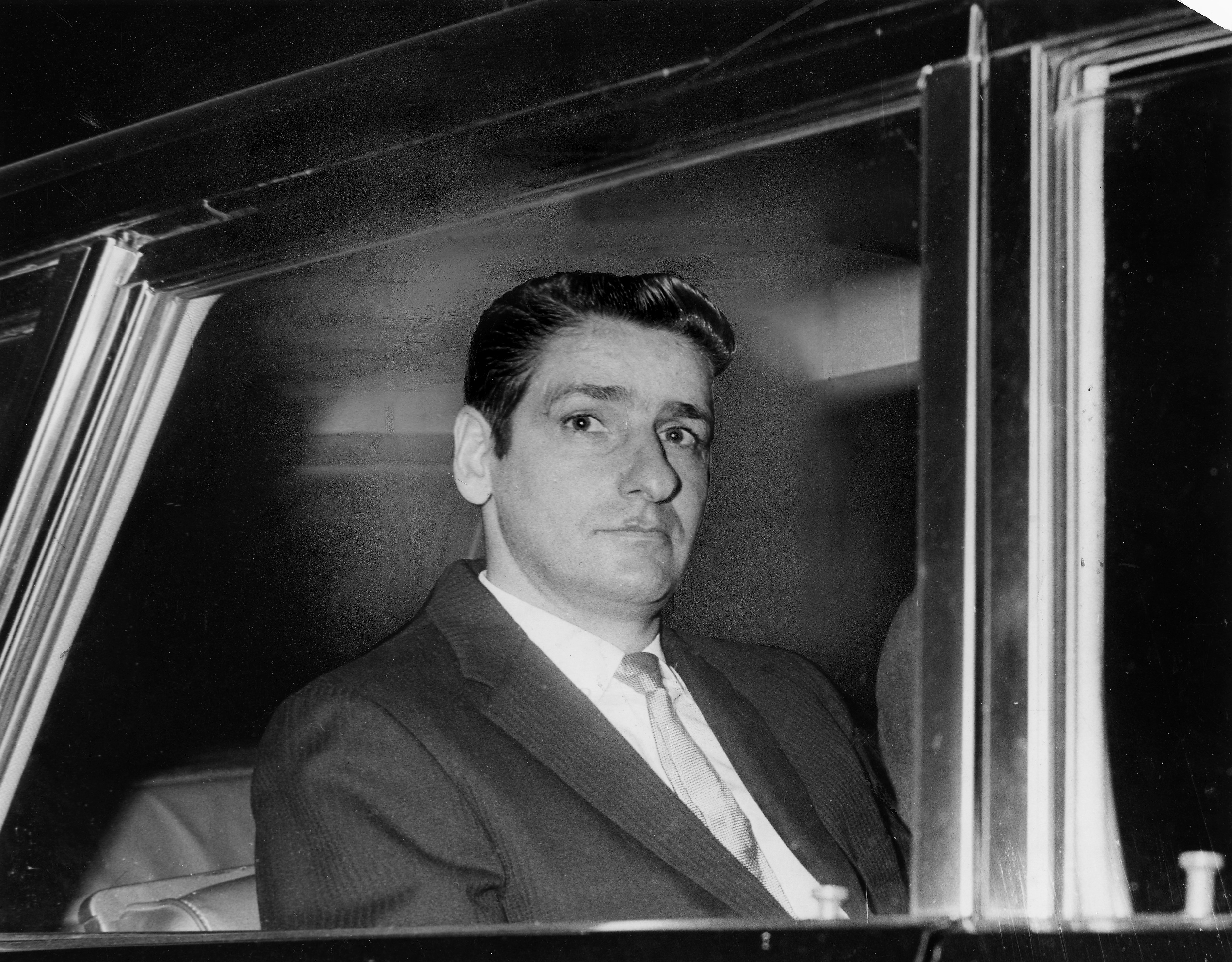
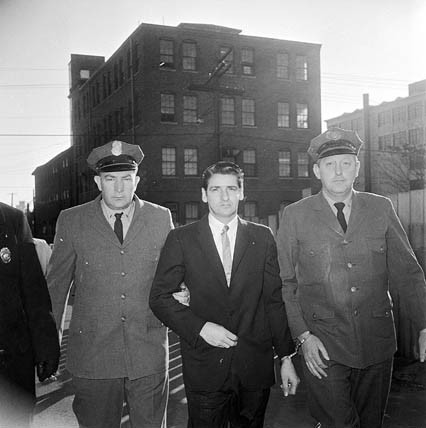
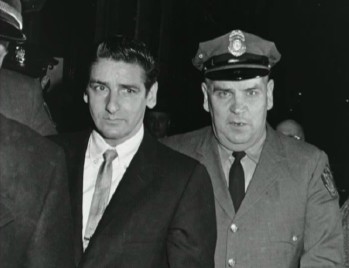
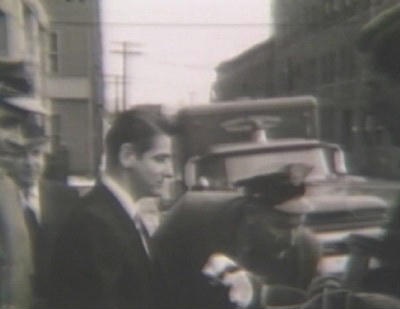
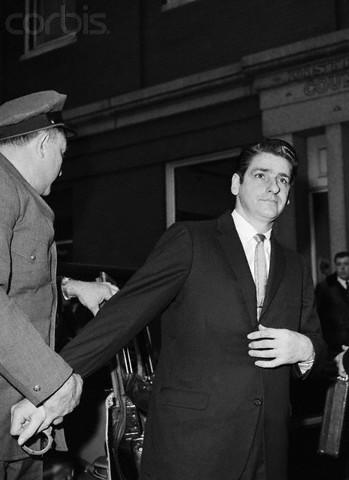
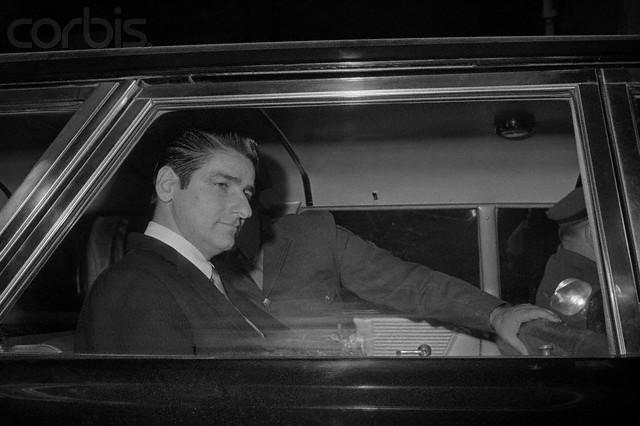
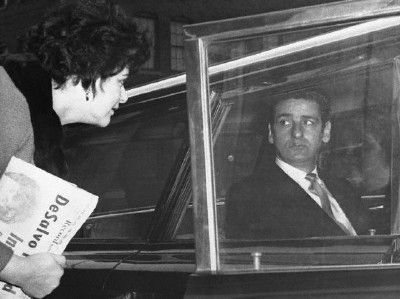
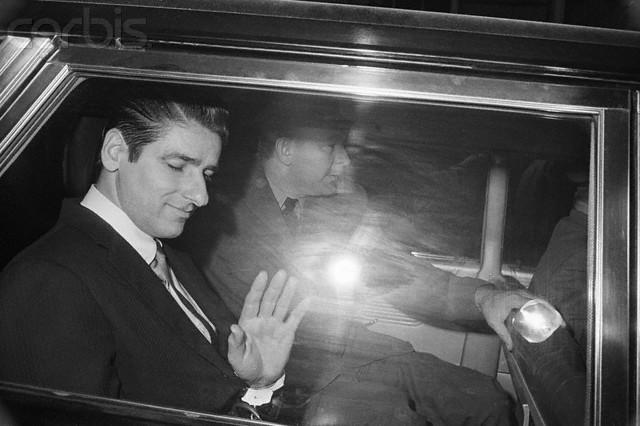
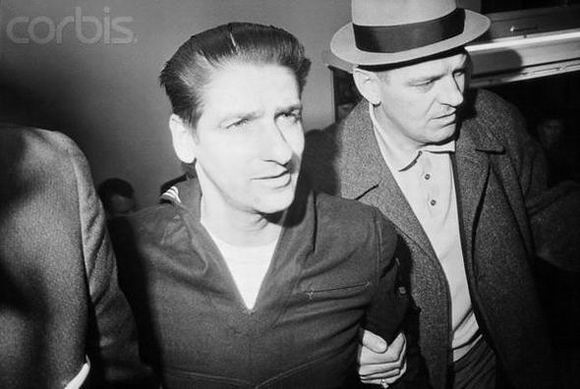
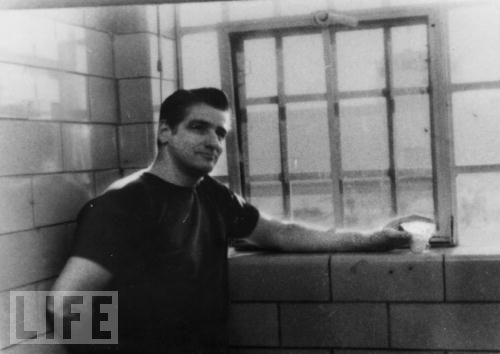
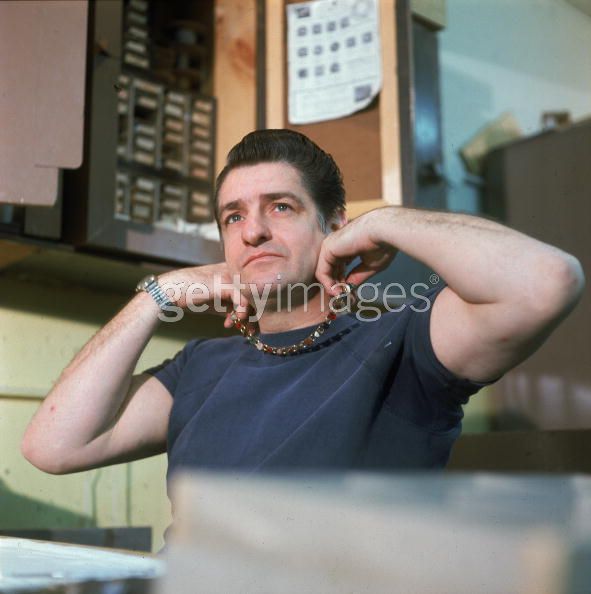
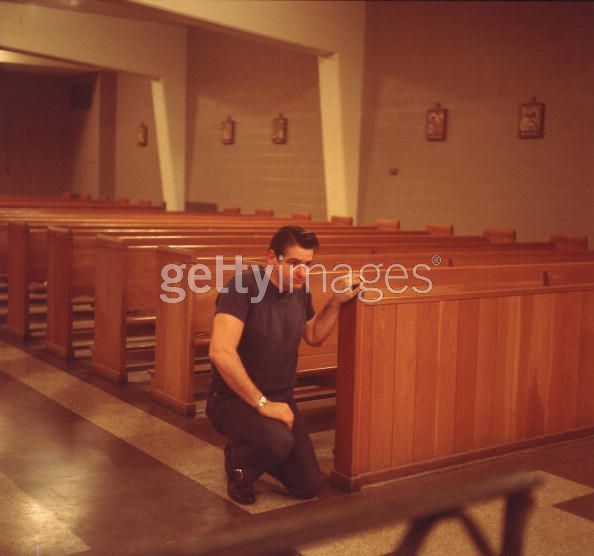
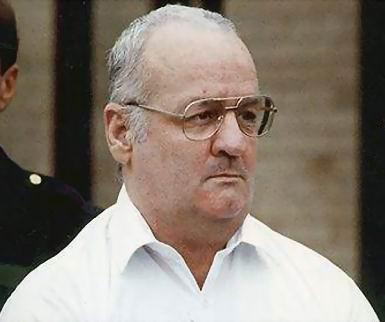
The homicides baffled law enforcement across Boston, Cambridge, and Lynn: initial victims were elderly women attacked inside secured residences showing no signs of forced entry, indicating the perpetrator possessed an affable, disarming demeanor that persuaded residents to open their doors voluntarily; subsequently, the predator shifted to college students and young career women residing in independent apartments. Following an unprecedented multi-jurisdictional inquiry, focus converged upon Albert Henry DeSalvo (1931 – 1973), an industrial machinist and handyman with an extensive record of serial prowling and sex offenses known across Massachusetts under the monikers of "The Measuring Man" and "The Green Man."
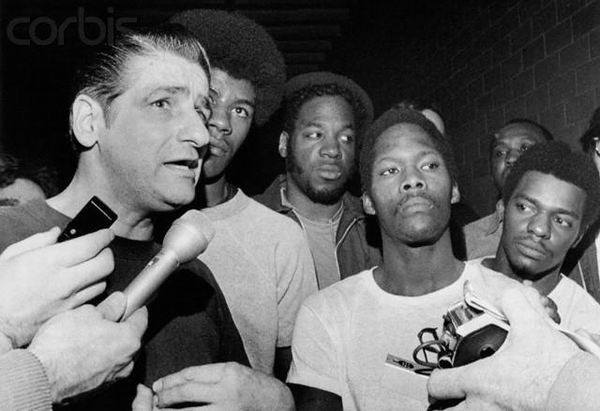
In 1965, while institutionalized at Bridgewater State Hospital, DeSalvo delivered a meticulous confession to all thirteen slayings to high-profile defense attorney F. Lee Bailey. However, lacking physical evidence or latent fingerprints from the scenes, prosecutors declined to indict him for the murders, securing instead life imprisonment on armed robbery and sexual assault convictions. Public and criminological skepticism persisted for nearly fifty years until July 2013, when Boston prosecutors and forensic scientists exhumed DeSalvo's remains: cutting-edge nuclear and Y-chromosome DNA analysis matched DeSalvo to seminal fluid preserved on the body and blanket of the final victim, Mary Sullivan, with a certainty of 1 in 220 billion, definitively proving his culpability.
Forensic & Criminological Matrix
| Parameter | Forensic Detail |
|---|---|
| Legal Identity | Albert Henry DeSalvo |
| Criminological Aliases | "The Boston Strangler" / "The Measuring Man" / "The Green Man" |
| Date of Birth | September 3, 1931 (Chelsea, Massachusetts, U.S.) |
| Date of Death | November 25, 1973 (Aged 42; fatally stabbed inside Walpole State Prison) |
| Criminological Classification | Organized Serial Killer / Domestic Sex Predator / Compulsive Psychopathy |
| Attributed Fatalities | 13 women (11 officially credited; 1 conclusively confirmed by forensic DNA in 2013) |
| Span of Murders | June 14, 1962 – January 4, 1964 (19-month timeframe) |
| Geographic Locations | Boston (Beacon Hill, Back Bay, Dorchester), Cambridge, Lynn, and Lawrence (Massachusetts) |
| Lethal Mechanics | Mechanical ligature strangulation (nylon stockings, cords, and belts tied in decorative bows) |
| Key Defense Counsel | F. Lee Bailey |
| Definitive Scientific Resolution | 99.99% Y-STR genetic profile match established by Suffolk County DA in July 2013 |
Origins and Escalating Offense Patterns (1931–1961)
Albert DeSalvo was born into a fractured working-class family in Chelsea, Massachusetts. His father, Frank DeSalvo, was an abusive, alcoholic plumber who subjected his wife and children to routine savagery; Albert witnessed his father break his mother's fingers and compel the children to beg and shoplift. In childhood, Albert engaged in severe sadistic behaviors against animals, trapping stray cats and dogs in crates to shoot them with arrows or set them alight.
At 17, he enlisted in the United States Army, serving in post-war Germany with the Military Police. There he met his German bride, Irmgard Beck, returning with her to Massachusetts. His marital relationship rapidly deteriorated under his relentless sexual demands, described by Irmgard as unceasing and pathological.
«The Measuring Man»
By the late 1950s, DeSalvo began knocking on apartment doors of young women in Cambridge and Boston, introducing himself as a scout for a major modeling and photography agency:
- Exhibiting polished etiquette and claiming professional necessity, he persuaded women to allow him to record their body measurements with a cloth tape while clad in undergarments.
- Cambridge police apprehended him in March 1960, discovering he had cataloged hundreds of women without inflicting overt physical harm; he served two years for breaking and entering and lewd behavior.
«The Green Man»
Paroled in mid-1961, DeSalvo escalated abruptly to direct armed assaults, donning a trademark outfit of green work trousers and a dark shirt. Posing as a maintenance technician or painter, he gained entry to apartments, brandished a knife, tied women to bedposts forming cruciform spreads, and sexually assaulted them before stealing cash and jewelry. Investigators documented over 300 home invasions across four counties linked to "The Green Man."
The Boston Strangler Wave (1962–1964)
Between June 1962 and January 1964, DeSalvo's compulsion turned homicidal:
1. Elderly Victims (June – August 1962)
- Anna Slesers (55) – June 14, 1962: Lithuanian seamstress; found strangled with her robe belt in her Gainsborough Street apartment in Boston, body exposed.
- Nina Nichols (68) – June 30, 1962: Retired physical therapist; choked with her own nylon stockings on Commonwealth Avenue.
- Helen Blake (65) – June 30, 1962: Discovered hours later in Lynn, strangled in bed with stockings looped tightly around her neck.
- Ida Irga (75) – August 19, 1962: Widow strangled on Grove Street; pillows were placed under her legs in a theatrical, spread-eagle display.
- Jane Sullivan (67) – August 20, 1962: Retired nurse; drowned and strangled in her bathtub in Dorchester.
2. Shift to Younger Women (December 1962 – January 1964)
Hysteria peaked when the predator shifted focus toward younger victims:
- Sophie Clark (20) – December 5, 1962: African-American art student; sexually assaulted and strangled with three knotted stockings in Back Bay.
- Patricia Bissette (23) – December 31, 1962: Secretary; choked to death in her Park Drive apartment on New Year's Eve.
- Beverly Samans (26) – May 6, 1963: Graduate student in Cambridge; bound, strangled, and stabbed repeatedly in the chest.
- Evelyn Corbin (58), Joann Graff (23), and Marie Brown (85): Murdered with identical signature mechanics between September and November 1963.
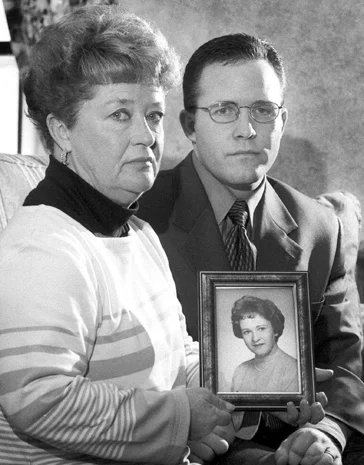
- Mary Sullivan (19) – January 4, 1964: The youngest official victim. Having moved to Boston days earlier to work as a receptionist, she was assaulted and strangled with a scarf on Charles Street (Beacon Hill); a decorative holiday card was left lodged between her toes.
Apprehension, Confession, and Murder in Walpole
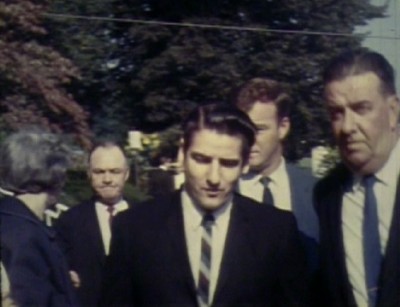
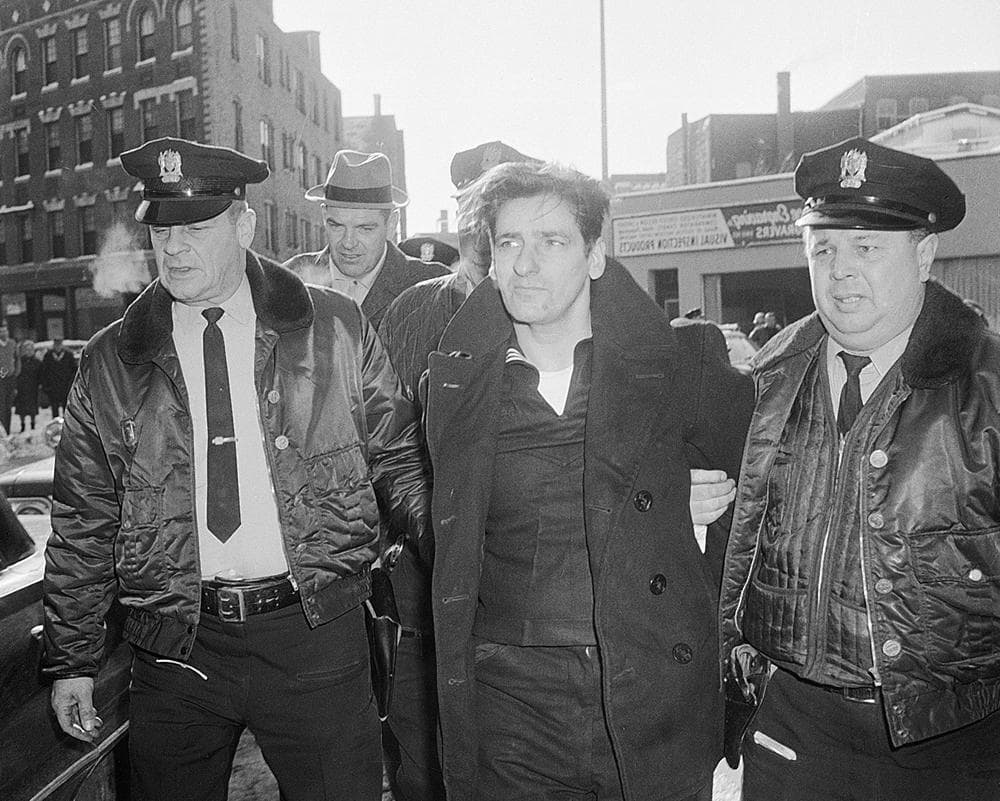
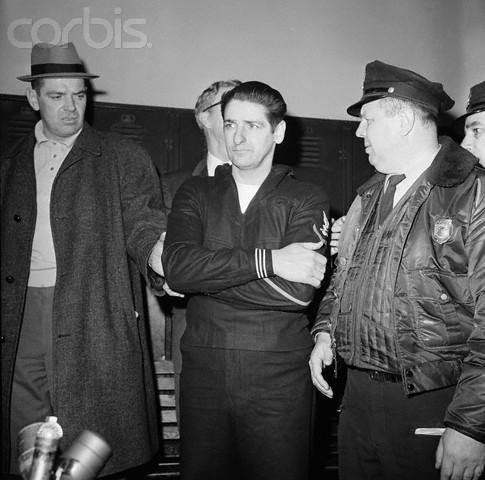
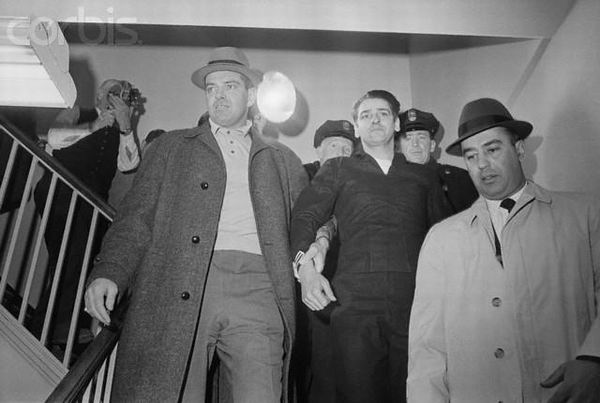
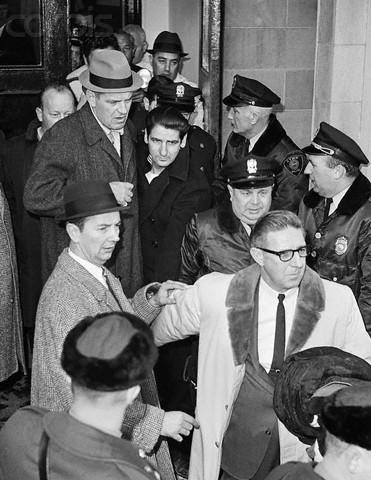
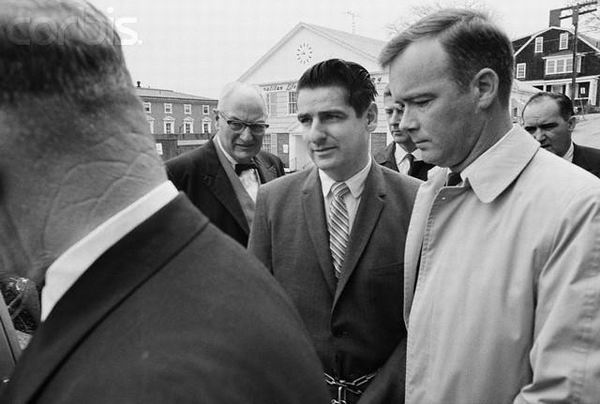
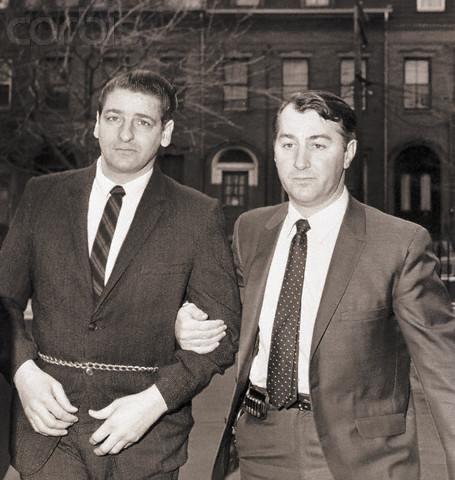
In November 1964, DeSalvo was apprehended during an armed home invasion in Cambridge. Due to bizarre behavior, he was transferred to Bridgewater State Hospital for psychiatric evaluation:
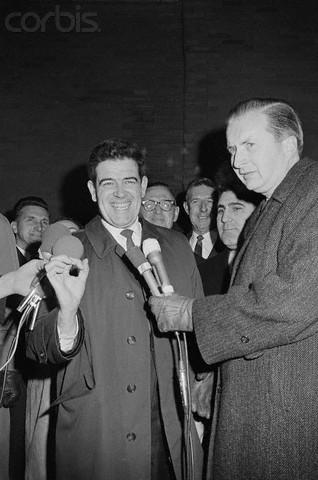
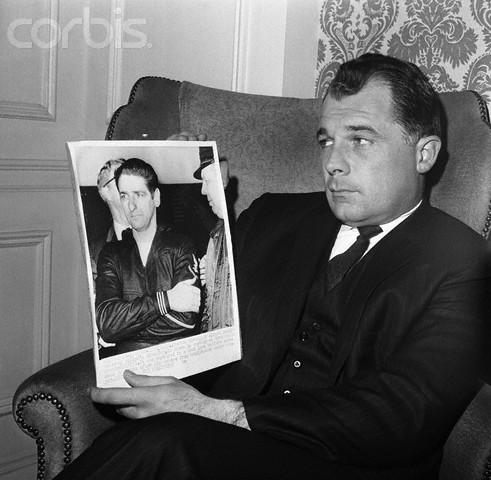
- At Bridgewater, he befriended fellow inmate George Nassar, confiding that he was the notorious Boston Strangler. Nassar notified attorney F. Lee Bailey.
- Over recorded interviews with Bailey, DeSalvo described all thirteen homicides with intimate details withheld from the press: the positioning of pillows beneath Ida Irga, the specific decorative knots tied on Mary Sullivan, and the rearrangement of living room chairs in Sophie Clark's apartment.
- Fearing the confession was an orchestrated ploy to capitalize on lucrative book and film rights, prosecutors refrained from filing capital murder indictments. In 1967, DeSalvo was convicted as "The Green Man" and sentenced to life imprisonment.
Escape and Prison Assassination (1973)
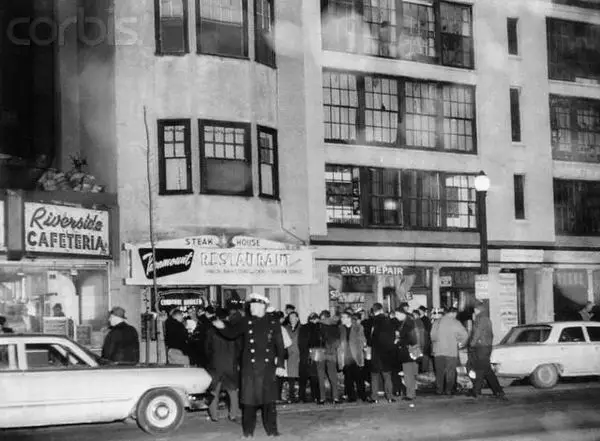
In February 1967, DeSalvo escaped from Bridgewater with two inmates, surrendering peacefully at a shoe store 33 hours later. He was moved to maximum-security Walpole State Prison.
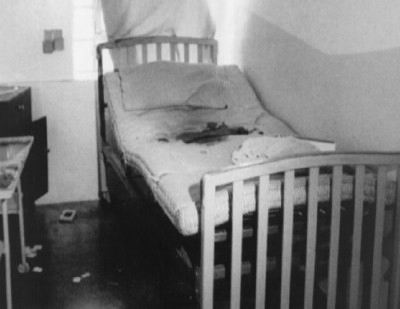
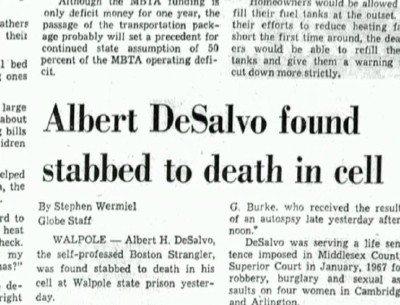
On November 25, 1973, DeSalvo was found dead in the Walpole prison infirmary, stabbed six times through the heart. The homicide remained officially unsolved. The evening prior, DeSalvo had phoned parapsychologist Peter Hurkos indicating an intent to formally recant his Strangler confessions.
The Definitive DNA Resolution (July 2013)
For decades, skeptics argued DeSalvo was a serial confabulator and that the murders were the work of multiple independent killers:
- In 2000, Mary Sullivan's body was exhumed at the request of her nephew, Casey Sherman; initial forensic DNA assays yielded inconclusive profiles.
- In July 2013, Suffolk County District Attorney Daniel F. Conley announced a breakthrough using advanced mitochondrial and Y-STR chromosomal analysis.
- Undercover detectives shadowed DeSalvo's nephew, retrieving a discarded water bottle to sequence the familial Y-chromosome profile. A strong match emerged.
- On July 12, 2013, a court ordered the exhumation of Albert DeSalvo from Peabody Cemetery. Forensic scientists extracted nuclear DNA from his femur and molars, matching it to seminal stains on Mary Sullivan's blanket:
- The match yielded a conclusive probability of 99.99%, excluding 99.99999% of the male population.
- The finding brought scientific closure to New England's most infamous murder mystery, confirming that Albert DeSalvo was indeed the Boston Strangler.