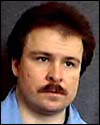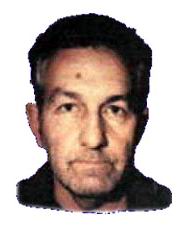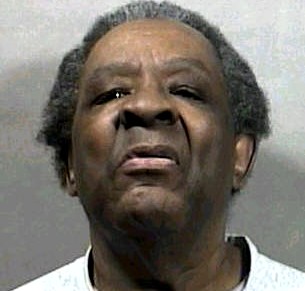



Forensic & Criminological Matrix
| Parameter | Forensic Detail |
|---|---|
| Forensic Heading / Aliases | Robert James Acremant |
| Legal Identity | Robert James Acremant |
| Confirmed Victims | 3 (Scott George, Roxanne Ellis, Michelle Abdill) |
| Active Timeline | October 1995 - December 1995 |
| Jurisdiction / Area of Operations | Visalia, California & Medford, Oregon, USA |
| Criminological Classification | Multiple murderer / Financial-collapse offender |
| Forensic Modus Operandi | Armed abductions and execution-style homicides targeting property owners and acquaintances to steal funds for personal and lifestyle stabilization. |
| Weapon / Mechanism of Death | Handgun / Ballistic trauma and blunt force trauma |
| Motive / Behavioral Dynamics | Financial gain following software business bankruptcy and extreme psychological distress over status loss. |
| Judicial Outcome | Sentenced to death in Oregon and California; died in custody |
1. Background and Profile
Robert James Acremant was born on May 9, 1968. Early in life, he was characterized by intense discipline, serving in the United States Air Force where he worked grueling hours and completed his bachelor's degree in record time. He later excelled as an efficiency expert for Roadway Express, earning widespread praise for his work ethic and competence. However, in May 1995, he left his corporate career to launch a software enterprise. The business failed catastrophically, thrusting Acremant into financial ruin, severe psychological isolation, and a drastic behavioral decline.
2. Crime Spree
Acremant's criminal career began on October 3, 1995, in Visalia, California, where he murdered Scott George with a handgun. Subsequently, on December 4, 1995, he traveled to Medford, Oregon, and kidnapped and murdered Roxanne Ellis (53) and Michelle Abdill (42), owners of a local property management company. His primary motivation was robbing them to fund his lifestyle and relationship with a Las Vegas stripper. His methodology involved targeting vulnerable individuals through direct armed confrontation or calculated deception, followed by the elimination of victims to secure financial assets.
3. Investigation and Arrest
The investigation moved swiftly following the discovery of Ellis and Abdill in Oregon and the tracking of a rental U-Haul truck linked to Acremant. Notably, Acremant's own father, Kenneth Acremant, contacted police after spotting the rental vehicle and receiving a family heirloom ring, suspecting his son's involvement. During police interrogations, Acremant denied sexual or personal motives in the Visalia homicide, but intensive forensic evidence, witness testimonies—including a nearly fatal assault on family friend Taryn Sweeney—solidified his culpability across multiple state jurisdictions.
4. Legal Proceedings and Outcome
Robert James Acremant was captured in December 1995. He pleaded guilty to the aggravated murders of Ellis and Abdill in Oregon, receiving initial prison sentences before facing penalty phase trials where his father provided damaging testimony for the prosecution. Extradited to California for the murder of Scott George, Acremant was formally sentenced to death by a jury in 2002. While incarcerated, tensions with his family peaked when Acremant threatened his father, though they later established a tenuous correspondence.
5. Psychiatric Evaluation and Final Disposition
Psychological evaluations portrayed Acremant not as a lifelong violent offender, but as a rigid, high-achieving perfectionist whose ego and identity were entirely intertwined with corporate success and financial power. When his software venture collapsed, his inability to cope with failure triggered a fatal descent into violent crime. Acremant remained on death row until his death in custody in 2018.