



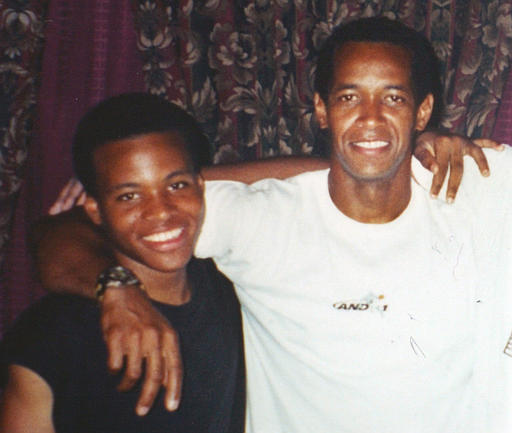
Forensic & Criminological Matrix
| Parameter | Forensic Detail |
|---|---|
| Forensic Heading / Aliases | The Abu el-Ulla Brothers |
| Legal Identity | Saber Farhat Abu el-Ulla & Mahmoud Farhat Abu el-Ulla |
| Confirmed Victims | 13 (including 3 in 1993 and 10 in the 1997 museum bus massacre) |
| Active Timeline | 1993 - 1997 |
| Jurisdiction / Area of Operations | Cairo, Egypt |
| Criminological Classification | Urban Terrorism / Mass Murderers / Psychiatric Malingerers |
| Forensic Modus Operandi | Coordinated armed assaults and incendiary device attacks against tour buses and hotels, deliberately targeting foreign nationals |
| Weapon / Mechanism of Death | Handguns, varied ammunition, and Molotov-style firebombs |
| Motive / Behavioral Dynamics | Politico-religious retaliation, extremist sympathizing, and simulated mental illness to evade capital punishment |
| Judicial Outcome | Sentenced to death by an Egyptian military tribunal and executed by hanging in October 1997 |
1. Background and Profile
Saber Farhat Abu el-Ulla, characterized as a failed pop musician, possessed a severe prior criminal history. In 1993, he perpetrated an armed assault at a Cairo hotel that claimed the lives of two American citizens and one French national. Following his capture, his family successfully bribed high-ranking officials within Egyptian psychiatric institutions to falsely certify him as mentally ill, thereby evading a death sentence. After serving a fraction of his nominal confinement, he escaped or was released, quickly returning to violent crime alongside his brother Mahmoud.
2. Crime Spree and Modus Operandi
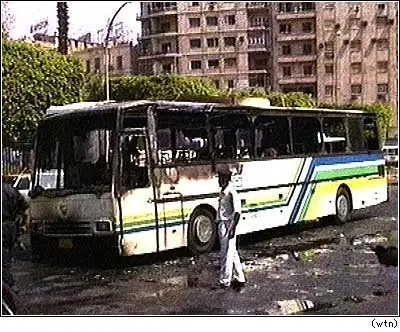
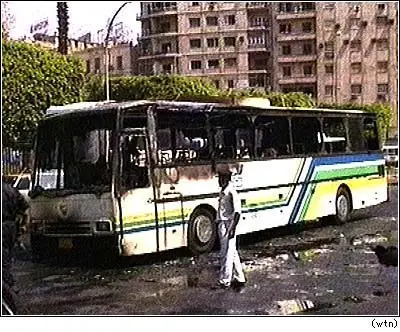
On September 18, 1997, the Abu el-Ulla brothers, accompanied by a third operative, executed one of the most violent attacks against the tourism sector in the Egyptian capital. Dressed in formal attire to blend in as travel agency employees, they approached a tourist bus parked outside the Egyptian Museum in Tahrir Square. Extracting firearms and incendiary devices from plastic bags, they unleashed a furious assault involving gunfire and firebombs directed at German tourists.
The attack resulted in the immediate deaths of nine German tourists and their Egyptian driver, while leaving over twenty-six individuals wounded. Their modus operandi integrated tactical surprise, professional dress camouflage, and the dual deployment of ballistic and thermal mechanisms to maximize lethality and psychological impact on the state.
3. Investigation and Forensic Pursuit
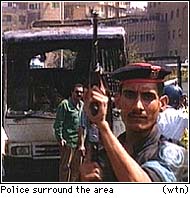
Law enforcement response was immediate due to the high-traffic location in downtown Cairo. Security forces wounded and captured Saber and Mahmoud at the crime scene, while a third gunman was apprehended shortly thereafter. The investigation rapidly exposed Saber's recidivist status and uncovered a network of institutional corruption that had facilitated his prior escape from psychiatric custody. Concurrently, local arms traffickers who supplied the assault weapons were identified and prosecuted.
4. Legal Proceedings and Outcome
Trials were conducted under strict military jurisdiction given the severity of the charges, which included premeditated murder, terrorism, and damaging the national economy. Throughout the court proceedings, the brothers displayed defiant behavior, chanting religious slogans and offering xenophobic justifications. The military tribunal dismissed claims of mental incompetence, unmasking the fraudulent nature of Saber's previous psychiatric shielding.
5. Psychiatric Assessment and Aftermath
On October 29, 1997, the Egyptian military court sentenced both brothers to death by hanging. Co-defendants involved in illegal arms supply and the corrupt medical officials who enabled Saber's 1993 fake insanity defense received prison terms ranging from one to ten years at hard labor. The execution of the Abu el-Ulla brothers concluded a case study defined by the intersection of violent criminality, ideological extremism, and administrative corruption.