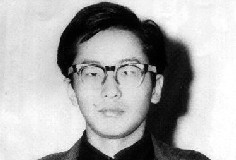
Forensic & Criminological Matrix
| Parameter | Forensic Detail |
|---|---|
| Forensic Heading / Aliases | N/A |
| Legal Identity | Otoya Yamaguchi |
| Confirmed Victims | 1 |
| Attributed / Indicted Victims | 1 |
| Active Timeline | October 12, 1960 |
| Jurisdiction / Area of Operations | Tokyo, Japan |
| Criminological Classification | Political Assassin / Ultranationalist |
| Forensic Modus Operandi | Stabbing with a wakizashi in a public setting |
| Weapon / Mechanism of Death | Wakizashi (traditional short sword) |
| Motive / Behavioral Dynamics | Radical ultranationalist political fanaticism |
| Judicial Outcome | Suicide in juvenile detention facility |
1. Background and Profile
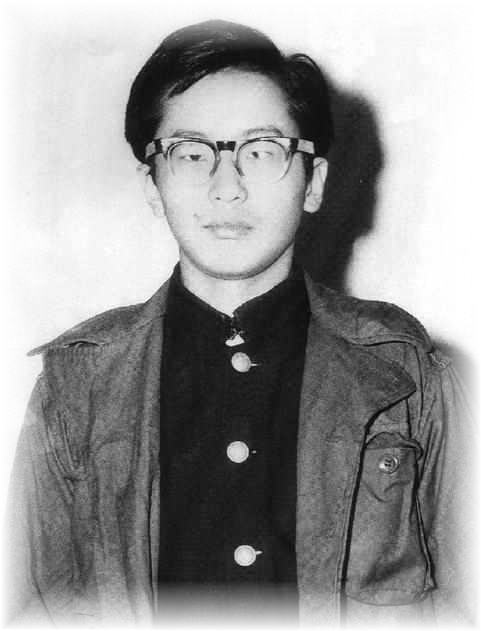
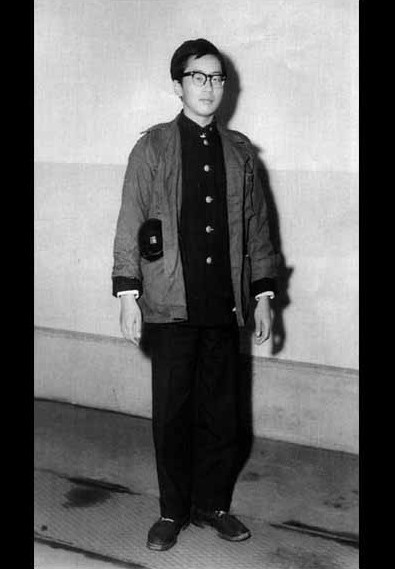
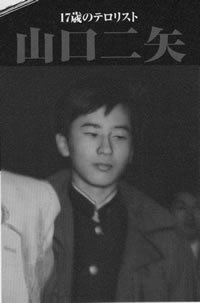
Otoya Yamaguchi (1943–1960) was a Japanese radical nationalist and member of an 'Uyoku dantai' (right-wing group). His profile was defined by intense devotion to the Emperor and violent opposition to the Japan Socialist Party.
2. Crime Spree
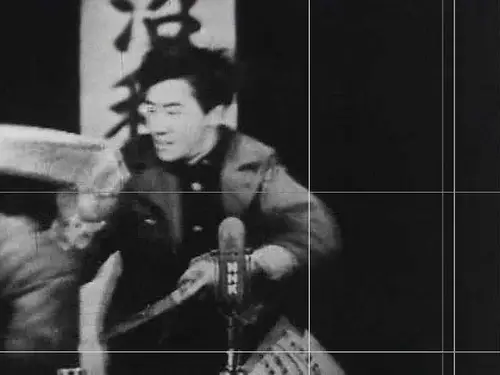
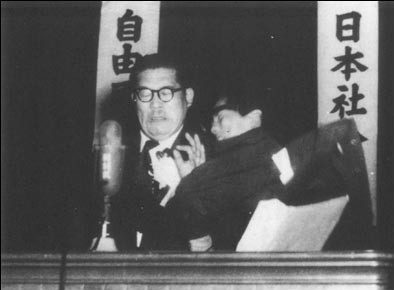
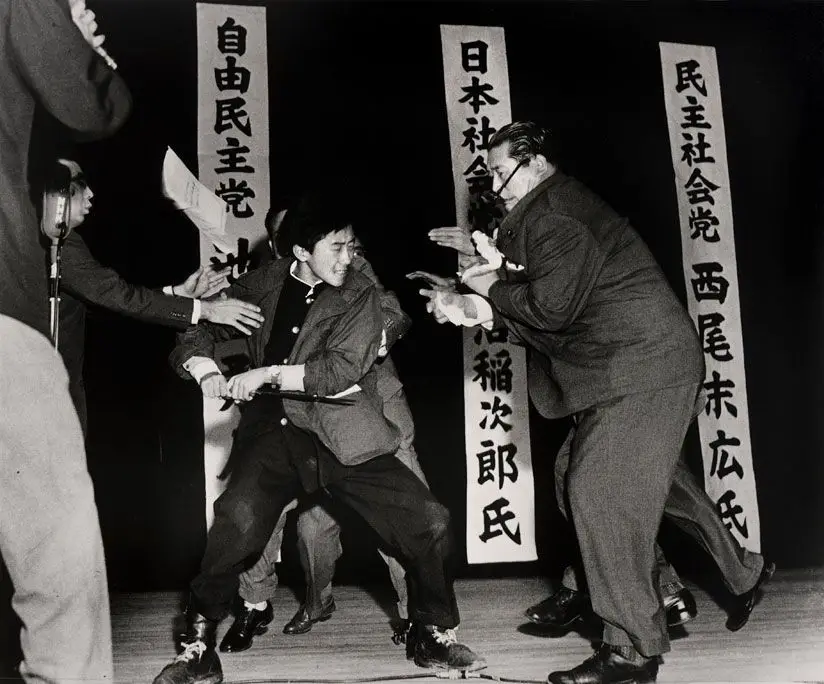
On October 12, 1960, during a televised political debate at Tokyo's Hibiya Hall, Yamaguchi rushed the stage and fatally stabbed Inejirō Asanuma. The incident was broadcast live, and the subsequent photograph by Yasushi Nagao won the Pulitzer Prize.
3. Investigation and Arrest
Yamaguchi was apprehended on-site by security personnel. The investigation focused on his ideological motivations and potential co-conspirators within the right-wing extremist movement.
4. Legal Proceedings and Outcome
While held in a juvenile detention facility, Yamaguchi demonstrated no remorse. He committed suicide on November 2, 1960, by hanging himself with strips of his bedsheet, leaving a message on his cell wall pledging his life to the Emperor.