Forensic & Criminological Matrix
| Parameter | Forensic Detail |
|---|---|
| Forensic Heading / Aliases | None |
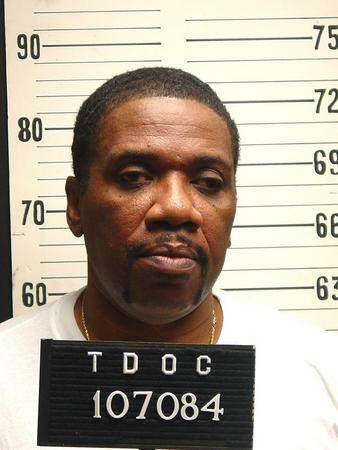
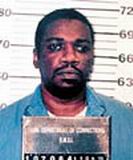
| Legal Identity | Charles Walton Wright |
| Confirmed Victims | 2 |
| Attributed / Indicted Victims | 2 |
| Active Timeline | July 18, 1984 |
| Jurisdiction / Area of Operations | Nashville, Tennessee, USA |
| Criminological Classification | Murderer (Drug-related) |
| Forensic Modus Operandi | Firearm execution in public space |
| Weapon / Mechanism of Death | Handgun |
| Motive / Behavioral Dynamics | Drug trafficking conflict |
| Judicial Outcome | Life imprisonment and death sentence |
1. Background and Psychopathy
Charles Walton Wright (born February 3, 1955) was a resident of Murfreesboro, Tennessee, deeply involved in the illicit narcotics trade. Law enforcement had been monitoring his activities, with a search warrant prepared for his residence prior to the homicides.
2. Crime Spree
On July 18, 1984, Wright, Gerald Mitchell, and Douglas Alexander traveled to Nashville to purchase contraband narcotics. In a public park, Wright shot both men. Forensic evidence indicated Alexander suffered a defensive wound before a fatal shot to the skull, while Mitchell was killed by a single shot behind the ear. Wright fled the scene in Alexander's vehicle.
3. Investigation and Arrest
Wright provided multiple, conflicting accounts of the events to investigators. Ballistics evidence linked the crime to a pistol Wright had borrowed from Jessie King. King's testimony, provided via deposition, contradicted Wright's claims and proved instrumental in the prosecution's case.
4. Legal Proceedings and Outcome
In April 1985, a Davidson County jury convicted Wright of two counts of premeditated first-degree murder. He received a life sentence for Mitchell's death and a death sentence for Alexander's. The Tennessee Supreme Court affirmed these convictions in 1988, rejecting various appeals regarding jury instructions and the admissibility of expert testimony.