


Forensic & Criminological Matrix
| Parameter | Forensic Detail |
|---|---|
| Forensic Heading / Aliases | None |
| Legal Identity | Richard Lee Tingler Jr. |
| Confirmed Victims | 6 |
| Attributed / Indicted Victims | 7 |
| Active Timeline | 1968-1969 |
| Jurisdiction / Area of Operations | Cleveland/Columbus, Ohio; Illinois; Oklahoma |
| Criminological Classification | Serial Murderer / Violent Offender |
| Forensic Modus Operandi | Armed robbery followed by witness execution |
| Weapon / Mechanism of Death | Handgun, strangulation with coat hanger |
| Motive / Behavioral Dynamics | Robbery and impulsive violence |
| Judicial Outcome | Death sentence (1969), commuted to life imprisonment (1972) |
1. Background and Profile
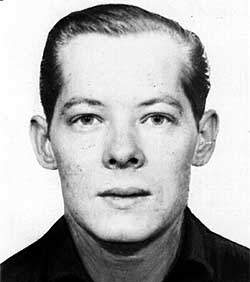
Born in December 1940, Richard Lee Tingler Jr. was raised in a household defined by chronic physical abuse. His mother frequently subjected him to severe punishment, reinforcing a narrative that he was "born in sin." Tingler's early adulthood was marked by military desertion and a rapid descent into criminal activity. By 1959, he was already facing charges for burglary in Alaska. His life became a cycle of incarceration and parole violations in Ohio, establishing a pattern of recidivism that culminated in extreme violence.
2. Crime Spree
On September 16, 1968, four victims—Joseph Zoldman, two bartenders, and a woman—were found executed in Cleveland's Rockefeller Park. The victims had been abducted during a tavern robbery. On October 20, 1968, Tingler struck again at a dairy bar in Columbus. After stealing $562, he bound Susan Pack, Jimmy Stevens, and Phyllis Crowe. In a sudden fit of rage, he bludgeoned Pack and Stevens to death and attempted to strangle Crowe. Crowe survived and provided the critical identification that linked Tingler to the crimes. In April 1969, while on the run, he murdered Brooks Hutchenson in Illinois.
3. Investigation and Arrest
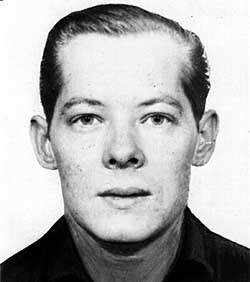
Ballistics evidence from the Columbus crime scene matched the weapons used in the Cleveland murders. On November 8, 1968, Tingler was added to the FBI's "Ten Most Wanted" list. He fled to Oklahoma under the alias "Don Williams." His erratic behavior, including indiscriminate shooting, drew local attention. After his image was broadcast on the television series "The FBI" in March 1969, he became increasingly unstable. On May 19, 1969, federal agents and local deputies apprehended him at a farm near Dill City, Oklahoma.
4. Legal Proceedings and Outcome
Following his extradition to Ohio, Tingler was tried on six counts of murder. He was convicted and sentenced to death in 1969. In 1972, following legal shifts regarding capital punishment, his sentence was commuted to life in prison, where he remains incarcerated.
5. Psychiatric Assessment and Conclusion
Forensic analysis of Tingler's behavior indicates a severe antisocial personality disorder. His tendency to execute witnesses during robberies, even when they posed no immediate threat, suggests a deep-seated pathology characterized by impulsive aggression and a total lack of empathy.