Forensic & Criminological Matrix
| Parameter | Forensic Detail |
|---|---|
| Forensic Heading / Aliases | None |
| Legal Identity | Frederick Charles Wood |
| Confirmed Victims | 3 |
| Attributed / Indicted Victims | 3 |
| Active Timeline | 1942 - 1960 |
| Jurisdiction / Area of Operations | Elmira and Astoria, New York, USA |
| Criminological Classification | Violent Offender / Recidivist |
| Forensic Modus Operandi | Blunt force trauma (bottle) and sharp force injuries |
| Weapon / Mechanism of Death | Glass bottles and knife |
| Motive / Behavioral Dynamics | Personal confrontation / Psychopathy |
| Judicial Outcome | Executed by electrocution at Sing Sing Prison |
1. Background and Profile
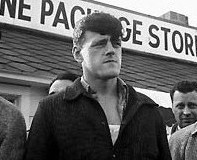
Born in 1912, Frederick Charles Wood exhibited a pattern of extreme violence during personal confrontations. His criminal career was marked by a lack of impulse control and a propensity for brutal physical assaults.
2. Crime Spree
In 1942, Wood murdered John E. Lowman in Elmira, New York, using a broken bottle and a knife. After serving 17 years of a life sentence, he was paroled in June 1960. In July 1960, he murdered Frederick Sess and John Rescigno in Astoria, leaving taunting notes at the scene regarding the parole board's decision.
3. Investigation and Arrest
Authorities identified Wood as the primary suspect due to the distinct similarities between the Astoria murders and his previous 1942 crime. His arrest in Manhattan for a parole violation led to his subsequent confession to the Astoria killings.
4. Legal Proceedings and Outcome
Following a public outcry and an investigation into the parole board's error, Wood was tried and sentenced to death in 1962. He was executed by electrocution at Sing Sing Prison on March 21, 1963.