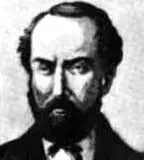




Forensic & Criminological Matrix
| Parameter | Forensic Detail |
|---|---|
| Forensic Heading / Aliases | None recorded |
| Legal Identity | Heinrich Hartmann Wirz |
| Confirmed Victims | 11 |
| Attributed / Indicted Victims | 13,000 |
| Active Timeline | 1864 - 1865 |
| Jurisdiction / Area of Operations | Andersonville, Georgia, USA |
| Criminological Classification | War criminal / Mass murderer |
| Forensic Modus Operandi | Deliberate negligence, physical torture, summary executions, and deprivation of basic needs |
| Weapon / Mechanism of Death | Revolver, torture stocks, bloodhounds, starvation, and disease |
| Motive / Behavioral Dynamics | Political ideology and adherence to orders in a wartime context |
| Judicial Outcome | Convicted of conspiracy and 11 counts of murder; executed by hanging |
1. Background and Psychopathy
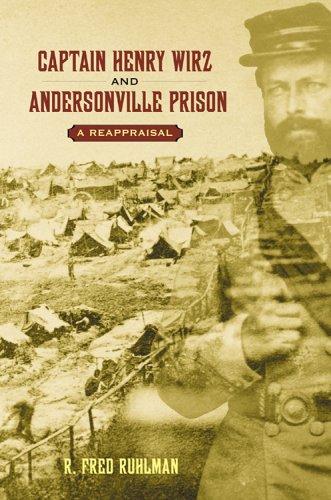
Heinrich Hartmann Wirz was born in Zurich, Switzerland, in 1822. After an incomplete medical education, he emigrated to the U.S. in 1849. He practiced medicine in Kentucky and Louisiana before joining the Confederate Army in 1861. His military record remains largely unverified, though he claimed to have served in the 4th Louisiana Infantry.
2. Crime Spree
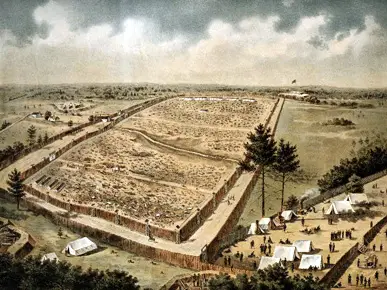
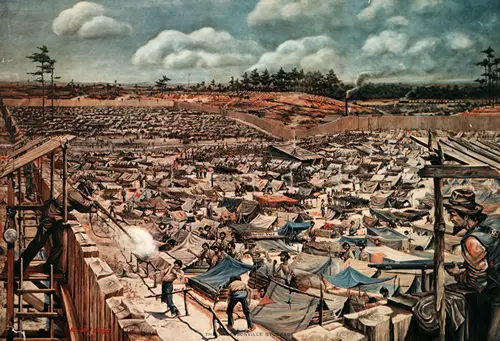
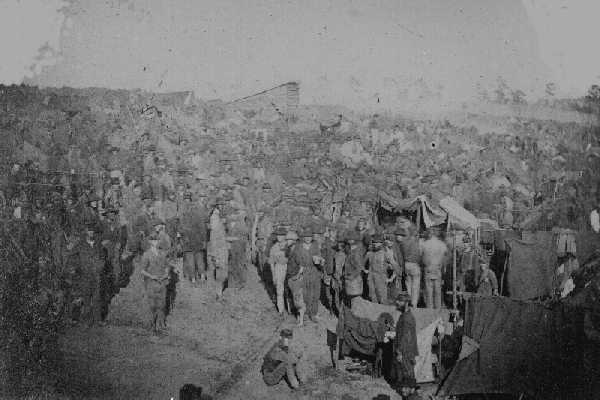
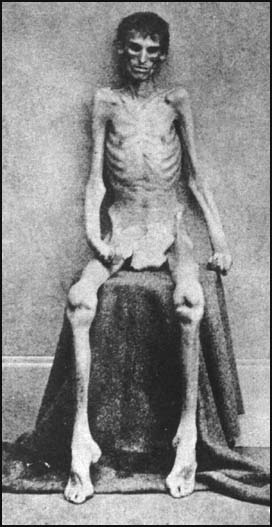
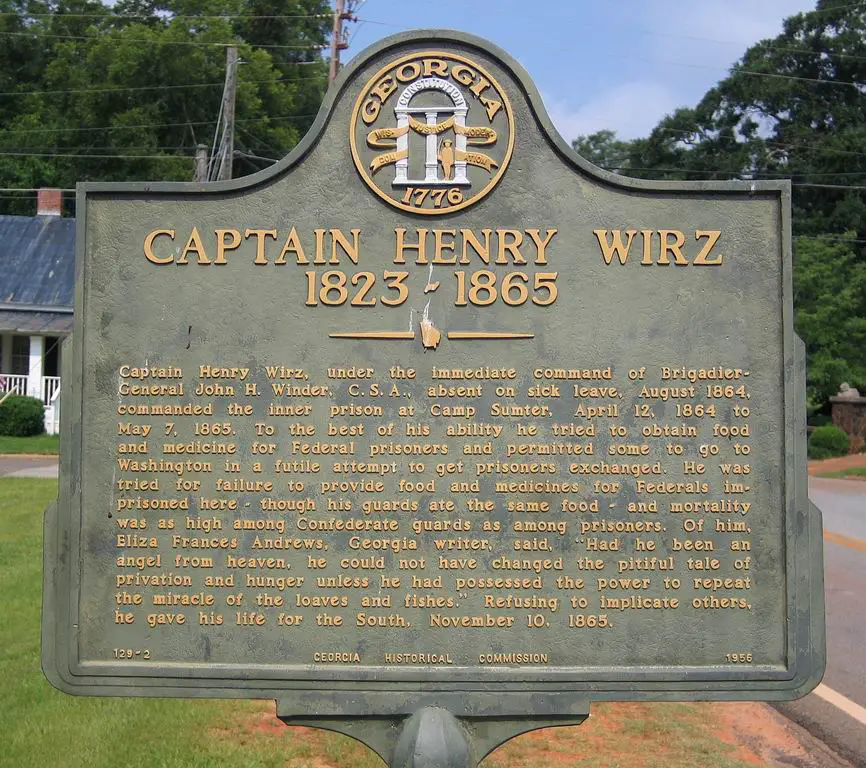
As commandant of Camp Sumter (Andersonville), Wirz oversaw a facility that suffered from extreme overcrowding, lack of sanitation, and starvation. He enforced a 'dead-line' policy, ordered the use of bloodhounds to hunt escapees, and personally engaged in the torture and shooting of prisoners. Approximately 13,000 Union soldiers died under his command.
3. Investigation and Arrest
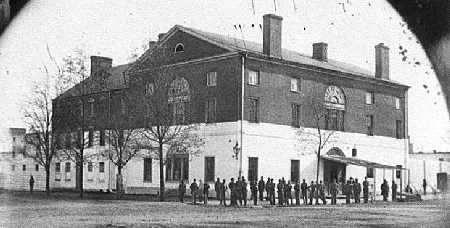
Following the Civil War, Wirz was arrested in May 1865. The federal government initiated a high-profile military tribunal in Washington, D.C., to address the atrocities committed at the prison camp, which had become a symbol of Confederate cruelty.
4. Legal Proceedings and Outcome
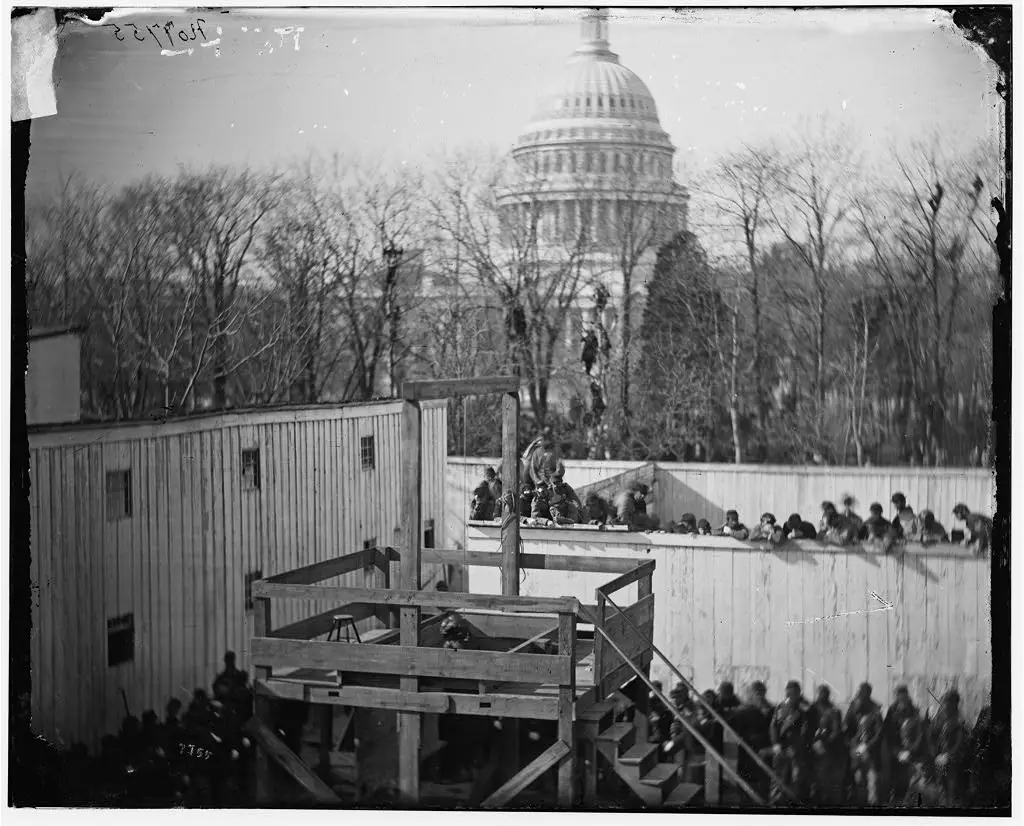
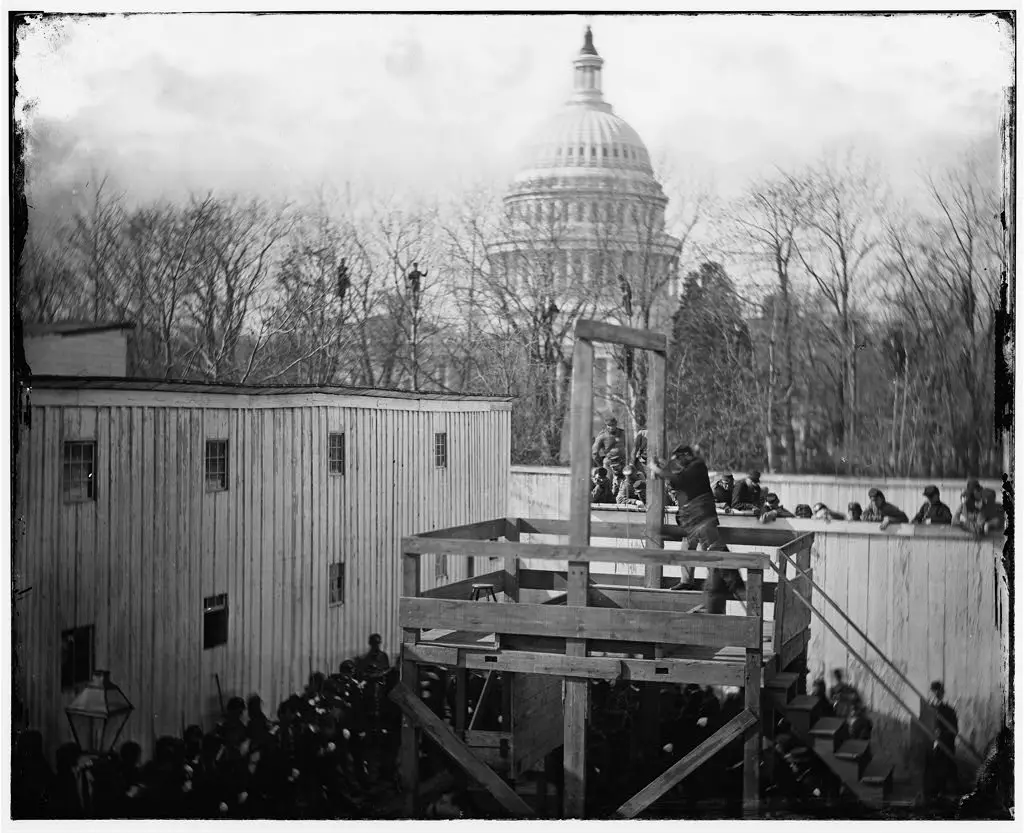
During the trial, Wirz argued he was merely following orders. The commission, however, found him guilty of conspiracy and 11 counts of murder. Despite his appeal for clemency to President Andrew Johnson, the sentence was upheld.
5. Forensic Conclusion
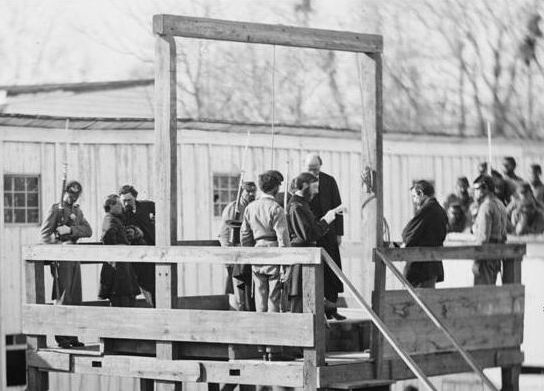
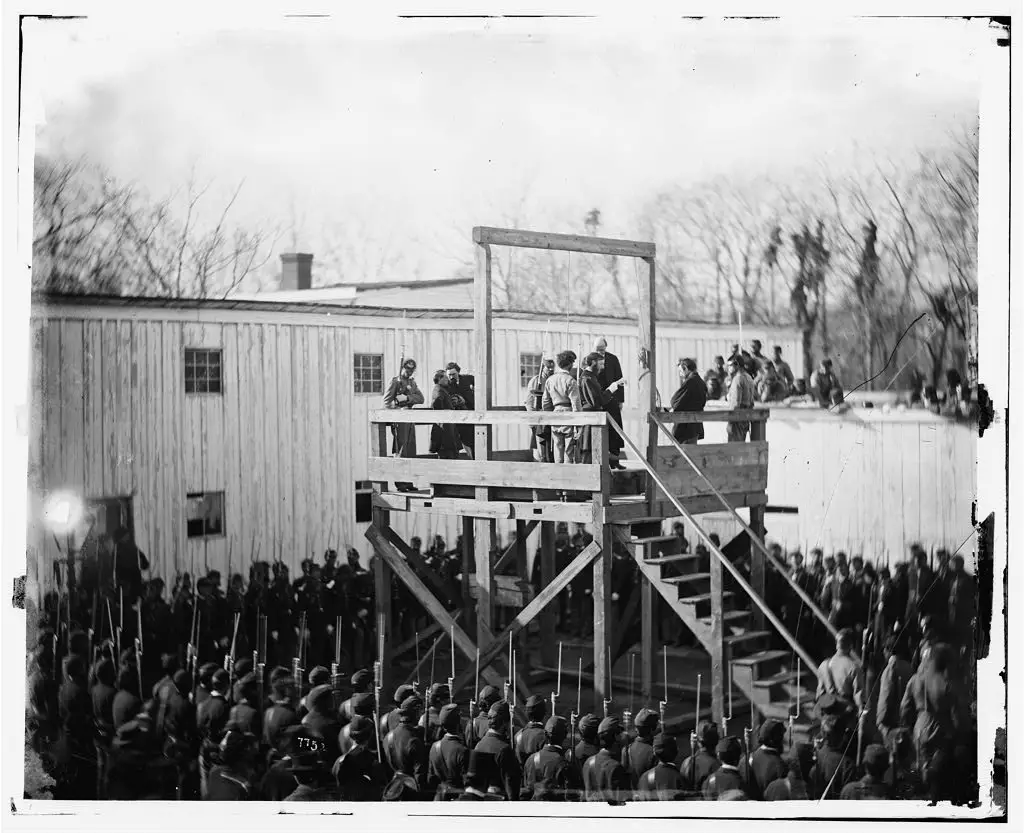
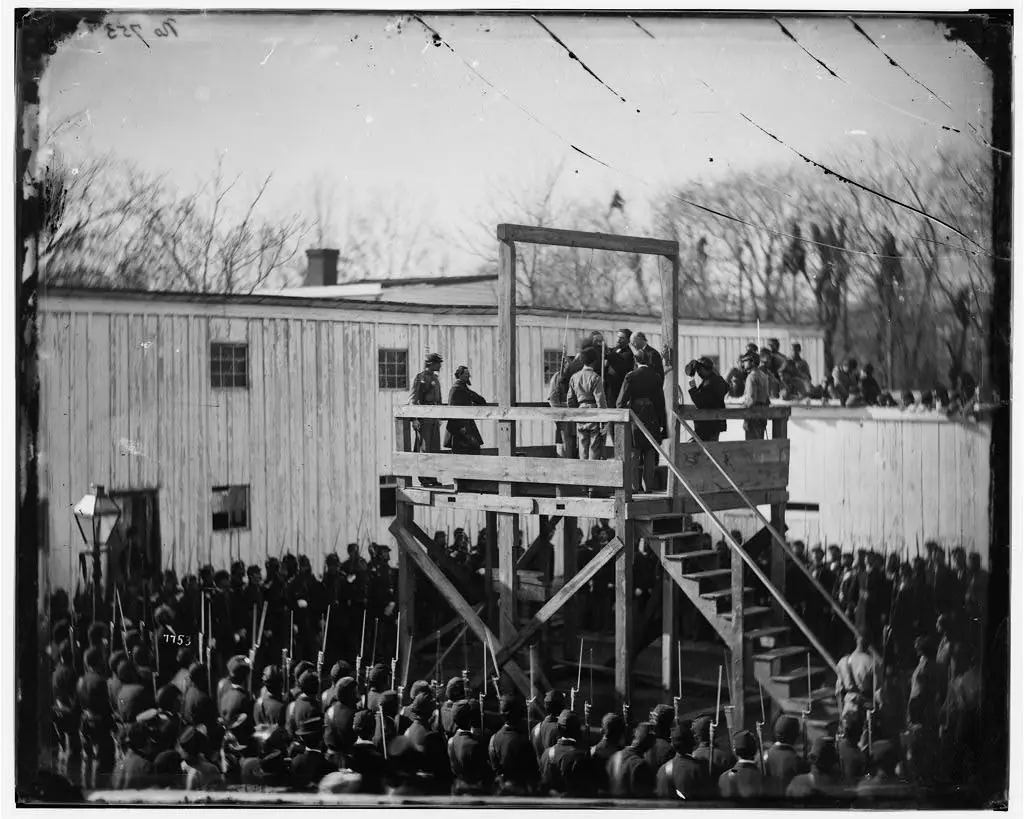
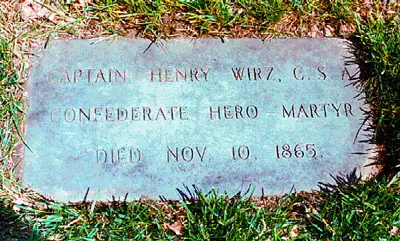
Wirz was executed by hanging on November 10, 1865. His trial remains a landmark case in international law, establishing that 'following orders' is not a valid defense for committing war crimes.