




Forensic & Criminological Matrix
| Parameter | Forensic Detail |
|---|---|
| Forensic Heading / Aliases | None |
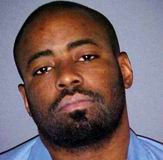
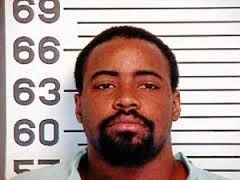
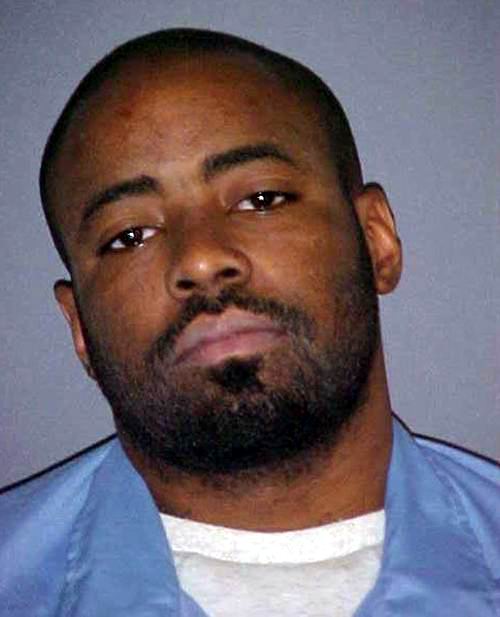
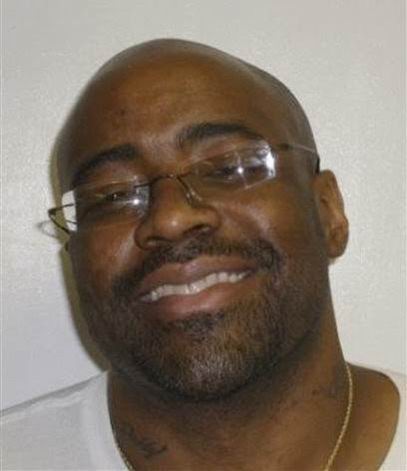
| Legal Identity | Michael Lee Wilson |
| Confirmed Victims | 1 |
| Attributed / Indicted Victims | 1 |
| Active Timeline | February 26, 1995 |
| Jurisdiction / Area of Operations | Tulsa, Oklahoma, USA |
| Criminological Classification | Robbery-murderer / Multiple offender |
| Forensic Modus Operandi | Violent assault with blunt force weapon and identity impersonation |
| Weapon / Mechanism of Death | Aluminum baseball bat |
| Motive / Behavioral Dynamics | Financial gain and witness elimination |
| Judicial Outcome | Death penalty (Executed) |
1. Background and Psychopathy
Michael Lee Wilson was born on February 18, 1975. His upbringing was characterized by significant instability, including an absent, drug-addicted father and exposure to gang violence in Tulsa. Despite testing with a superior IQ, forensic evaluations identified severe personality disturbances, allowing him to mask his predatory nature behind a facade of social compliance.
2. Crime Spree
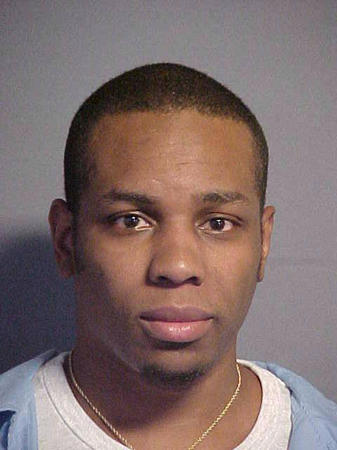
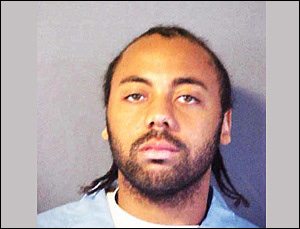
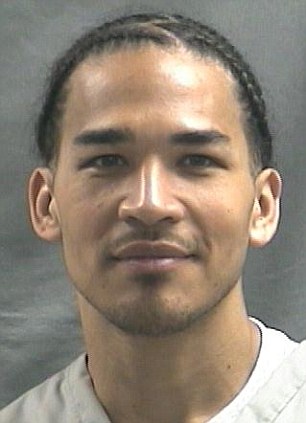
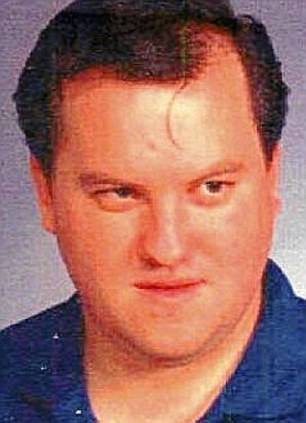
On February 26, 1995, Wilson, a QuikTrip employee, conspired with Billy Don Alverson, Darwin Demond Brown, and Richard Harjo to rob his workplace. They lured co-worker Richard Yost to the back room, handcuffed him, and beat him to death with an aluminum baseball bat. Wilson then returned to the front of the store, calmly serving customers and impersonating Yost to maintain the illusion that the store was operating normally while the victim lay dying.
3. Investigation and Arrest
Police identified Wilson as a suspect after he failed to report for his next shift. Within 14 hours, officers stopped a vehicle containing all four perpetrators, who were found in possession of stolen cash and new merchandise. Wilson confessed to the planning of the robbery and the necessity of killing Yost to prevent identification.
4. Legal Proceedings and Outcome
Wilson was convicted of first-degree murder. The trial utilized a dual-jury system for the co-defendants. Despite defense efforts to introduce evidence of mental illness to mitigate the sentence, the jury returned a death sentence. Subsequent federal appeals were exhausted, and the conviction was upheld.
5. Psychiatric Evaluation and Execution
Forensic experts debated Wilson's mental state, with the defense arguing for paranoid schizophrenia and the prosecution highlighting his calculated, goal-oriented behavior during the murder. Wilson was executed by lethal injection at the Oklahoma State Penitentiary on January 9, 2014.