Forensic & Criminological Matrix
| Parameter | Forensic Detail |
|---|---|
| Forensic Heading / Aliases | N/A |
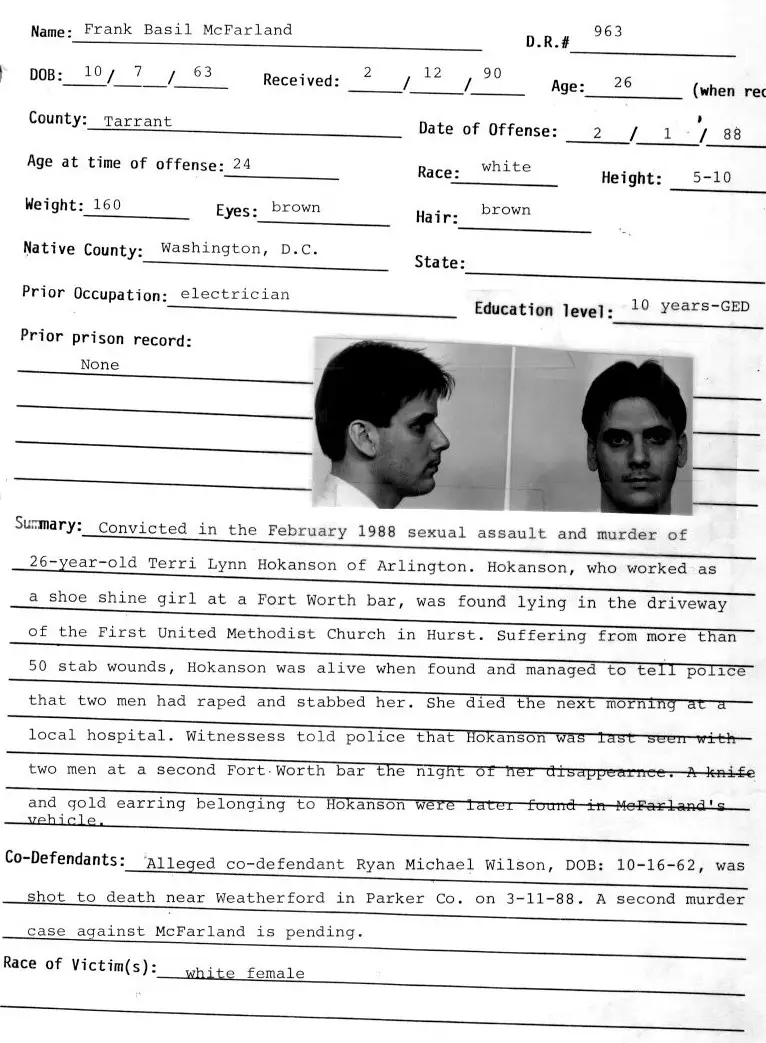
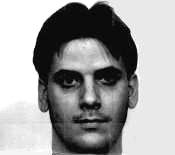
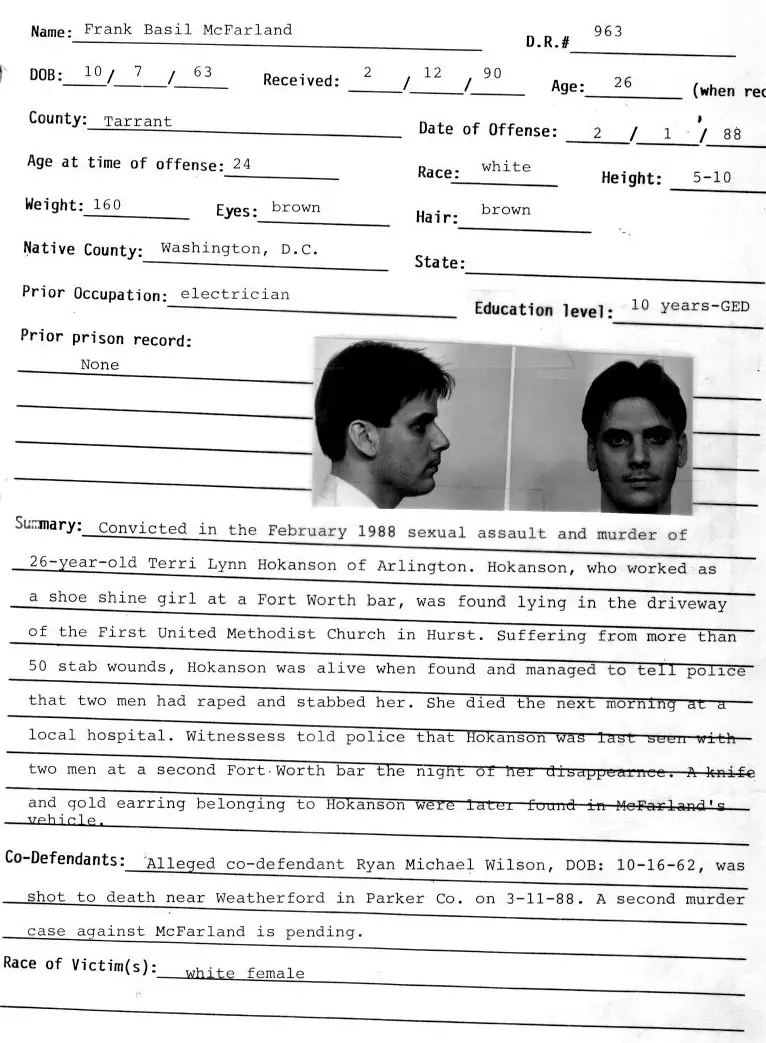
| Legal Identity | Frank Basil McFarland |
| Confirmed Victims | 1 |
| Attributed / Indicted Victims | 1 |
| Active Timeline | February 1, 1988 |
| Jurisdiction / Area of Operations | Tarrant County, Texas, USA |
| Criminological Classification | Sexual Homicide Offender |
| Forensic Modus Operandi | Targeting victims in nightlife, abduction, sexual assault, and multiple stabbing (79 wounds) |
| Weapon / Mechanism of Death | Knife |
| Motive / Behavioral Dynamics | Aggravated sexual assault / Witness elimination |
| Judicial Outcome | Death penalty (Executed by lethal injection) |
1. Background and Profile
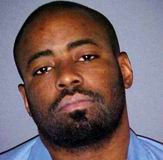
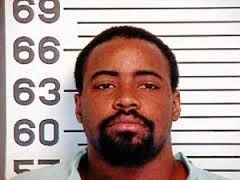
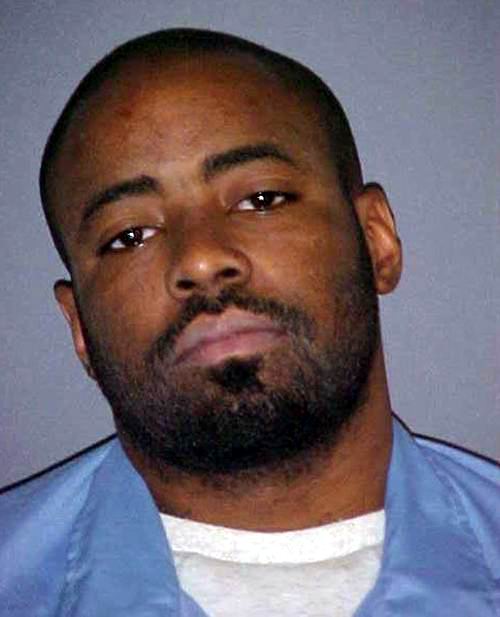
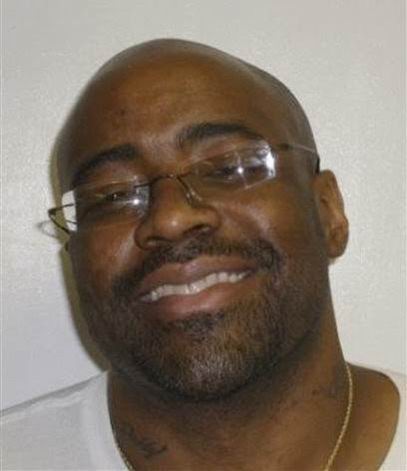
Frank Basil McFarland (1963–1998) was an American offender with a juvenile record for sexual assault. His criminal trajectory culminated in a high-profile capital murder case in Texas.
2. Crime Spree
On February 1, 1988, McFarland and accomplice Michael Wilson abducted Terry Lynn Hokanson from a topless bar in Arlington. They transported her to a parking lot in Hurst, where she was subjected to a brutal sexual assault and stabbed 79 times. Despite her severe injuries, she managed to reach a church parking lot, where she provided a dying declaration to witnesses.
3. Investigation and Forensic Hunt
Law enforcement relied heavily on the testimony of Mark Noblett, a police informant, and Rachel Revill. The case was controversial due to allegations of suppressed exculpatory evidence, including witness statements describing a white car rather than McFarland's blue vehicle, and the failure to perform advanced DNA testing on hair evidence found in the victim's hands.
4. Legal Proceedings and Outcome
McFarland was convicted in 1989 and sentenced to death. His appeals, including a landmark Supreme Court case (McFarland v. Scott), focused on the lack of effective counsel and due process violations. All appeals were ultimately exhausted.
5. Final Statement and Execution
McFarland was executed by lethal injection on April 29, 1998. He maintained his innocence until his death, concluding his final statement with the Scottish clan battle cry 'Loch Sloy'.