




Forensic & Criminological Matrix
| Parameter | Forensic Detail |
|---|---|
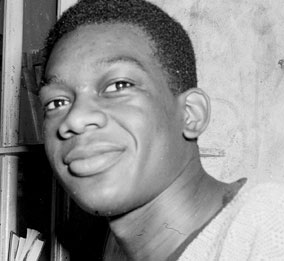
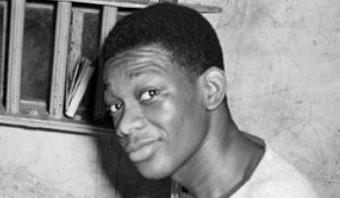
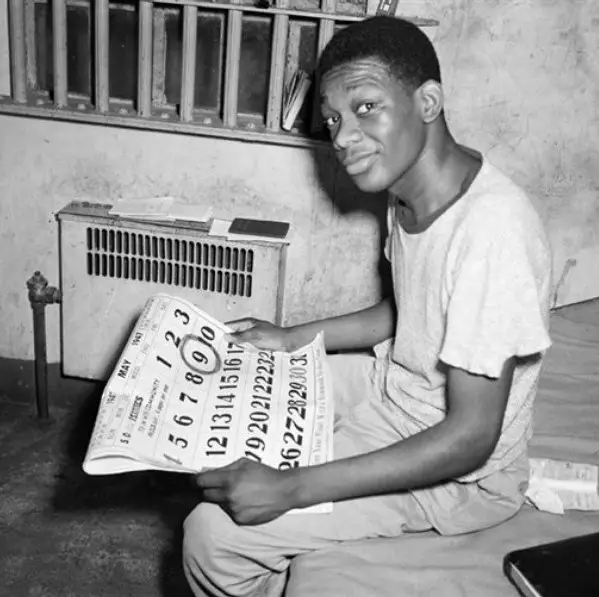
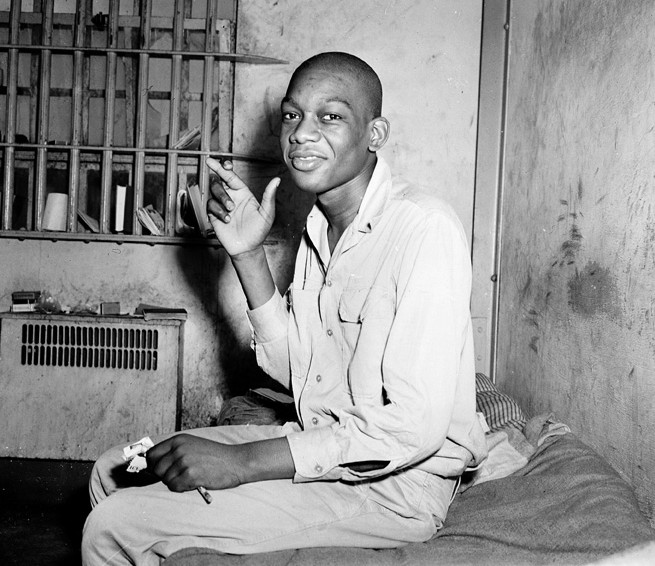
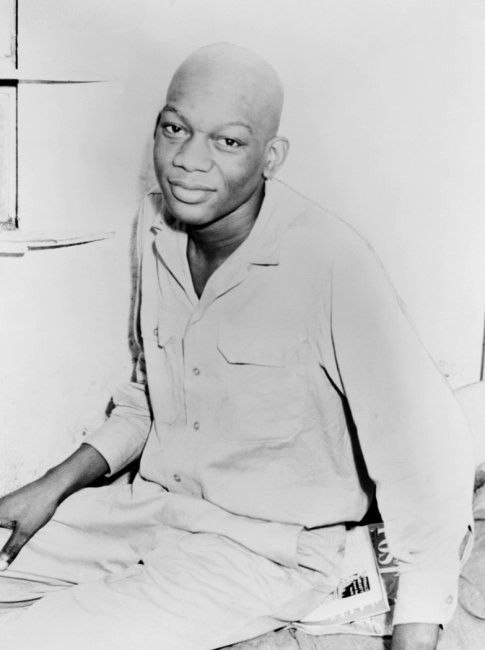
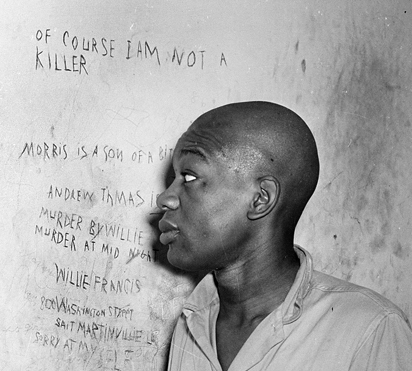
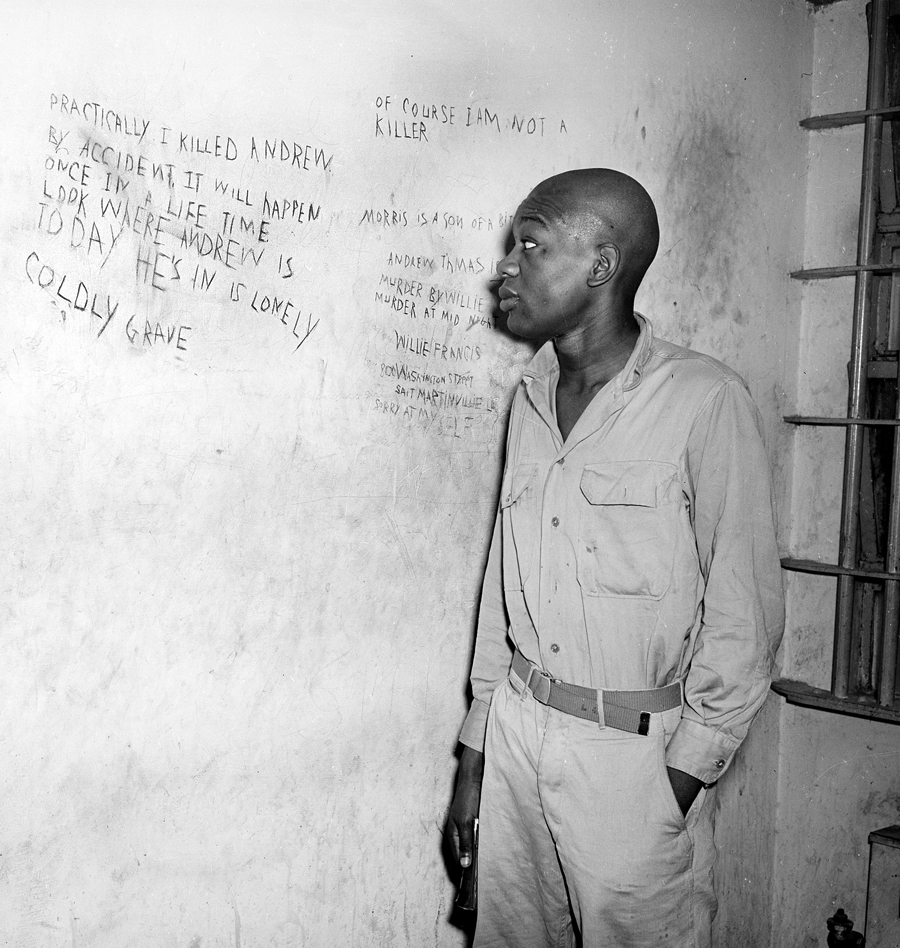
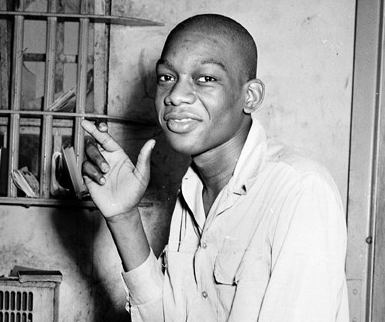
| Full Legal Name | Willie Francis |
| Media & Legal Moniker | The Boy Who Survived the Electric Chair |
| Nationality | United States |
| Date of Birth | January 12, 1929, St. Martinville, Louisiana |
| First Execution Date (Failed) | May 3, 1946 (aged 17) |
| Second Execution Date (Fatal) | May 9, 1947 (aged 18) |
| Execution Facility | St. Martin Parish Gaol, St. Martinville, Louisiana |
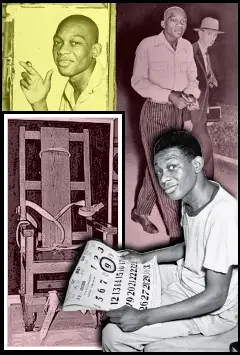
| Execution Method | Louisiana traveling electric chair (Gruesome Gertie) |
| Homicide Victim | Andrew Thomas (53, prominent St. Martinville cajun pharmacist) |
| Date of Crime | October 1944 |
| Initial Capital Verdict | Delivered by an all-white male jury after 15 minutes of deliberation in September 1945 |
| Landmark Constitutional Precedent | US Supreme Court landmark decision Louisiana ex rel. Francis v. Resweber, 329 U.S. 459 (1947), holding 5–4 that re-executing a prisoner after a mechanical equipment failure did not violate the Eighth Amendment's prohibition on cruel and unusual punishment |
The Andrew Thomas Homicide (1944)
On October 8, 1944, Andrew Thomas, a well-known 53-year-old pharmacist in St. Martinville, Louisiana, was shot to death outside his residence. Despite regional dragnet efforts, the investigation went cold for nearly ten months.
In August 1945, Texas police in Port Arthur arrested sixteen-year-old illiterate African-American youth Willie Francis on suspicion of narcotics loitering. A search revealed he was carrying Andrew Thomas's personal leather wallet.
Subjected to interrogation without legal representation, guardians, or observers, Francis signed two contradictory confession statements admitting the shooting. However, ballistic discrepancies were never resolved: Francis carried a .38 caliber revolver at arrest, whereas Thomas had been slain with .32 caliber bullets.
Segregated Jim Crow Trial
In September 1945, during the height of the Jim Crow era in Louisiana, Francis stood trial.
The court-appointed public defense attorneys called zero witnesses, offered no defense arguments, and failed to cross-examine prosecution witnesses. After fifteen minutes of closed deliberations, an all-white jury found Francis guilty of first-degree murder without recommendation for mercy, and the trial court sentenced him to death by electrocution.
The Botched Execution of May 3, 1946
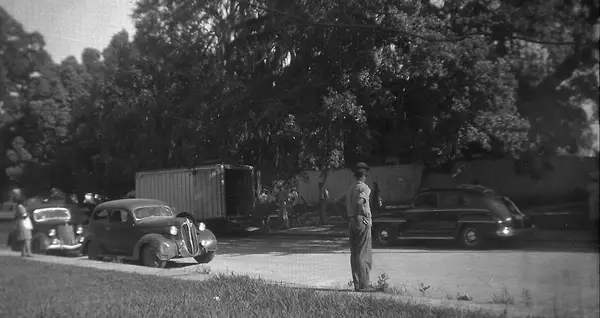
At that time, Louisiana operated a portable electric chair nicknamed Gruesome Gertie, hauled by transport truck from parish to parish.
On May 3, 1946, Louisiana's official executioner and a paroled convict assistant (both intoxicated according to multiple witnesses) improperly connected the electrical wiring at the St. Martin Parish Jail.
When officials threw the master switch sending over 2,000 volts through the helmet and electrodes, the current failed to achieve ventricular fibrillation or brain death due to an ungrounded transformer circuit. Francis's body strained violently, and he cried out from behind the leather death shroud:
"Take it off! Take it off! Let me breathe! God, it's not killing me!"
St. Martin Parish Sheriff E.L. Resweber ordered the generator stopped and suspended the execution when it was evident Francis remained fully conscious and articulate.
Constitutional Crisis: Francis v. Resweber
Following the botched execution, prominent Louisiana attorney Bertrand DeBlanc took up Francis's defense pro bono.
DeBlanc petitioned the Supreme Court of the United States, advancing two core constitutional arguments:
- Strapping a human being into the death apparatus a second time after surviving execution constituted cruel and unusual punishment under the Eighth Amendment.
- Subjecting the prisoner to repeated psychological and physical trauma violated the Due Process and Double Jeopardy principles of the Fourteenth Amendment.
In the historic case Louisiana ex rel. Francis v. Resweber (1947), the Supreme Court ruled 5 to 4 against Francis. Delivering the majority opinion, Justice Stanley Reed determined that the botched electrocution was an unintended mechanical defect rather than calculated state cruelty, declaring that a technical failure did not erase the lawful death warrant.
Final Execution on May 9, 1947
Following clemency denials by Governor Jimmie Davis, Francis was escorted back to Gruesome Gertie on May 9, 1947.
With the electrical machinery properly calibrated, executioners applied the lethal current at 12:05 PM. Willie Francis was pronounced dead at 12:10 PM at age eighteen, concluding one of the most agonizing legal and forensic chapters in United States capital punishment history.