




Forensic & Criminological Matrix
| Parameter | Forensic Detail |
|---|---|
| Forensic Heading / Aliases | N/A |
| Legal Identity | Michael Everett Woodmansee |
| Confirmed Victims | 1 |
| Attributed / Indicted Victims | 1 |
| Active Timeline | 1975-1982 |
| Jurisdiction / Area of Operations | South Kingstown, Rhode Island, USA |
| Criminological Classification | Child murderer / Alleged cannibal |
| Forensic Modus Operandi | Luring, stabbing, dismemberment, and preservation of skeletal remains |
| Weapon / Mechanism of Death | Knife / Strangulation (attempted) |
| Motive / Behavioral Dynamics | Sadism, control, and fetishization of human remains |
| Judicial Outcome | 40-year sentence for second-degree murder (1983); released on parole (2011) |
1. Background and Profile
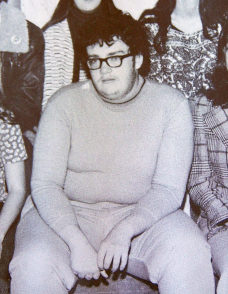
Michael Everett Woodmansee was born on July 16, 1958. In 1975, he lived on Schaeffer Street in the village of Peacedale, South Kingstown, Rhode Island, with his father, Franklin Woodmansee, a police reservist. Described as a withdrawn, solitary, and physically large teenager, he was a junior at South Kingstown High School. Later psychiatric evaluations indicated that he had harbored violent fantasies about killing since his early teens.
2. Crime Spree
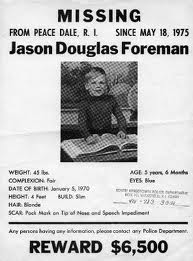
On May 18, 1975, Woodmansee lured 5-year-old Jason Foreman into his home. After fatally stabbing the child, he hid the body in a trunk. Evidence later revealed that Woodmansee dismembered the corpse, boiled the parts to remove soft tissue, and kept the skull and other bones as trophies on his dresser. He detailed these acts in a personal journal, which was later sealed by court order due to its graphic content.
3. Investigation and Arrest
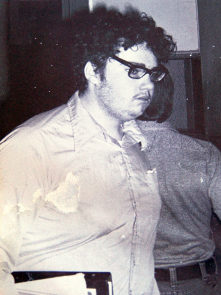
Jason Foreman's disappearance remained a cold case for eight years. The investigation broke in April 1982, when Woodmansee was apprehended for the attempted strangulation of a 14-year-old newspaper delivery boy, Dale Sherman. During the subsequent interrogation, police steered the conversation toward the Foreman case, leading to Woodmansee's confession.
4. Legal Proceedings and Outcome
A search of Woodmansee's room uncovered the victim's shellacked bones and the incriminating journal. In 1983, Woodmansee pleaded guilty to second-degree murder as part of a plea bargain intended to spare the victim's family from the gruesome details of the crime. He was sentenced to 40 years in prison.
5. Psychiatric Assessment and Release
After serving 28 years of his 40-year sentence, Woodmansee was released on September 11, 2011, due to 'good time' credits. His release sparked significant public outrage in Rhode Island, with the victim's father publicly expressing his intent to seek revenge. The case remains a significant study in the handling of high-risk juvenile offenders and the controversy surrounding early release programs.