




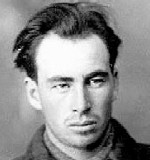
Forensic & Criminological Matrix
| Parameter | Forensic Detail |
|---|---|
| Forensic Heading / Aliases | N/A |
| Legal Identity | William Williams |
| Confirmed Victims | 2 |
| Attributed / Indicted Victims | 2 |
| Active Timeline | April 13, 1905 |
| Jurisdiction / Area of Operations | Saint Paul, Minnesota, USA |
| Criminological Classification | Passionate Homicide |
| Forensic Modus Operandi | Firearm execution in residence |
| Weapon / Mechanism of Death | Handgun |
| Motive / Behavioral Dynamics | Romantic conflict and family rejection |
| Judicial Outcome | Death sentence by hanging (Executed) |
1. Background and Profile
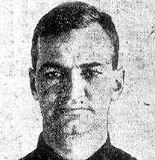
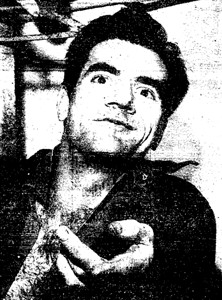
William Williams (1877-1906) was a Cornish immigrant working as a miner and steamfitter in Saint Paul, Minnesota. In 1904, while hospitalized for diphtheria, he befriended Johnny Keller, a 16-year-old teenager recovering from the same illness. They developed a close homosexual relationship, living together and traveling to Winnipeg, Canada. The relationship was strongly opposed by Keller's father, who eventually forbade his son from seeing Williams.
2. Crime Spree
Following the forced separation, Williams sent numerous letters to Keller, alternating between expressions of love and threats. On April 13, 1905, Williams entered the Keller family home in Saint Paul. Armed with a handgun, he shot Keller's mother, who died a week later, and then shot Johnny Keller in the back of the head while he lay in bed.
3. Investigation and Arrest
Williams was apprehended at the crime scene with the smoking gun in his hand. The investigation was straightforward due to the flagrant nature of the crime. Despite the defense's plea of "emotional insanity," the prosecution successfully argued that the letters provided clear evidence of premeditation.
4. Legal Proceedings and Outcome
On May 19, 1905, Williams was convicted of premeditated murder. The Minnesota Supreme Court affirmed the conviction on December 8, 1905, despite a dissenting opinion from one judge who suggested the crime was a crime of passion.
5. Forensic Execution and Aftermath
Williams' execution on February 13, 1906, at the Ramsey County Jail, was a notorious failure. The rope was too long, causing Williams to hit the floor instead of being suspended. Deputies had to hold him up by the rope for 14 minutes until he died of strangulation. This botched execution became a primary catalyst for the abolition of the death penalty in Minnesota in 1911.